H.R. 2012: Iran Sanctions Relief Review Act of 2025
The Iran Sanctions Relief Review Act of 2025 aims to establish a process for Congress to evaluate any move made by the President to lift or waive sanctions related to Iran. Here’s a breakdown of the key components of the bill:
1. Congressional Submission Requirement
Before the President can take any significant action concerning sanctions against Iran, he must submit a report to Congress. This report had to include:
- The proposed action and the reasons for it
- Whether the action is intended to change U.S. foreign policy towards Iran significantly or not
2. Actions Covered by the Bill
The types of actions that would require a report include:
- Ending the application of any sanctions imposed by the President on individuals or entities
- Waiving sanctions for specific individuals or entities
- Licensing actions that would significantly alter U.S. foreign policy towards Iran
3. Reporting Framework
For actions that are expected to significantly alter U.S. foreign policy concerning Iran, the report must also contain:
- A description of how U.S. foreign policy will change
- The anticipated impact of this action on national security interests
- The reasons sanctions were initially imposed
4. Review Period
Congress must conduct its review of the President's report within a specified time frame:
- 30 calendar days for standard reports
- 60 calendar days if the report is submitted between July 10 and September 7
During this review period, Congress may hold hearings and gather information regarding the proposed action. The President cannot proceed with the action unless both Houses of Congress approve it through a joint resolution.
5. Joint Resolutions of Approval or Disapproval
Congress can introduce a joint resolution to either approve or disapprove the President's proposed action. The rules for these resolutions include:
- Joint resolutions can be introduced by the leaders of either house of Congress.
- If there’s no action from the committee within 10 days of a resolution being introduced, it will be moved forward for consideration.
If the joint resolution disapproving the President's proposed action passes in both houses, the President is prohibited from taking that action.
6. Confidentiality Provisions
Any proprietary information related to an individual involved in the proposed action can only be included in the report if Congress agrees to keep it confidential, unless the individual consents to its disclosure.
7. Treatment of Bills
The bill outlines specific procedures for how joint resolutions are to be treated in both Houses of Congress, ensuring that there is a pathway for consideration and that appropriations and financial measures are handled in accordance with existing rules.
Relevant Companies
- CVX (Chevron Corporation): Changes in sanctions could impact the company's ability to operate in Iran, potentially affecting their oil and gas operations and investments.
- XOM (Exxon Mobil Corporation): Similar to Chevron, any easing of sanctions could offer opportunities or challenges in terms of business dealings with Iran.
This is an AI-generated summary of the bill text. There may be mistakes.
Sponsors
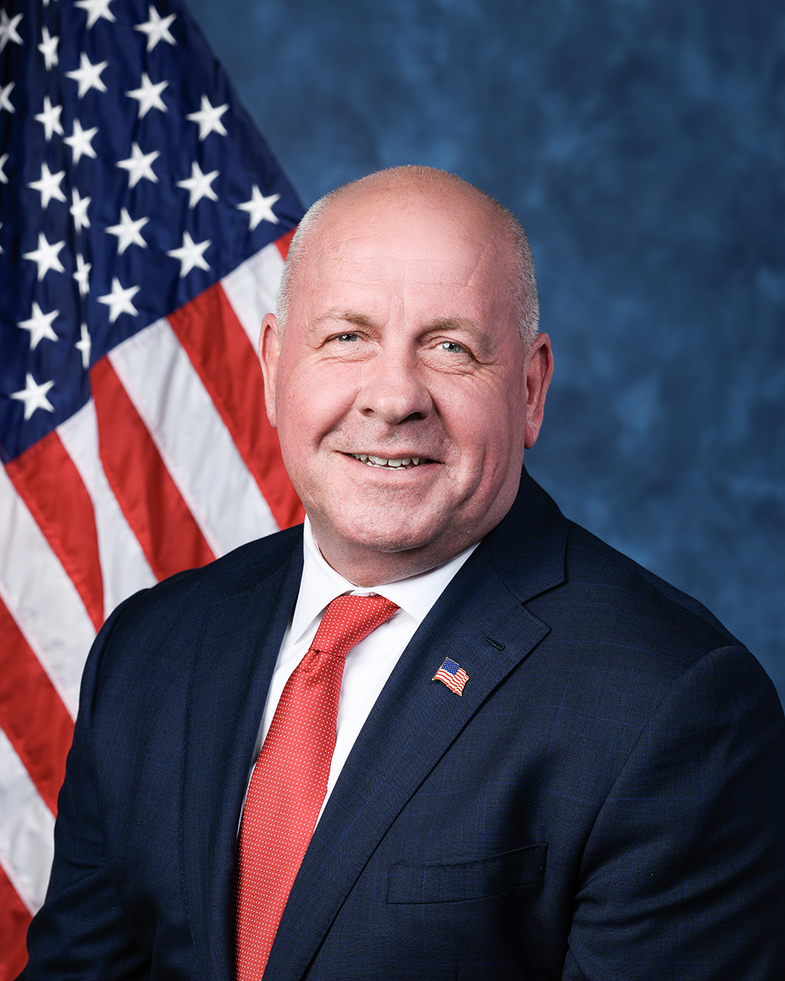
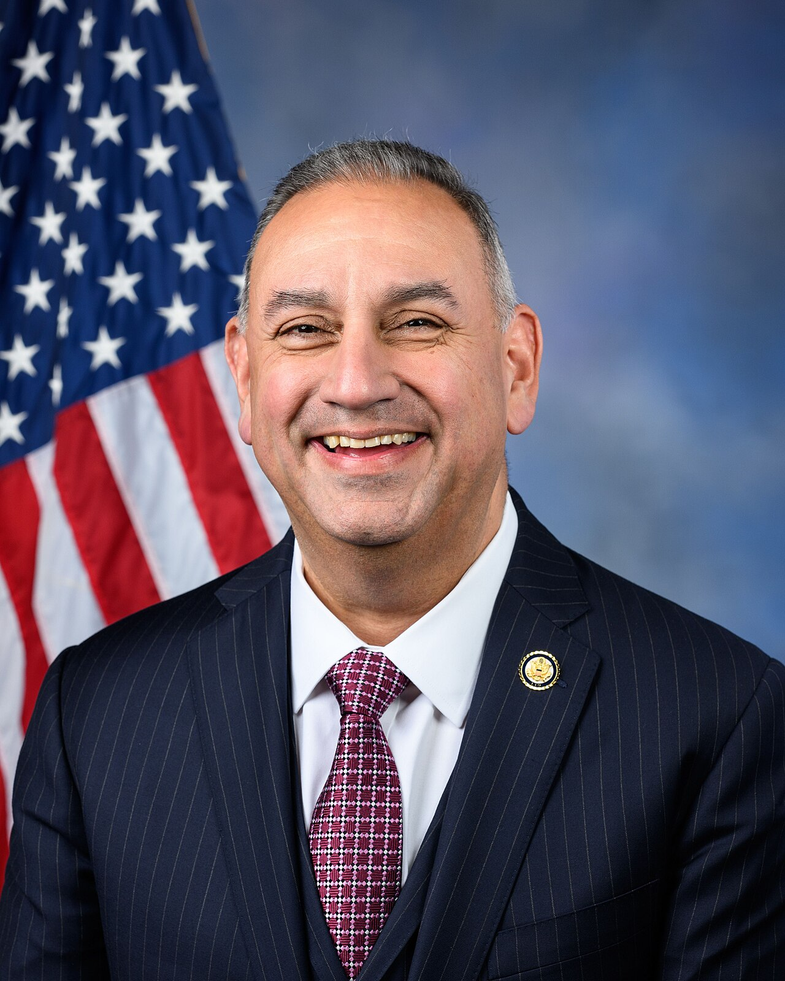
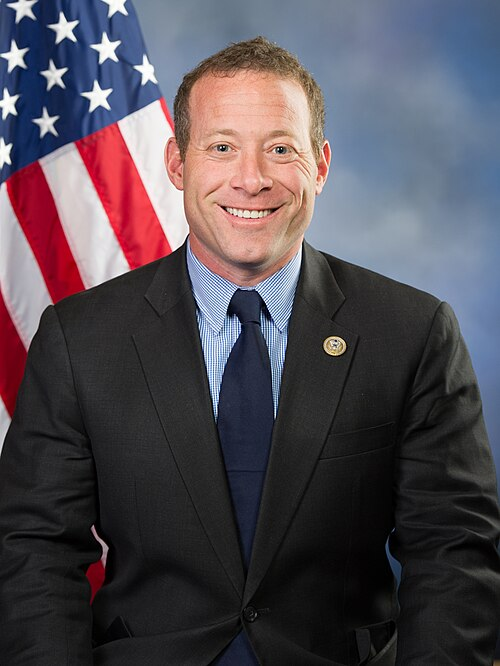
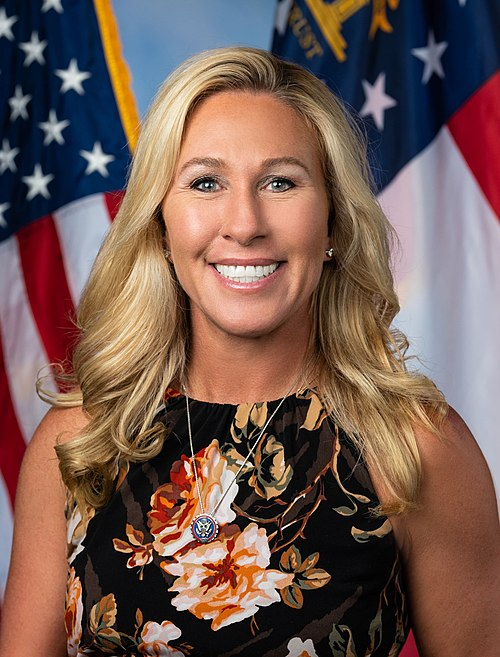
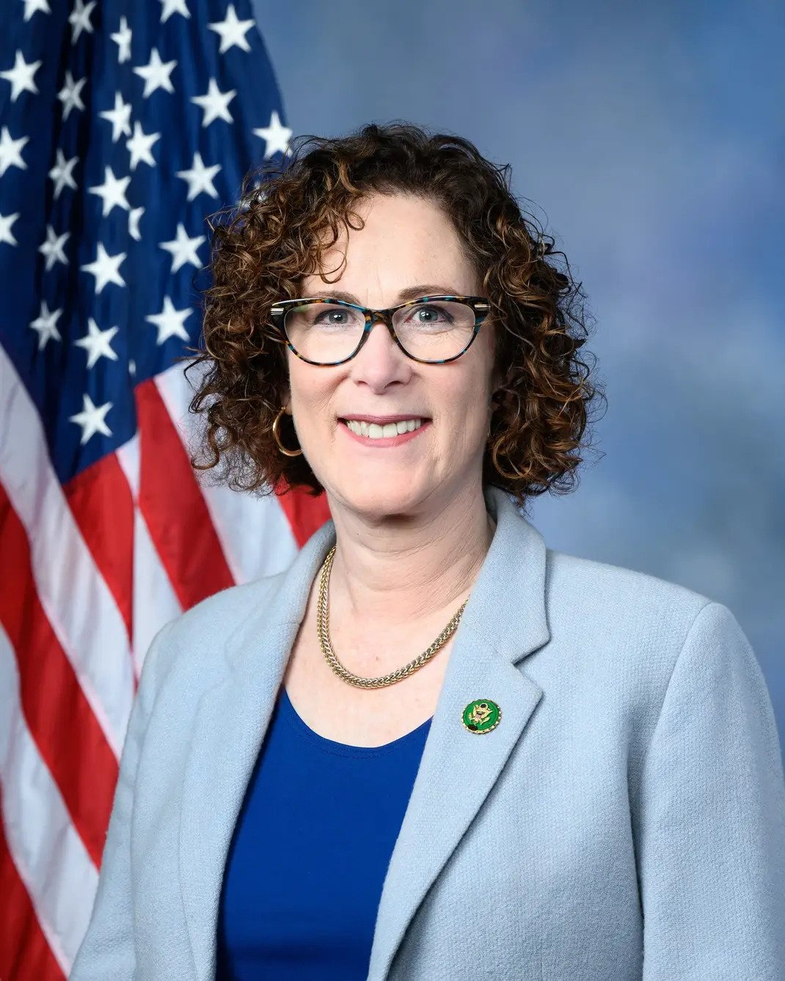
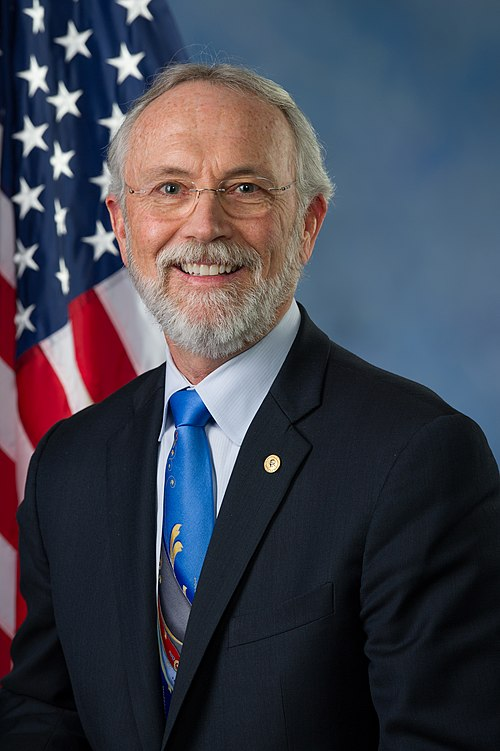
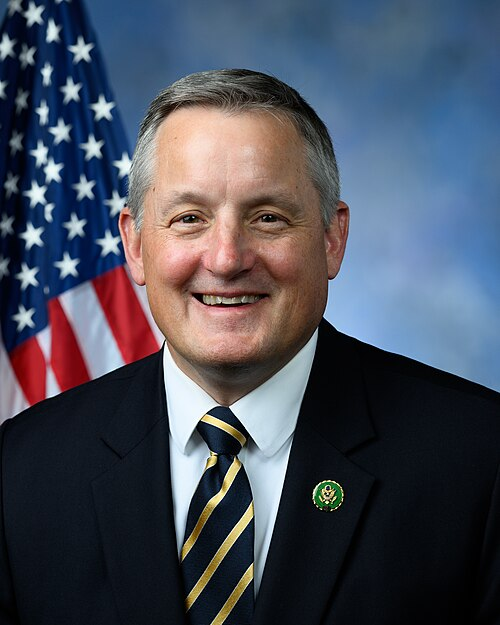
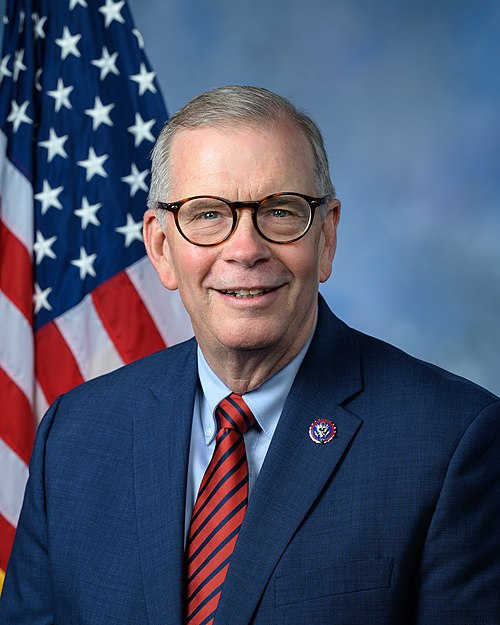
9 bill sponsors
-
TrackKeith Self
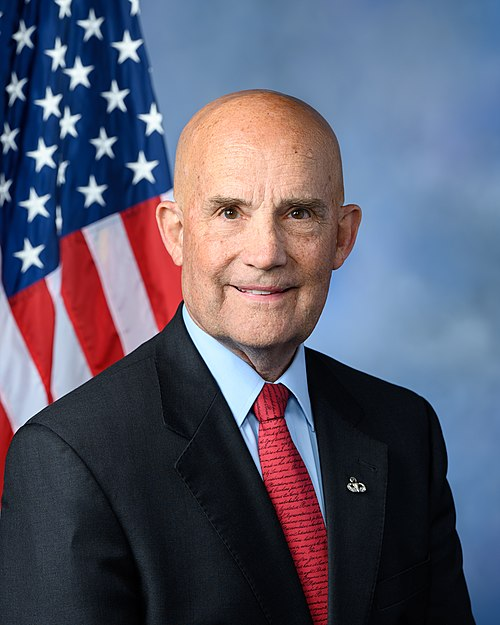
Sponsor
-
TrackMichael Baumgartner

Co-Sponsor
-
TrackThomas H. Kean, Jr.
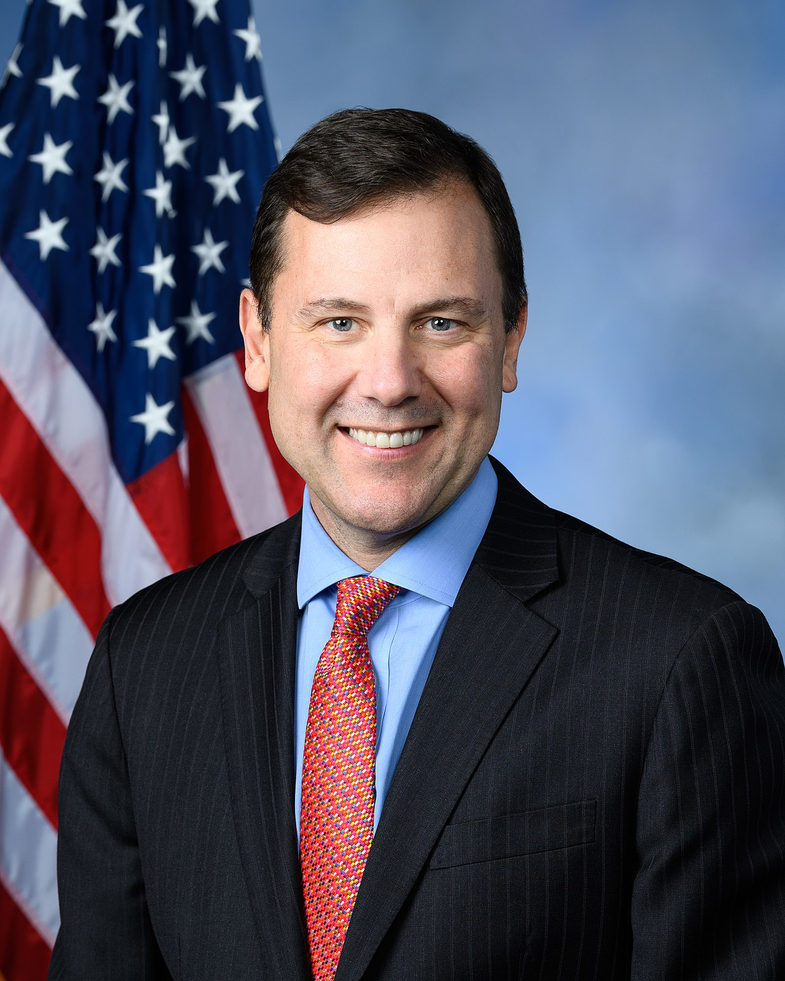
Co-Sponsor
-
TrackMichael Lawler
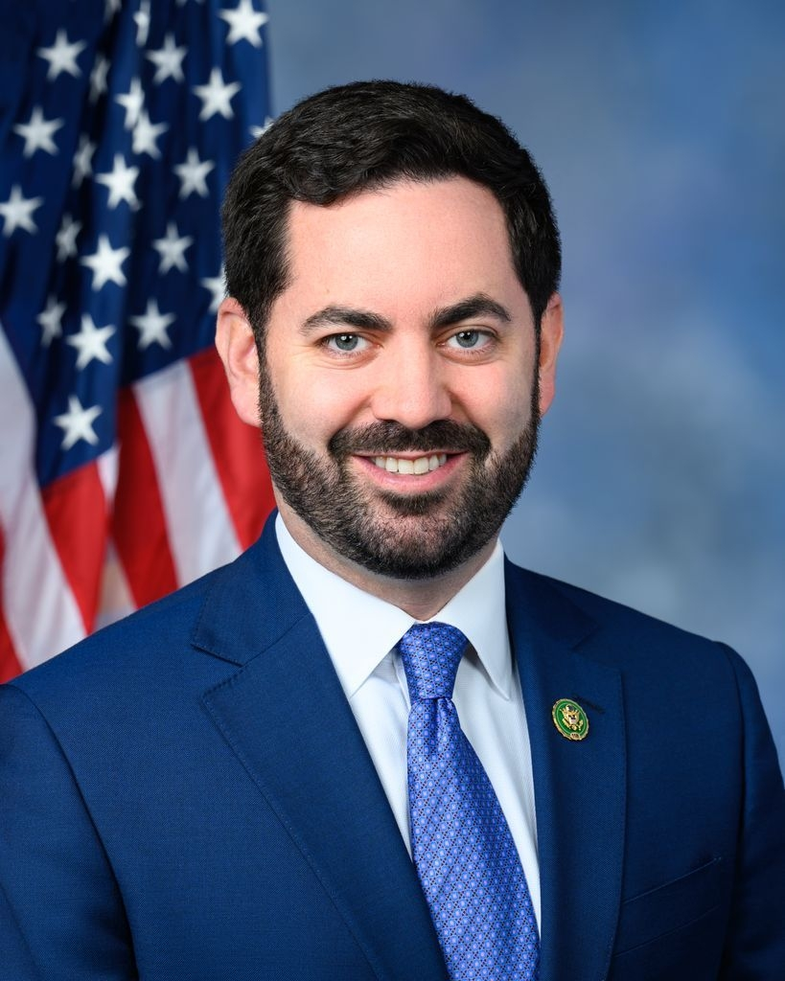
Co-Sponsor
-
TrackMichael T. McCaul
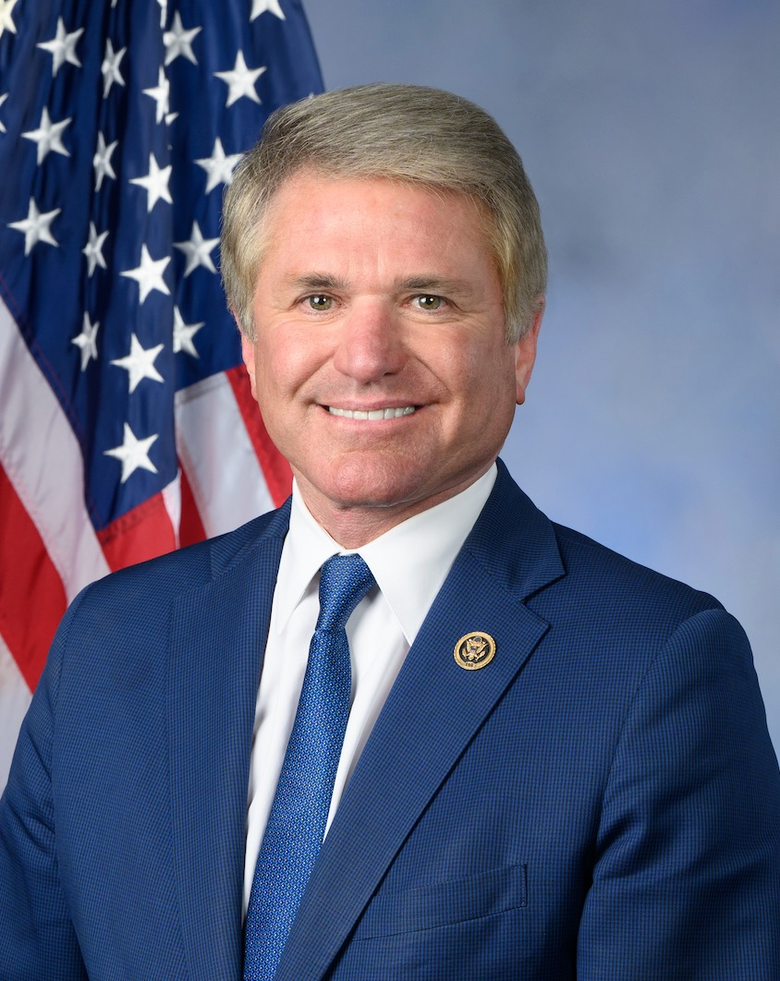
Co-Sponsor
-
TrackRichard McCormick

Co-Sponsor
-
TrackJared Moskowitz

Co-Sponsor
-
TrackMaria Elvira Salazar

Co-Sponsor
-
TrackClaudia Tenney
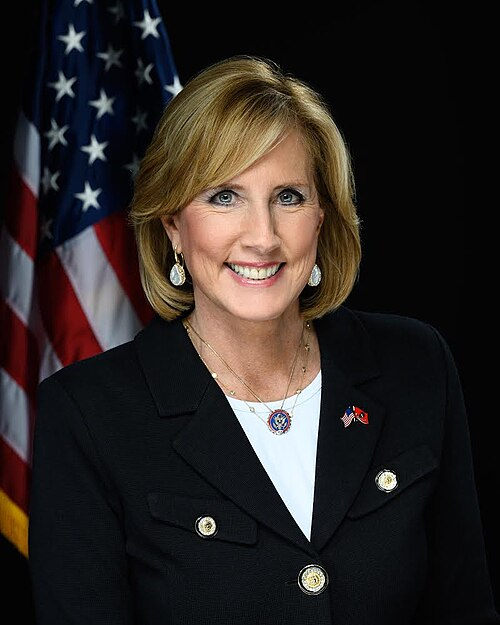
Co-Sponsor
Actions
2 actions
| Date | Action |
|---|---|
| Mar. 10, 2025 | Introduced in House |
| Mar. 10, 2025 | Referred to the Committee on Foreign Affairs, and in addition to the Committees on Financial Services, the Judiciary, Ways and Means, Oversight and Government Reform, and Rules, for a period to be subsequently determined by the Speaker, in each case for consideration of such provisions as fall within the jurisdiction of the committee concerned. |
Corporate Lobbying
0 companies lobbying
None found.
* Note that there can be significant delays in lobbying disclosures, and our data may be incomplete.