H.R. 1938: Department of Defense PFAS Discharge Prevention Act
This bill, titled the Department of Defense PFAS Discharge Prevention Act, aims to address the regulation of certain harmful substances known as perfluoroalkyl and polyfluoroalkyl substances (commonly referred to as PFAS) at Department of Defense (DoD) facilities.
Key Provisions
- Request for Permit Modifications: Within one year of the bill's enactment, the Secretary of Defense is required to request modifications to stormwater discharge permits for DoD facilities. This includes permits under the Federal Water Pollution Control Act.
- Monitoring Requirements: The modifications will mandate that monitoring for PFAS discharges must occur no less frequently than quarterly. This means that DoD facilities will need to regularly check how much of these substances is being released into stormwater.
- Best Management Practices: The bill also requires the implementation of best management practices or control technologies to reduce PFAS discharges. These practices must align with the regulations outlined in the Federal Water Pollution Control Act.
- Funding for Testing: The legislation sets aside funding to support the monitoring and remediation of PFAS. Specifically, at least 1% of the funds authorized for PFAS remediation must be dedicated annually to testing for PFAS in stormwater runoff at DoD facilities.
Impact on Environmental Management
The bill emphasizes the need for stricter oversight and management of PFAS discharges, which have been linked to environmental and health concerns. By requiring regular monitoring and establishing funding for testing, it aims to ensure that DoD facilities are actively taking steps to manage these substances responsibly.
Relevant Companies
- DHR (Danaher Corporation) - Danaher is involved in providing various environmental testing solutions, including products for water quality analysis. The implementation of increased monitoring requirements could create demand for its testing technologies.
- WM (Waste Management, Inc.) - This company could be impacted as it manages waste and water treatment services. Stricter regulations on PFAS could affect operational procedures and compliance costs.
This is an AI-generated summary of the bill text. There may be mistakes.
Sponsors
19 bill sponsors
-
TrackJennifer L. McClellan
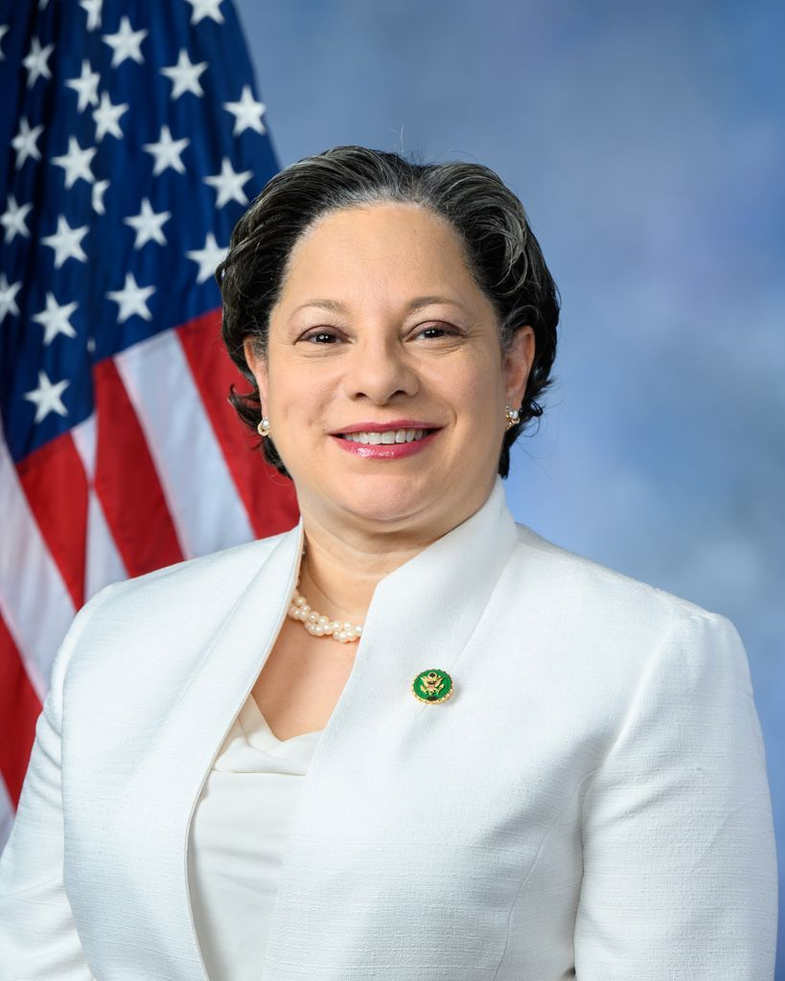
Sponsor
-
TrackJack Bergman

Co-Sponsor
-
TrackSteve Cohen

Co-Sponsor
-
TrackGerald E. Connolly

Co-Sponsor
-
TrackBrian K. Fitzpatrick
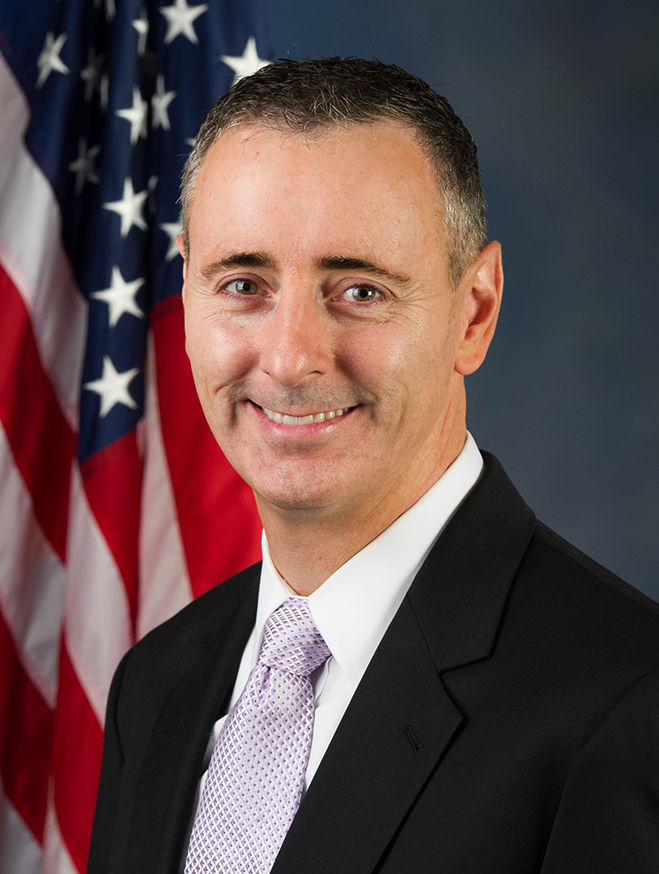
Co-Sponsor
-
TrackValerie P. Foushee

Co-Sponsor
-
TrackJared Huffman

Co-Sponsor
-
TrackJennifer Kiggans
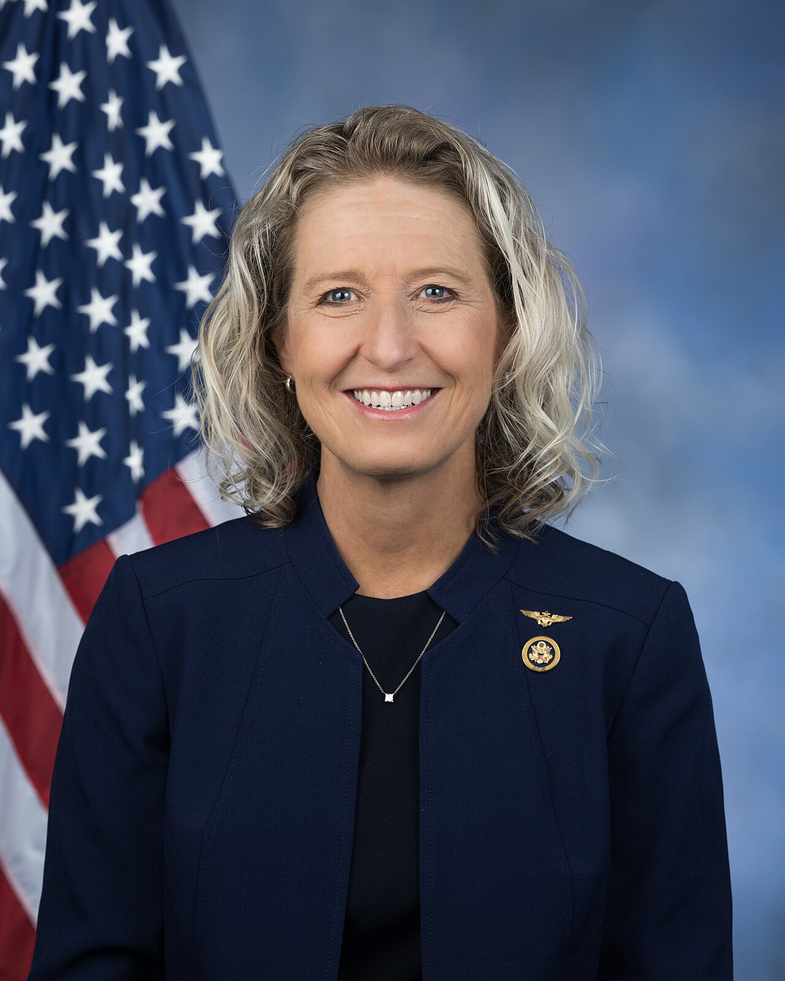
Co-Sponsor
-
TrackYoung Kim

Co-Sponsor
-
TrackNick LaLota
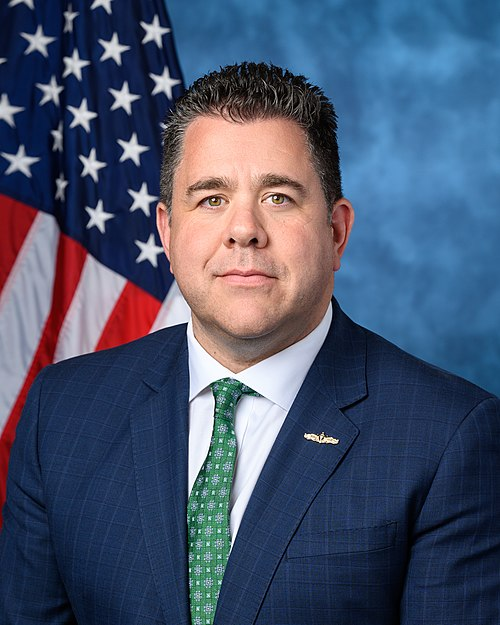
Co-Sponsor
-
TrackMichael Lawler
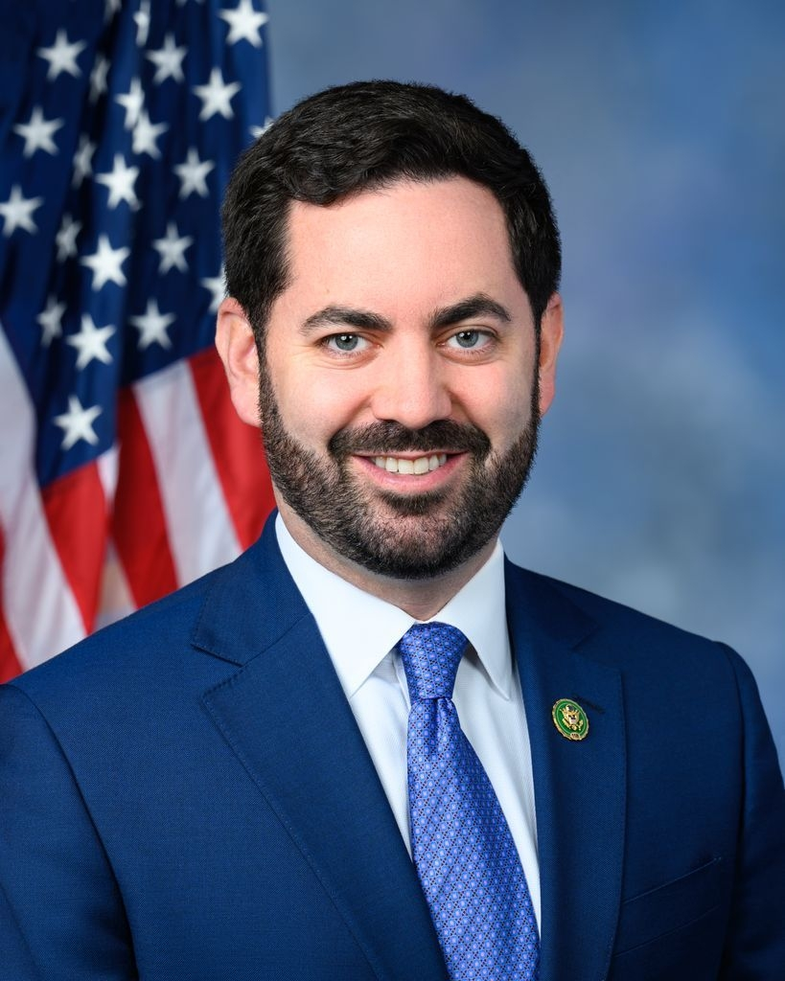
Co-Sponsor
-
TrackSarah McBride

Co-Sponsor
-
TrackChris Pappas
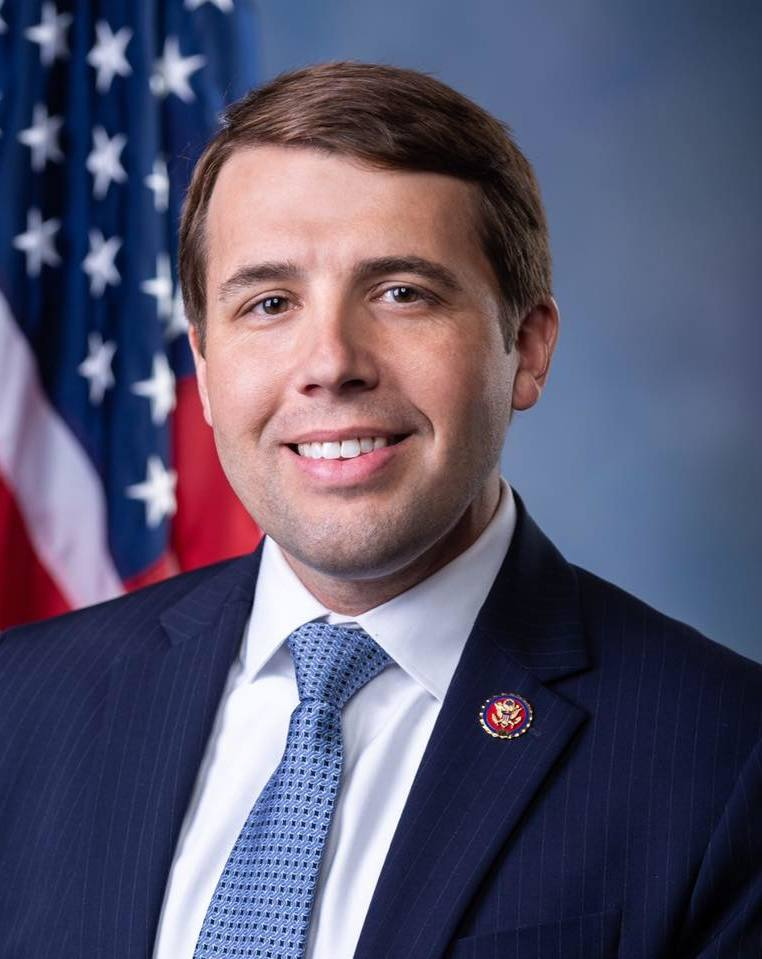
Co-Sponsor
-
TrackPatrick Ryan
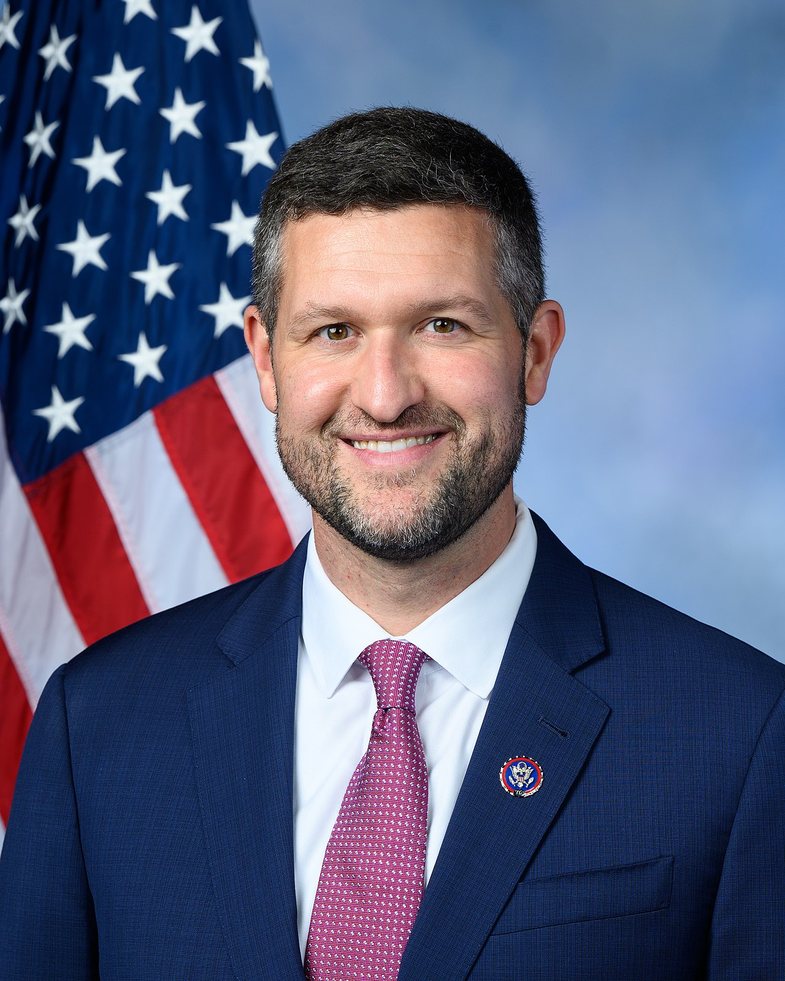
Co-Sponsor
-
TrackRobert C. "Bobby" Scott
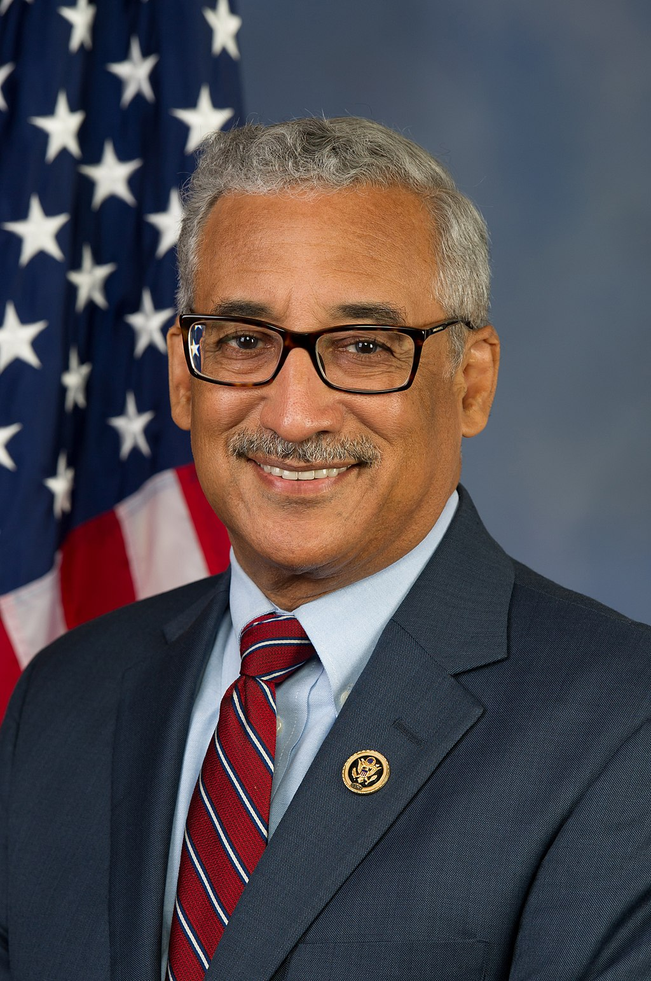
Co-Sponsor
-
TrackMikie Sherrill
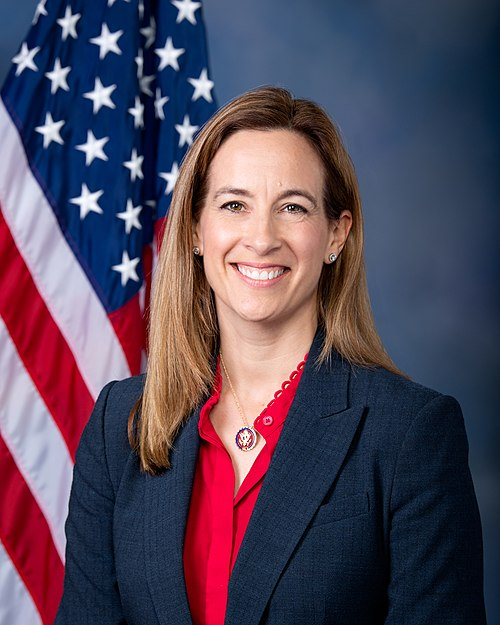
Co-Sponsor
-
TrackRashida Tlaib

Co-Sponsor
-
TrackDerrick Van Orden

Co-Sponsor
-
TrackJames R. Walkinshaw

Co-Sponsor
Actions
3 actions
| Date | Action |
|---|---|
| Mar. 06, 2025 | Introduced in House |
| Mar. 06, 2025 | Referred to the Committee on Armed Services, and in addition to the Committee on Transportation and Infrastructure, for a period to be subsequently determined by the Speaker, in each case for consideration of such provisions as fall within the jurisdiction of the committee concerned. |
| Mar. 06, 2025 | Referred to the Subcommittee on Water Resources and Environment. |
Corporate Lobbying
0 companies lobbying
None found.
* Note that there can be significant delays in lobbying disclosures, and our data may be incomplete.