H.R. 1880: Broadcast Freedom and Independence Act of 2025
This bill, titled the Broadcast Freedom and Independence Act of 2025, aims to amend the Communications Act of 1934 to ensure that the Federal Communications Commission (FCC) cannot take actions against broadcast licensees based on their viewpoints. Here is a breakdown of its main components:
Purpose
The primary objective of this bill is to protect the independence of the FCC, allowing it to operate without influence from political agendas. It seeks to reinforce the FCC’s role as an independent agency, free from political pressure, in carrying out its mission related to communication regulation.
Key Findings
- The FCC was created to regulate communication in a way that is fair and accessible to all, without discrimination based on race, religion, or other personal characteristics.
- Commissioners of the FCC are confirmed by Congress and are meant to serve terms that protect their independence from the President's immediate influence.
- The preservation of FCC's independence is critical for it to fulfill its oversight responsibilities without political intimidation.
- Investigations or threats from the FCC should not be used to suppress viewpoints or force broadcasters to align with specific political viewpoints.
Viewpoint Protection
The bill introduces specific provisions regarding the protection of viewpoints:
- Prohibition against retaliation: The FCC is prohibited from revoking any broadcasting license or taking any action against broadcasters based on their expressed viewpoints, either directly or indirectly.
- Conditions on transactions: The FCC cannot impose conditions related to viewpoints on broadcasting entities when they seek approvals or licenses.
- Authority limits: The bill clarifies that while the FCC must protect viewpoints, it still retains authority to act on legal violations, including specific laws concerning obscenity, fraud, or incitement to violence.
Overall Intent
The overall intent of the legislation is to safeguard free speech in broadcasting while ensuring that no broadcaster is penalized for their views or the content they produce. The bill seeks to create a clear boundary that separates broadcasting from political influence, promoting a diverse and independent media landscape.
Relevant Companies
- CMCSA (Comcast Corporation): As a major player in broadcasting and cable services, Comcast may be impacted by changes in regulations surrounding content and viewpoint protections.
- FOX (Fox Corporation): Fox, as a significant broadcaster, may experience implications related to content regulation and how it aligns or does not align with the FCC's standards.
- VIAC (ViacomCBS Inc.): This company, involved in television broadcasts, may need to adjust its practices in response to the protections or conditions outlined by the bill.
This is an AI-generated summary of the bill text. There may be mistakes.
Sponsors
14 bill sponsors
-
TrackDoris O. Matsui

Sponsor
-
TrackYassamin Ansari
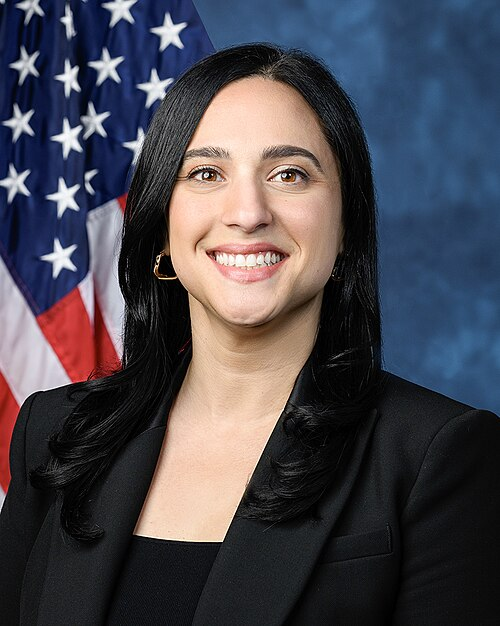
Co-Sponsor
-
TrackNanette Diaz Barragán
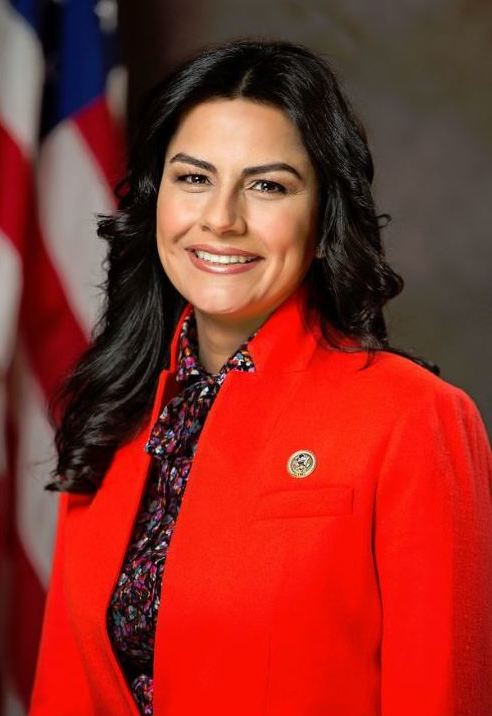
Co-Sponsor
-
TrackJudy Chu
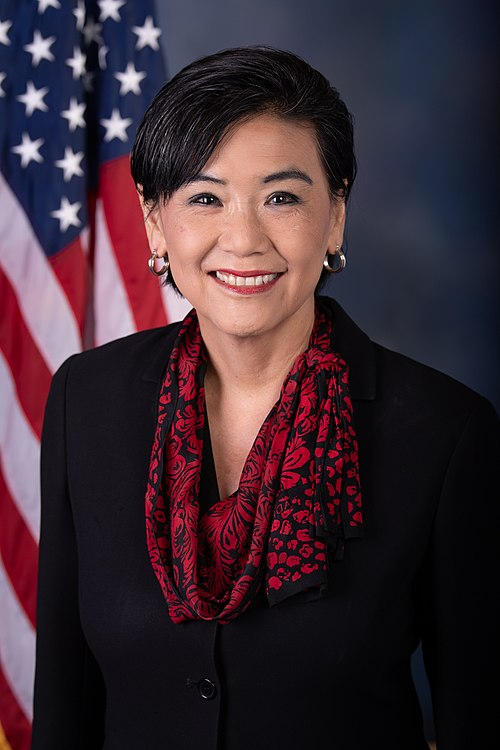
Co-Sponsor
-
TrackDaniel S. Goldman
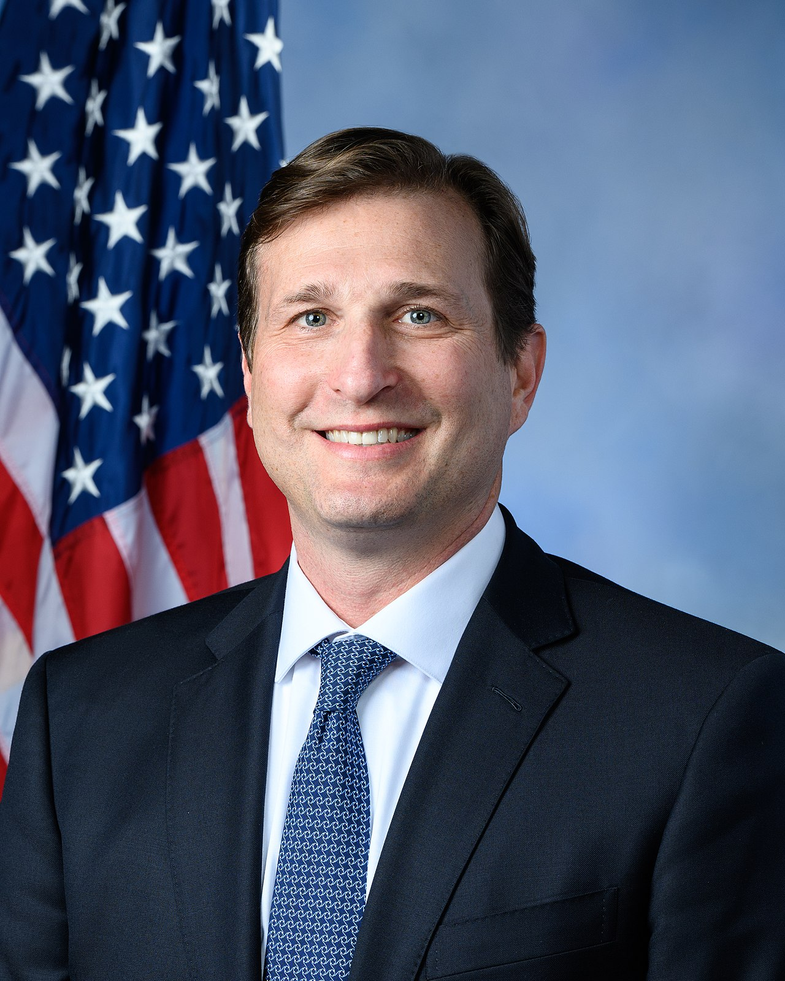
Co-Sponsor
-
TrackApril McClain Delaney
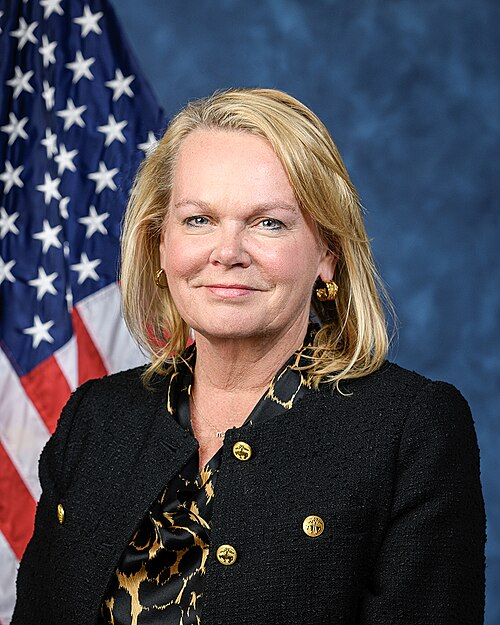
Co-Sponsor
-
TrackJennifer L. McClellan
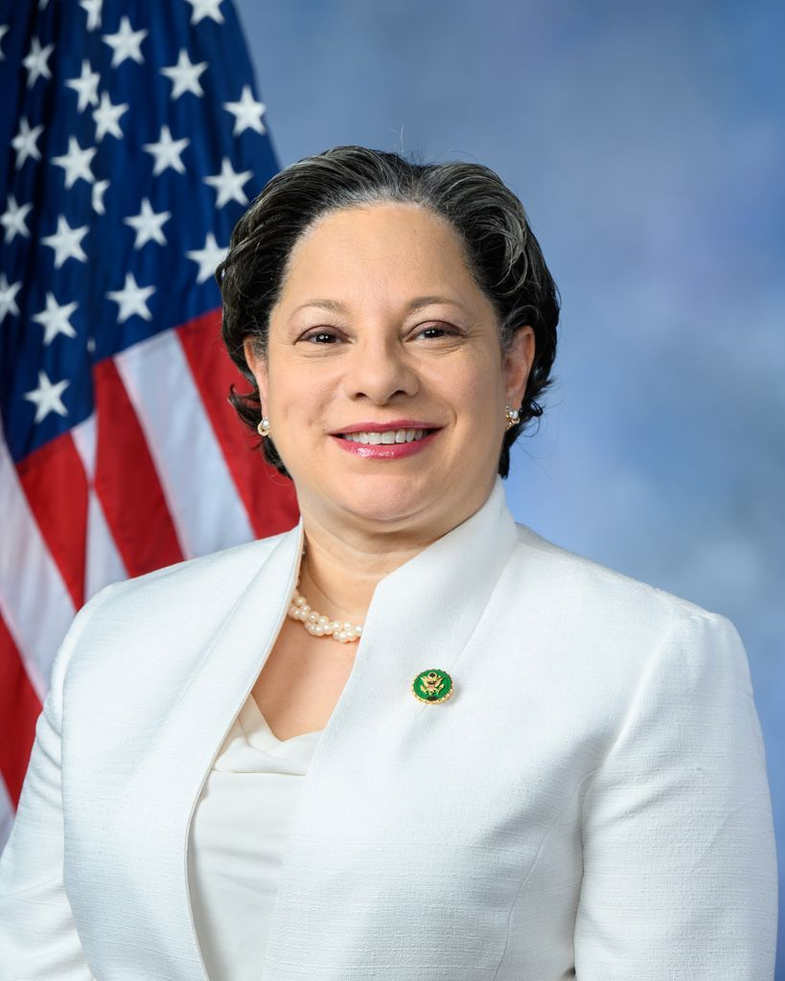
Co-Sponsor
-
TrackRobert Menendez
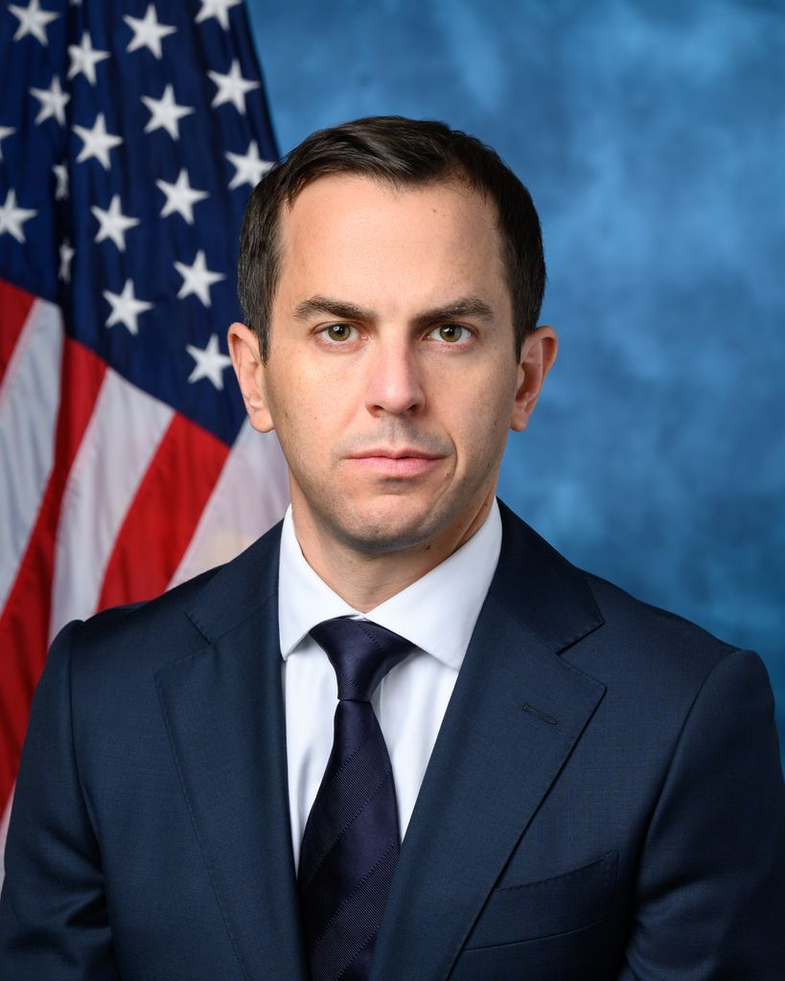
Co-Sponsor
-
TrackEleanor Holmes Norton

Co-Sponsor
-
TrackAndrea Salinas
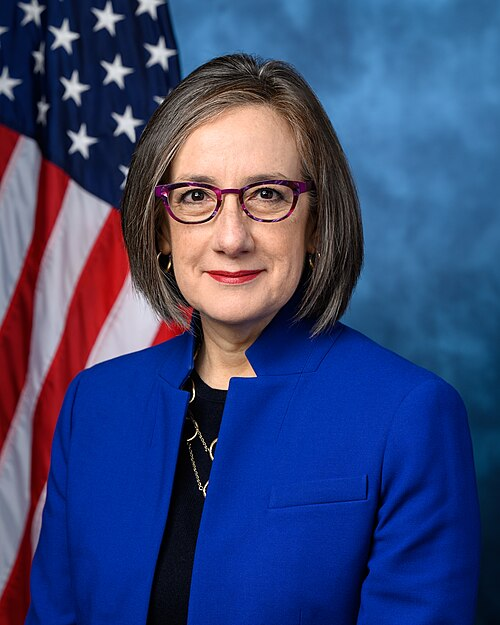
Co-Sponsor
-
TrackDarren Soto
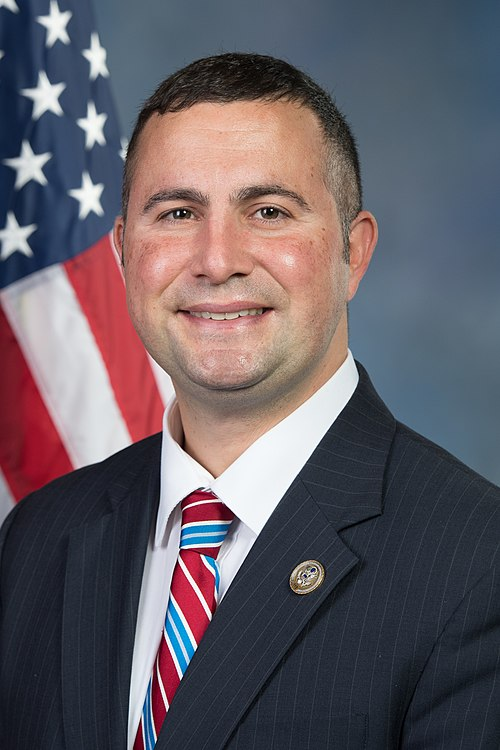
Co-Sponsor
-
TrackSuhas Subramanyam
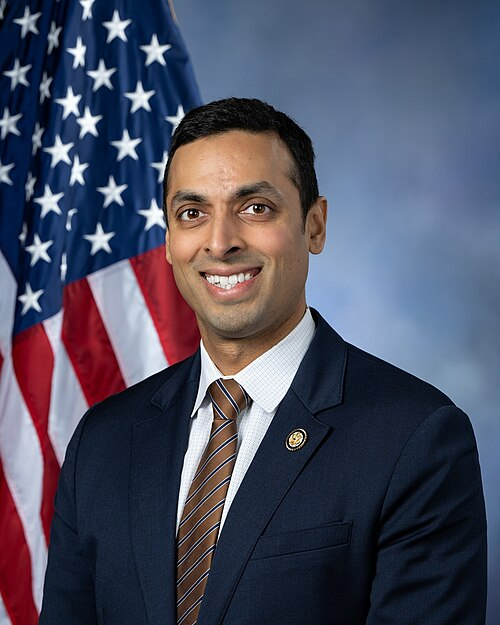
Co-Sponsor
-
TrackDina Titus
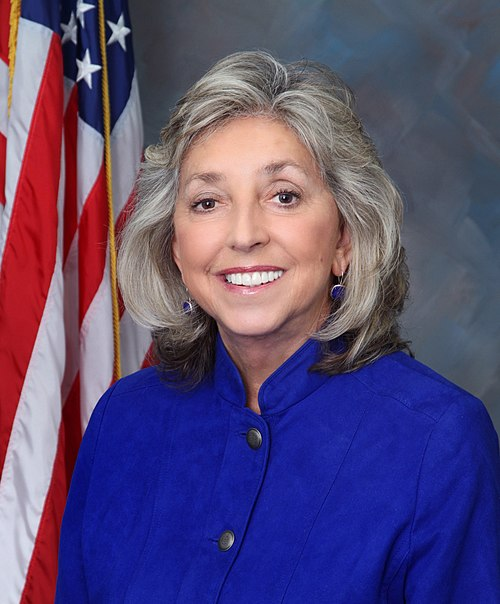
Co-Sponsor
-
TrackRashida Tlaib
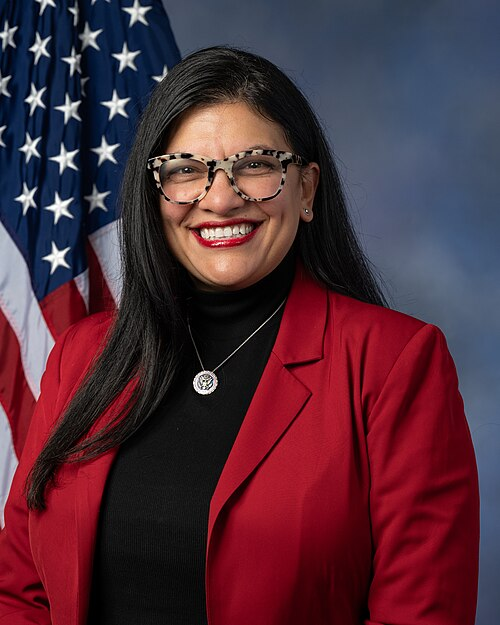
Co-Sponsor
Actions
2 actions
| Date | Action |
|---|---|
| Mar. 05, 2025 | Introduced in House |
| Mar. 05, 2025 | Referred to the House Committee on Energy and Commerce. |
Corporate Lobbying
0 companies lobbying
None found.
* Note that there can be significant delays in lobbying disclosures, and our data may be incomplete.