H.R. 168: Targeted Operations to Remove Catastrophic Hazards Act
The Targeted Operations to Remove Catastrophic Hazards Act, also known as the TORCH Act, is designed to enhance forest management practices aimed at reducing the risk of catastrophic wildfires and addressing hazardous trees. Here’s a breakdown of the main components of the bill:
Hazardous Fuel Reduction Activities
- Categorical Exclusion for Hazard Tree Activities: The Secretary of Agriculture will establish a faster approval process for urgent tree removal activities within the National Forest System. This process will allow for projects up to 3,000 acres without the usual environmental assessments.
- Timber Sales for Risk Reduction: The bill increases the dollar threshold for timber sales used to mitigate extreme risks from events like catastrophic wildfires, insect outbreaks, or severe weather from $10,000 to $50,000.
- Utilizing Livestock Grazing: The Secretary of Agriculture will develop strategies to use livestock grazing as a method for reducing wildfire risks, including making temporary grazing permits easier during emergencies.
- Amendments to Existing Laws: The bill modifies the Healthy Forest Restoration Act to extend deadlines and increase project size limits from 3,000 acres to 10,000 acres for wildfire resilience projects.
Good Neighbor Authority
- Modification of Revenue Treatment: Changes are made to ensure that funds obtained from timber sales under good neighbor agreements can be retained by state governments or Indian tribes for use in restoration services.
Electrical Utility Lines Management
- Vegetation Management: The bill allows for a 50-foot clearance around electric power lines for hazard tree removal without needing extensive reviews. This aims to prevent ignition sources for wildfires.
- Categorical Exclusions for Utility Lines: Certain forest management activities related to electric utility rights-of-way will be exempt from standard environmental assessments, aimed at expediting necessary maintenance and inspections.
- Permits and Agreements: Electric utility companies will be permitted to clear hazardous trees without separate timber sales agreements, although they must share any proceeds from sales with the Department of Agriculture.
Reform of Administrative Requirements
- Consultation Requirements: The bill reduces the need for further consultations under the Endangered Species Act when certain management plans are already in place and modified, reducing bureaucratic obstacles to urgent actions for wildfire risk reduction.
- Collaborative Restoration Projects: It broadens the scope for collaborative restoration projects, allowing for larger areas to be managed under a categorical exclusion.
The overall aim of the TORCH Act is to facilitate quicker responses to wildfire risks through streamlined processes and wider use of existing resources while enhancing collaboration between federal, state, and tribal authorities in managing forest lands.
Relevant Companies
- NVEI: This company may be affected due to its involvement in forestry management services, including tree removal and vegetation management.
- PLZL: This company focuses on land management and could see changes in their operational protocols as a result of this legislation.
This is an AI-generated summary of the bill text. There may be mistakes.
Sponsors
1 sponsor
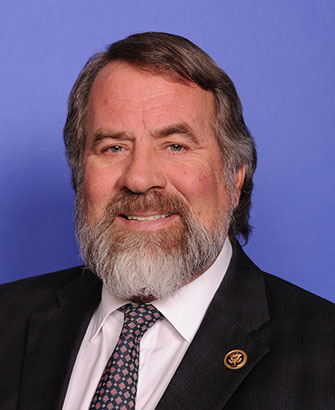
Actions
3 actions
| Date | Action |
|---|---|
| Apr. 04, 2025 | Referred to the Subcommittee on Forestry and Horticulture. |
| Jan. 03, 2025 | Introduced in House |
| Jan. 03, 2025 | Referred to the Committee on Agriculture, and in addition to the Committee on Natural Resources, for a period to be subsequently determined by the Speaker, in each case for consideration of such provisions as fall within the jurisdiction of the committee concerned. |
Corporate Lobbying
0 companies lobbying
None found.
* Note that there can be significant delays in lobbying disclosures, and our data may be incomplete.
Potentially Relevant Congressional Stock Trades
No relevant congressional stock trades found.