H.R. 1434: Strengthening Communities through Summer Employment Act
The Strengthening Communities through Summer Employment Act aims to enhance summer youth employment programs in the United States by providing significant funding to support these initiatives. The bill authorizes the allocation of funds over several fiscal years, increasing annually from $200 million in 2026 to $240 million in 2030, specifically designated for programs that offer subsidized jobs to youth. Here’s a breakdown of the key components of the bill:
Funding Authorization
The Secretary of Labor is authorized to use the following funds:
- $200 million for fiscal year 2026
- $210 million for fiscal year 2027
- $220 million for fiscal year 2028
- $230 million for fiscal year 2029
- $240 million for fiscal year 2030
Distribution of Funds
The funds will be distributed as follows:
- 45% for grants to expand summer employment programs
- 45% for innovative program activities
- 5% for evaluation activities to assess these programs
- 5% to fund an Advisory Board overseeing the initiative
Grants for Summer Youth Employment Programs
Eligible entities, such as local governments or nonprofits, can apply for grants to:
- Develop new or expand existing summer youth employment programs.
- Focus on improving key outcomes like high school graduation rates, postsecondary enrollment, and employment rates, as well as reducing crime rates.
Grant Prioritization
Grant applications will be prioritized based on:
- Serving areas with higher youth unemployment and crime rates.
- Offering high-quality and rigorous programming.
- Reaching underserved youth, particularly in rural and suburban areas.
Program Requirements
Programs funded must include:
- At least four weeks of subsidized employment for youth under 25.
- Payment of at least the applicable minimum wage.
- Community outreach for equitable access.
- Matching youth with suitable employers based on needs and skills.
- Coaching and mentoring services for participants.
- Assistance in obtaining further educational and job opportunities after the program.
- Training and support for employers involved.
Innovative Approaches
In addition to the required elements, the bill emphasizes integrating innovative approaches into these programs to further enhance youth outcomes. This includes:
- Individualized mentoring and support.
- Job training and career counseling.
- Social-emotional learning and financial assistance.
- Continuing support after the employment period.
- The provision of skills training for remote work and digital literacy.
Evaluation of Programs
Entities receiving grants must conduct performance assessments and impact evaluations to measure program effectiveness in enhancing educational and employment outcomes and reducing crime. The evaluations will require:
- Assessing outcomes one, three, and five years post-program.
- Using data to understand the program's impacts.
Advisory Board Establishment
An Advisory Board will be established to assist in:
- Providing technical assistance to grant recipients.
- Reviewing applications for funding.
- Identifying and recommending innovative approaches.
- Maintaining a database of program evaluations.
The bill aims to enhance youth employment opportunities during summer months, supporting both immediate job readiness and long-term academic and career success. By targeting funding to areas of highest need and encouraging innovative programming, it seeks to address youth unemployment and its associated challenges.
Relevant Companies
None found
This is an AI-generated summary of the bill text. There may be mistakes.
Sponsors
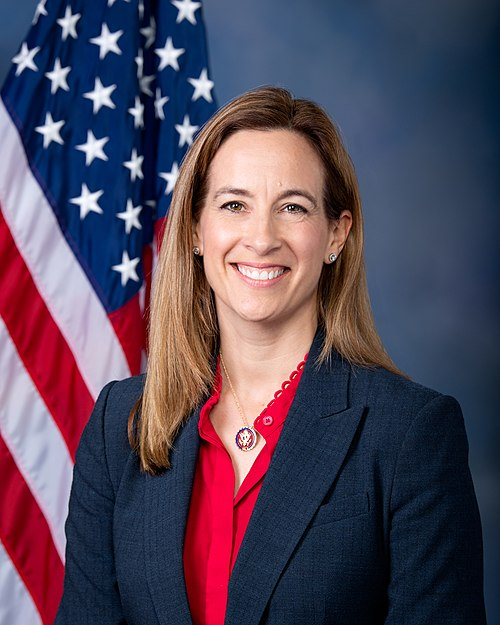
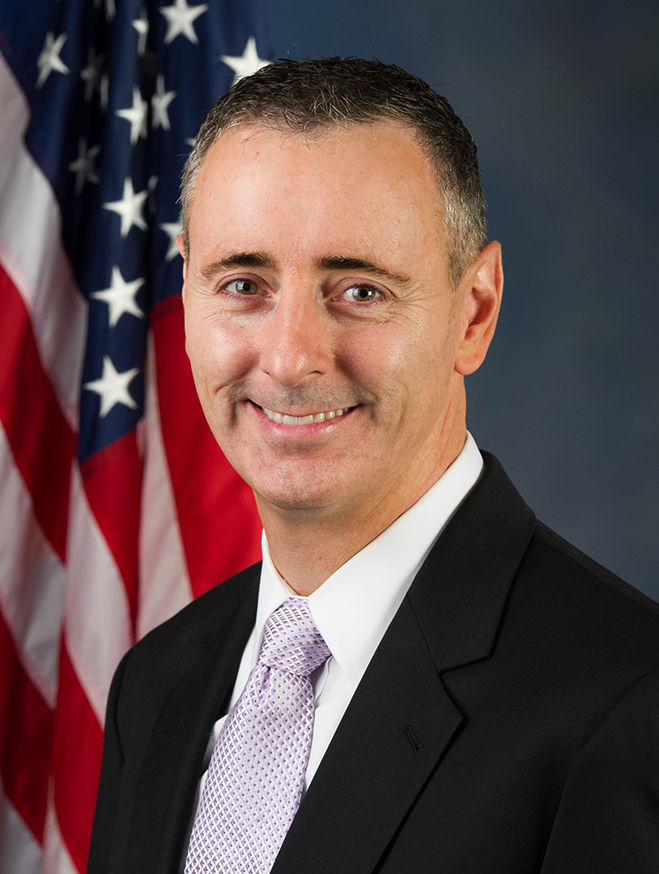
3 bill sponsors
Actions
2 actions
| Date | Action |
|---|---|
| Feb. 18, 2025 | Introduced in House |
| Feb. 18, 2025 | Referred to the House Committee on Education and Workforce. |
Corporate Lobbying
0 companies lobbying
None found.
* Note that there can be significant delays in lobbying disclosures, and our data may be incomplete.
Potentially Relevant Congressional Stock Trades
No relevant congressional stock trades found.