H.R. 143: Unauthorized Spending Accountability Act
The Unauthorized Spending Accountability Act aims to manage and reduce federal expenditures related to programs that have not received congressional authorization for funding. Here's a breakdown of the key features of this bill:
Establishment of a Budgetary Reduction Schedule
The bill establishes a recurring three-year schedule for reducing the budget allocated to any unauthorized program, starting in the fiscal year 2026. This means that the government will regularly assess programs that lack proper funding authorizations and implement budget cuts accordingly.
Definition of Terms
Several key terms are defined in the bill:
- Budgetary Level: This is the allocation of budget funds determined by congressional resolutions for each fiscal year.
- Expiring Fiscal Year: This refers to the fiscal year when the authorizations for a program’s funding will end.
- Unauthorized Program: Any program listed in the Congressional Budget Office's report titled "Expired and Expiring Authorizations of Appropriations," which lacks the necessary approvals and authorizations for funding.
Reduction in Budgetary Levels
The bill outlines how budgetary reductions will occur once a program is classified as unauthorized:
- In the fiscal year following the expiration of a program's authorization, the budget for that program will be reduced by 10% of the funds appropriated in the final authorized year.
- If the program remains unauthorized in the second and third fiscal years following its authorization expiration, the budget reductions will increase to 15% for these subsequent years.
- After determining these reductions, the revised budgetary level must be communicated to the appropriate congressional budget committees.
Termination of Unauthorized Programs
Any unauthorized program that continues beyond the third fiscal year after its authorization has expired will be terminated as of October 1 of the following fiscal year. After termination:
- Any remaining funds from the program can only be used to settle obligations that were incurred before the termination.
- No new funds can be allocated to the terminated program unless it is explicitly reauthorized by Congress for a period not exceeding three years.
Exemption from Budgetary Reductions
Programs that are reauthorized during the fiscal year will not be subject to automatic budget cuts. If a program is reinstated with a new authorization, any budget reductions applied prior to the reauthorization will be reversed.
- The reauthorization must include a provision that limits the authorization period to a maximum of three years to qualify for this exemption.
Overall Objective
The primary goal of this legislation is to ensure responsible management of taxpayer dollars by reducing funding for programs that do not have the necessary authorization, thereby holding the government accountable for its spending practices.
Relevant Companies
None found
This is an AI-generated summary of the bill text. There may be mistakes.
Sponsors
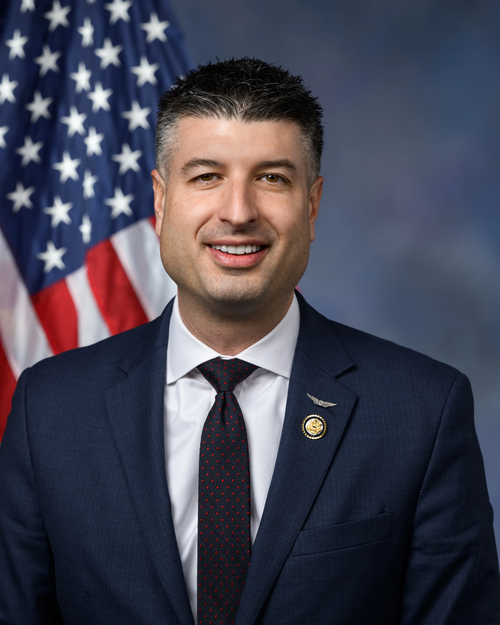
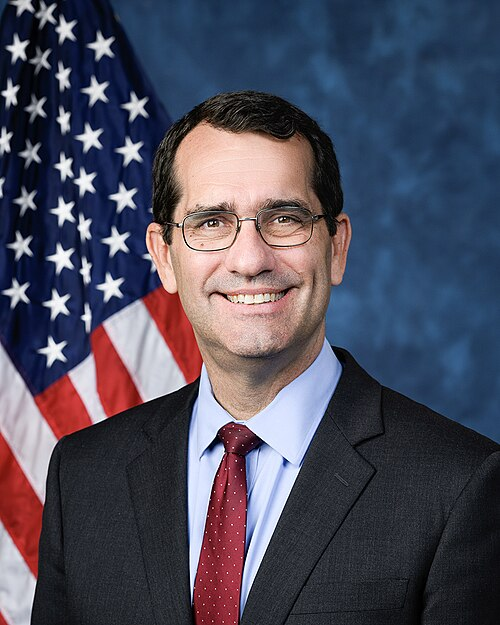
3 bill sponsors

Actions
4 actions
| Date | Action |
|---|---|
| Dec. 02, 2025 | Committee Consideration and Mark-up Session Held |
| Dec. 02, 2025 | Ordered to be Reported (Amended) by the Yeas and Nays: 25 - 19. |
| Jan. 03, 2025 | Introduced in House |
| Jan. 03, 2025 | Referred to the Committee on Oversight and Government Reform, and in addition to the Committees on the Budget, and Rules, for a period to be subsequently determined by the Speaker, in each case for consideration of such provisions as fall within the jurisdiction of the committee concerned. |
Corporate Lobbying
0 companies lobbying
None found.
* Note that there can be significant delays in lobbying disclosures, and our data may be incomplete.
Potentially Relevant Congressional Stock Trades
No relevant congressional stock trades found.