H.R. 1332: Aquatic Biodiversity Preservation Act of 2025
This legislation, known as the Aquatic Biodiversity Preservation Act of 2025, aims to enhance the understanding and conservation of aquatic species by establishing a genome sequencing program. Here are the main components of the bill:
Establishment of Genome Sequencing Program
The Secretary of Commerce is required to set up and manage a program that will:
- Sequence the genomes of various aquatic species.
- Coordinate with specific entities involved in the management and study of aquatic life.
Key Activities Under the Program
The program will carry out several specific activities, including:
- Identification and Cataloguing: Identifying and cataloguing specimens of aquatic species that are verified by taxonomists.
- Sample Collection: Obtaining genetic samples of priority species through purchase or field collection.
- DNA Processing: Extracting and processing DNA from those samples using laboratory analysis methods.
- Sequencing Genomes: Sequencing the genomes of aquatic species to established standards.
- Metadata Collection: Collecting and storing metadata produced during genome sequencing.
- Public Availability: Making sequenced genomes and their associated metadata publicly available if they are not already accessible.
- Funding and Assistance: Providing funding and technical support to relevant entities to assist with the aforementioned activities.
- Data Management Principles: Establishing principles for how data should be managed and shared according to recognized guidelines.
Participation by Other Entities
Covered entities, which include federal and state agencies, tribal governments, nonprofit organizations, and educational institutions, can actively participate in the program’s activities.
Data Sharing Requirements
When a genome is sequenced:
- The sequencing must be submitted to the National Center for Biotechnology Information within 360 days for public access.
- This data will include details such as species identification, collection location, collection date, and methodology used for sequencing.
However, if a tribal government sequences a genome, they retain exclusive control over the decision of when and how to share that data.
Funding
The bill authorizes $2 million annually for fiscal years 2025 through 2031 to support the program’s operations.
Definitions of Key Terms
Several terms are defined in the context of the bill, including:
- Aquatic Species of Greatest Conservation Need: Species that are declining or face significant threats.
- Priority Species: Species whose genomes need to be sequenced and that may be threatened or listed under various conservation acts.
- Covered Entity: Entities that can participate in the program, including government agencies, tribal governments, nonprofits, and institutions of higher education.
Effectiveness
The provisions of this section will come into effect 180 days after the bill is enacted.
Relevant Companies
None found
This is an AI-generated summary of the bill text. There may be mistakes.
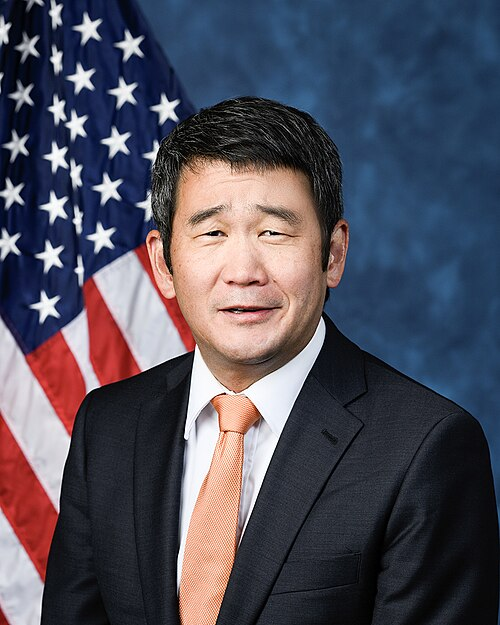
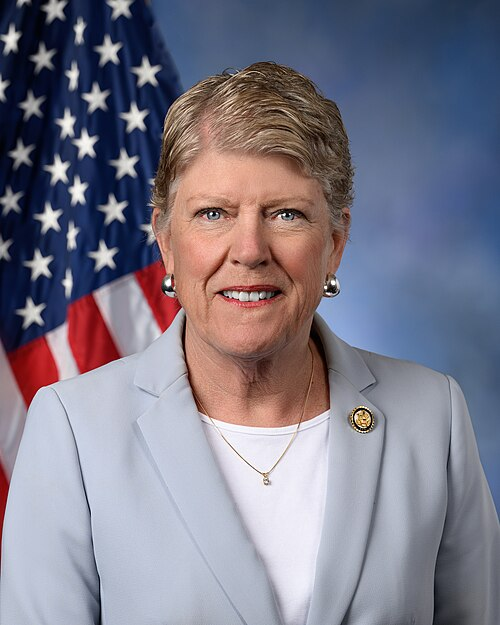
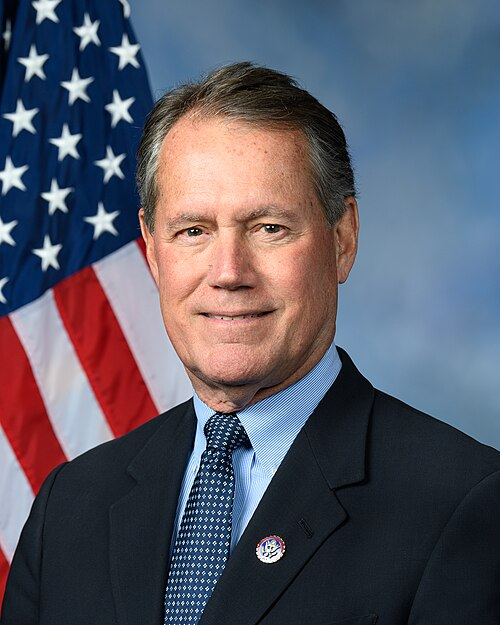
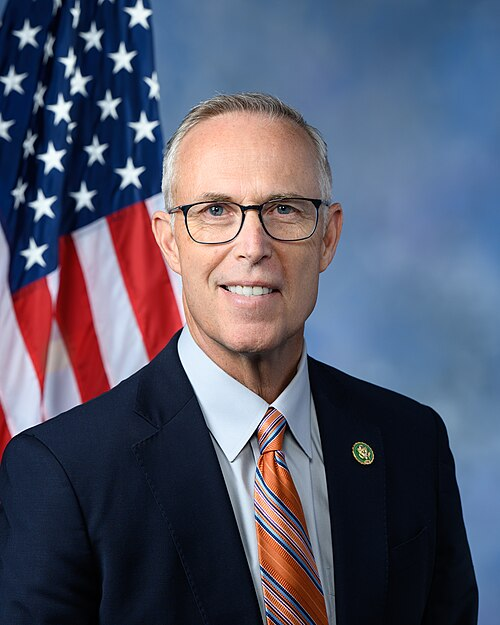
Sponsors
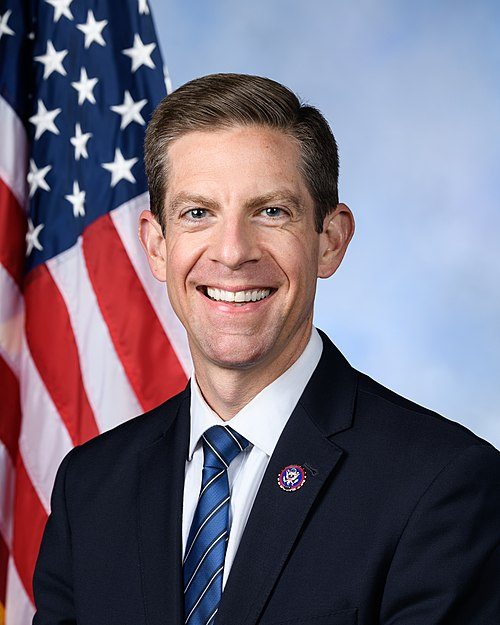
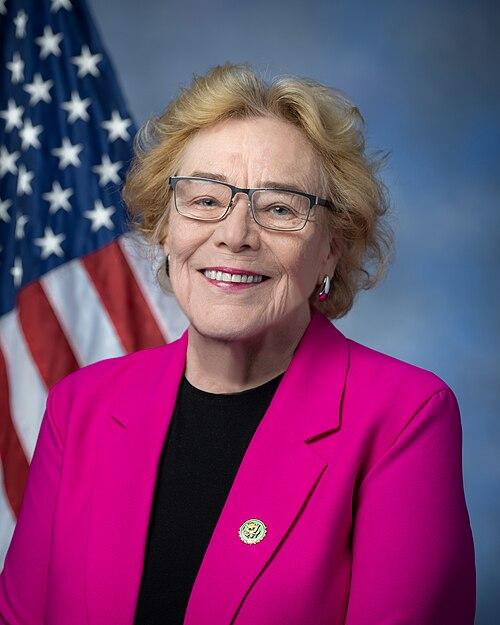
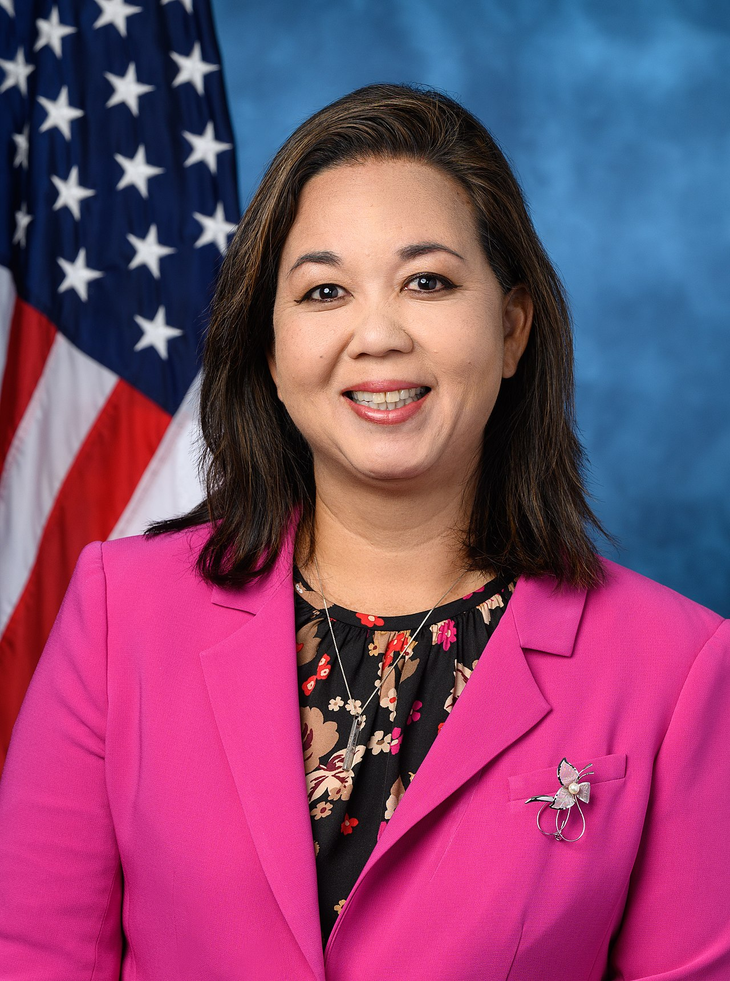
8 bill sponsors

Actions
2 actions
| Date | Action |
|---|---|
| Feb. 13, 2025 | Introduced in House |
| Feb. 13, 2025 | Referred to the House Committee on Natural Resources. |
Corporate Lobbying
0 companies lobbying
None found.
* Note that there can be significant delays in lobbying disclosures, and our data may be incomplete.
Potentially Relevant Congressional Stock Trades
No relevant congressional stock trades found.