
H.R. 1273: Korean American Divided Families National Registry Act
This bill, known as the Korean American Divided Families National Registry Act, aims to establish a national registry that would help Korean American families who were separated during the Korean War connect with their relatives still living in North Korea. Here are the main components of the bill:
Establishment of a National Registry
The U.S. Secretary of State will create a registry that collects information on Korean American families wishing to reunite with their relatives in North Korea. This registry will:
- Gather details about these families that were divided after the Korean War Armistice Agreement signed on July 27, 1953.
- Include provisions for future reunions, such as in-person and video meetings.
- Be a private internal registry specifically for this purpose.
- Maintain a repository of information about the families and their relatives, including those who may be deceased.
Facilitating Dialogue
The Secretary of State will also be responsible for taking actions that ensure discussions between the U.S. and North Korea address the issue of family reunions. These actions will include:
- Promoting progress towards organizing reunions for the families involved.
- Consulting with the Republic of Korea on how to best administer these discussions and make progress.
Reporting Requirements
The Secretary of State will have to report on the progress and status of the national registry. The reports, to be submitted no later than one year after the bill becomes law, and annually for five years, will include:
- The status of the national registry, including the number of families registered.
- Details on families that have met family members in North Korea during past reunions, as well as those who have not.
- A summary of North Korea's responses to requests for family reunions.
- Information on regulations and actions by North Korea that inhibit emigration of Korean American family members.
Collaborative Framework
The bill defines the "appropriate congressional committees" for purposes of oversight and reporting as the Committee on Foreign Affairs of the House of Representatives and the Committee on Foreign Relations of the Senate.
Implementation Oversight
There is a structured approach for ensuring effective implementation and periodic evaluation through the defined reporting requirements.
Relevant Companies
None found.
This is an AI-generated summary of the bill text. There may be mistakes.
Sponsors
17 bill sponsors
-
TrackSuhas Subramanyam
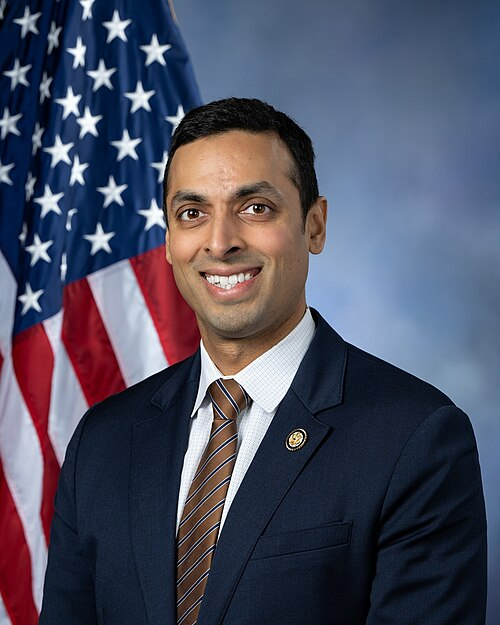
Sponsor
-
TrackAmi Bera
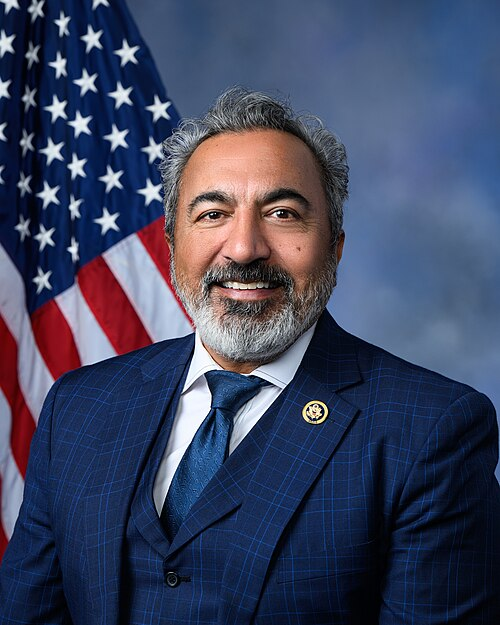
Co-Sponsor
-
TrackGerald E. Connolly
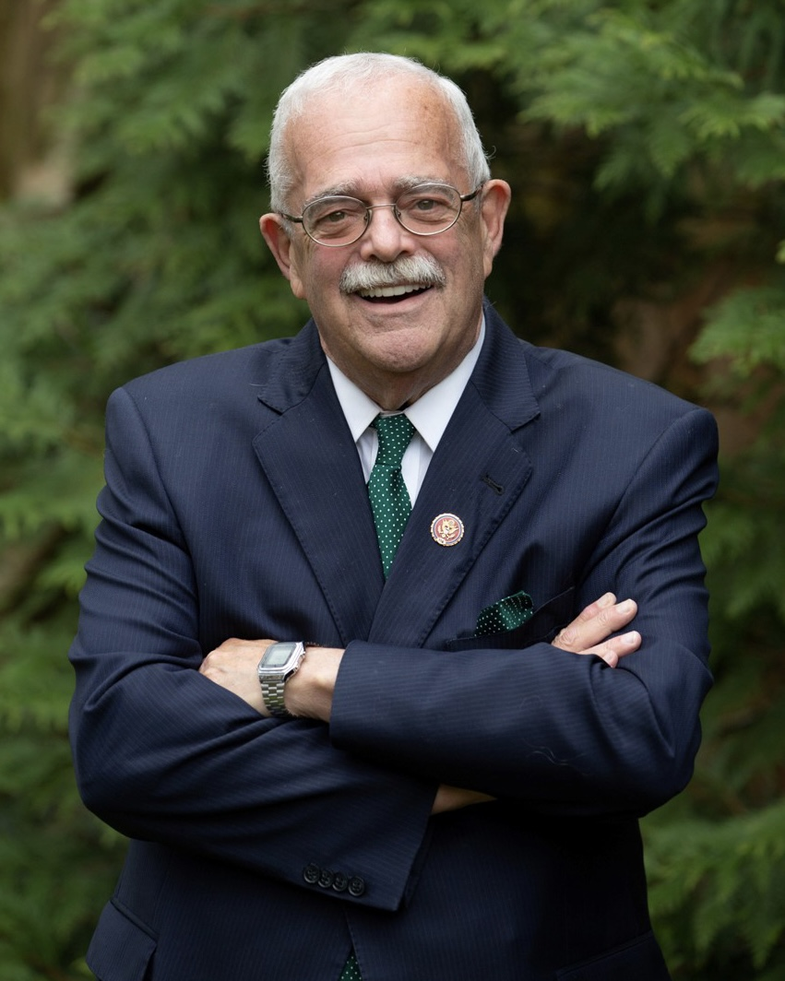
Co-Sponsor
-
TrackBrian K. Fitzpatrick
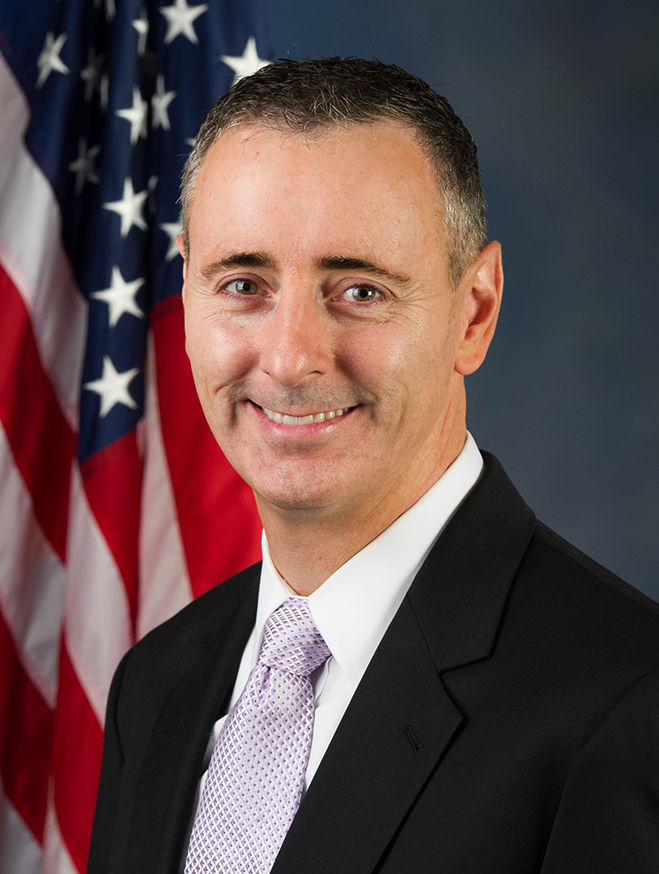
Co-Sponsor
-
TrackJonathan L. Jackson
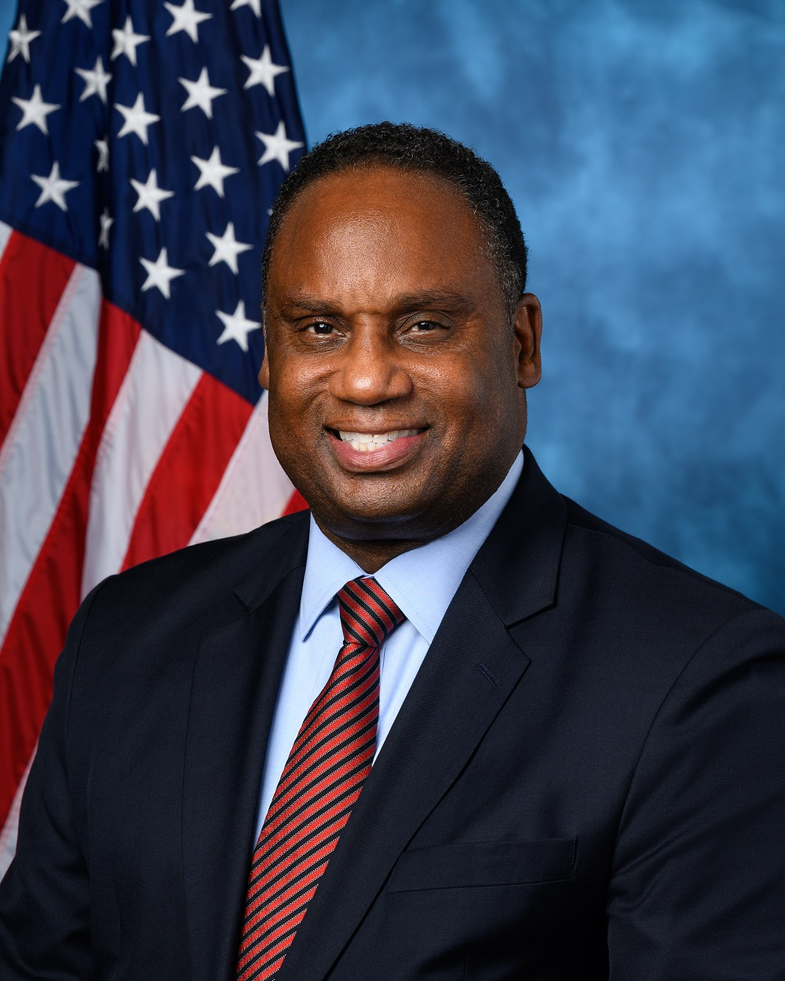
Co-Sponsor
-
TrackJennifer Kiggans
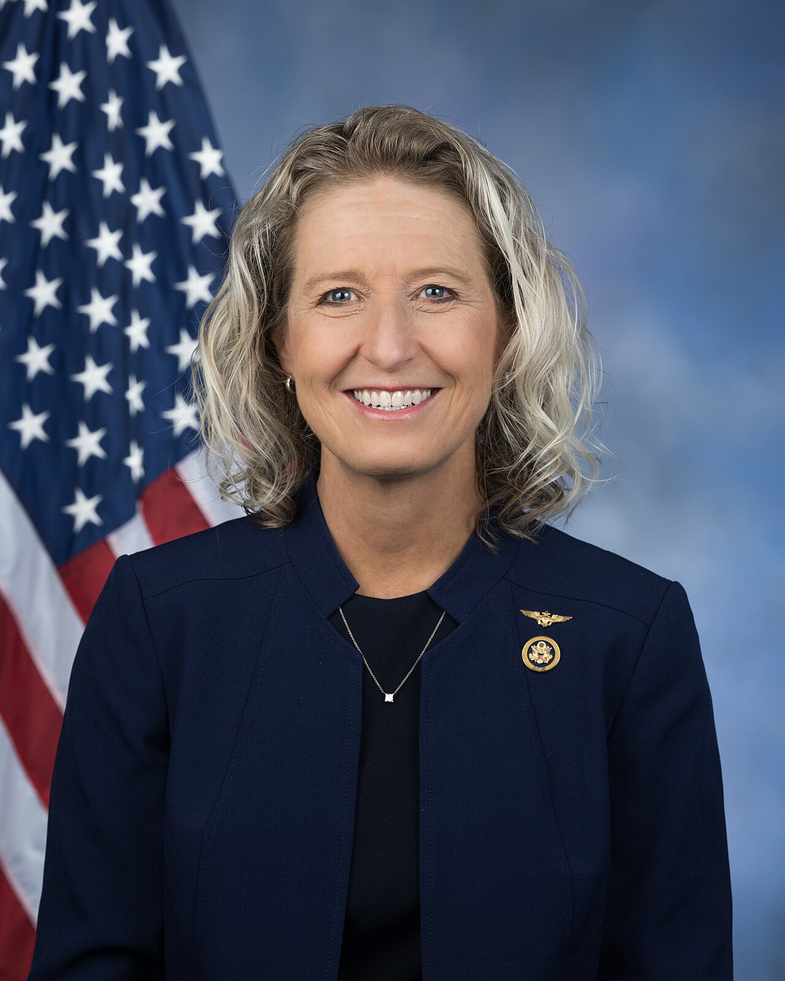
Co-Sponsor
-
TrackYoung Kim
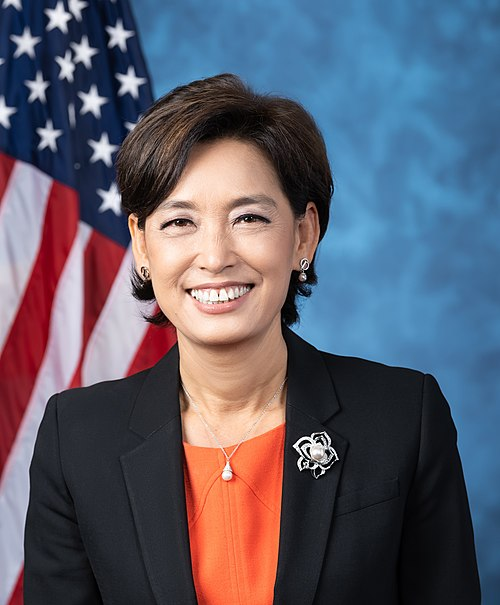
Co-Sponsor
-
TrackKimberlyn King-Hinds
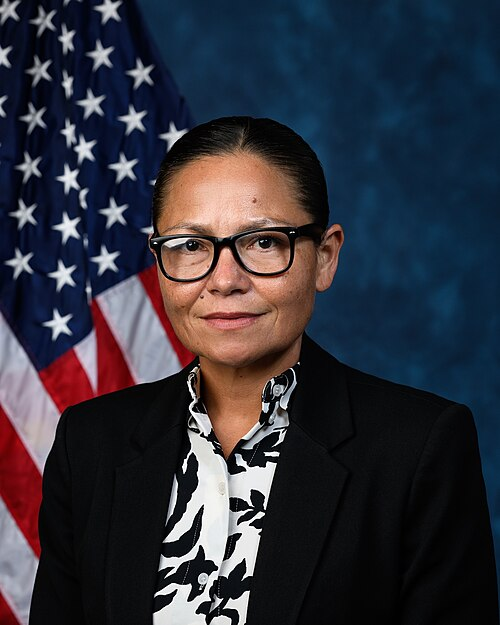
Co-Sponsor
-
TrackMichael Lawler
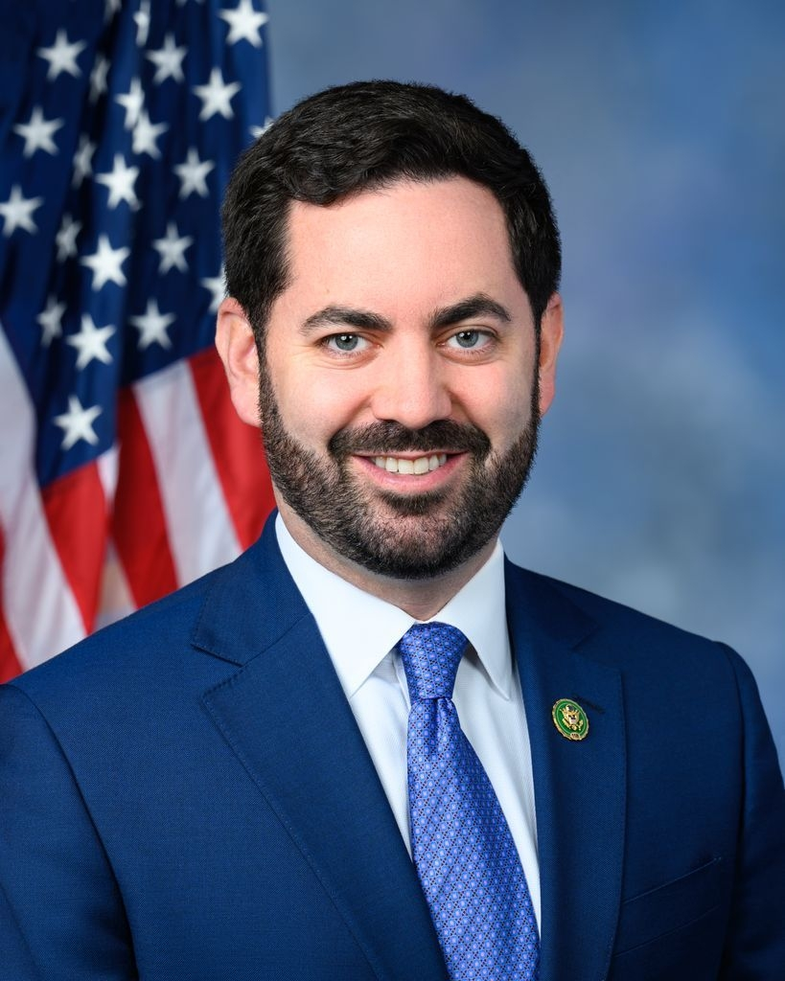
Co-Sponsor
-
TrackNicole Malliotakis
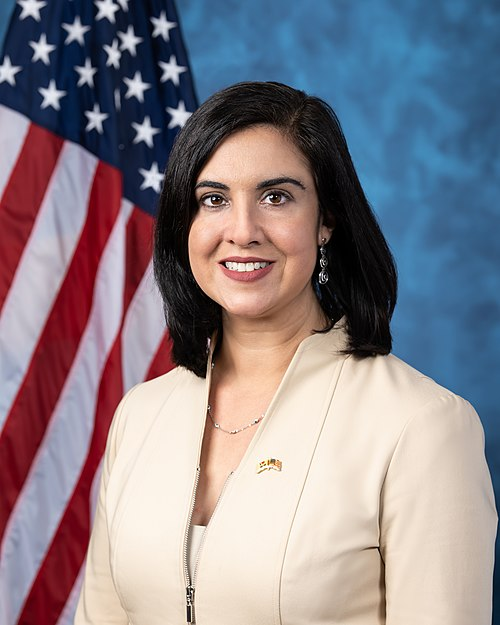
Co-Sponsor
-
TrackGrace Meng
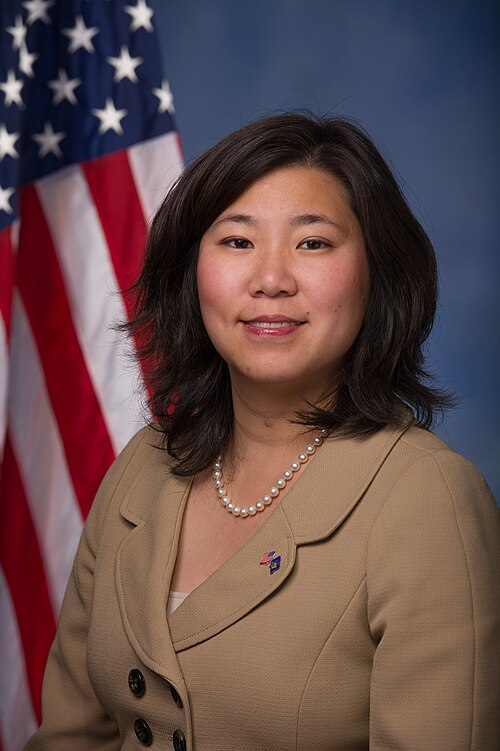
Co-Sponsor
-
TrackDave Min
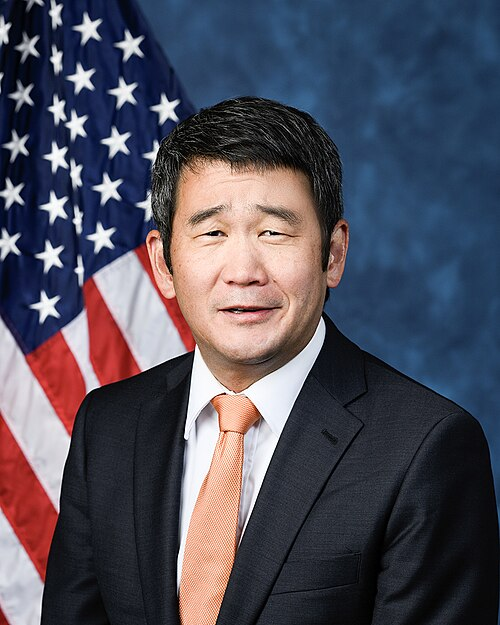
Co-Sponsor
-
TrackJames C. Moylan
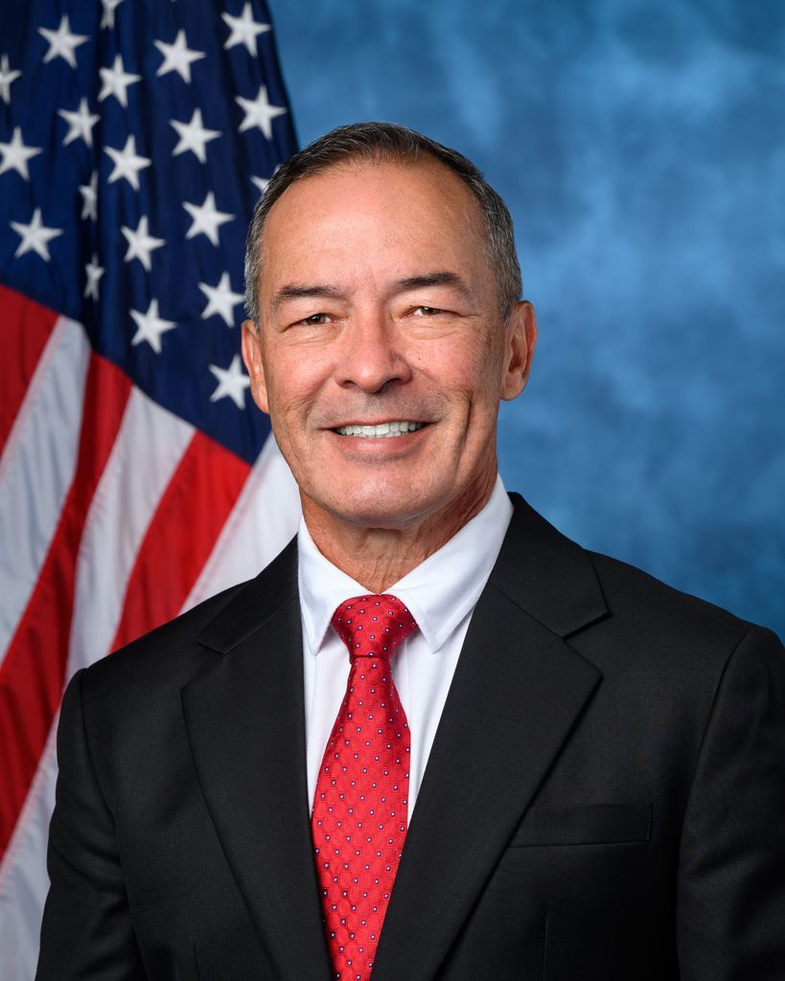
Co-Sponsor
-
TrackAumua Amata Coleman Radewagen
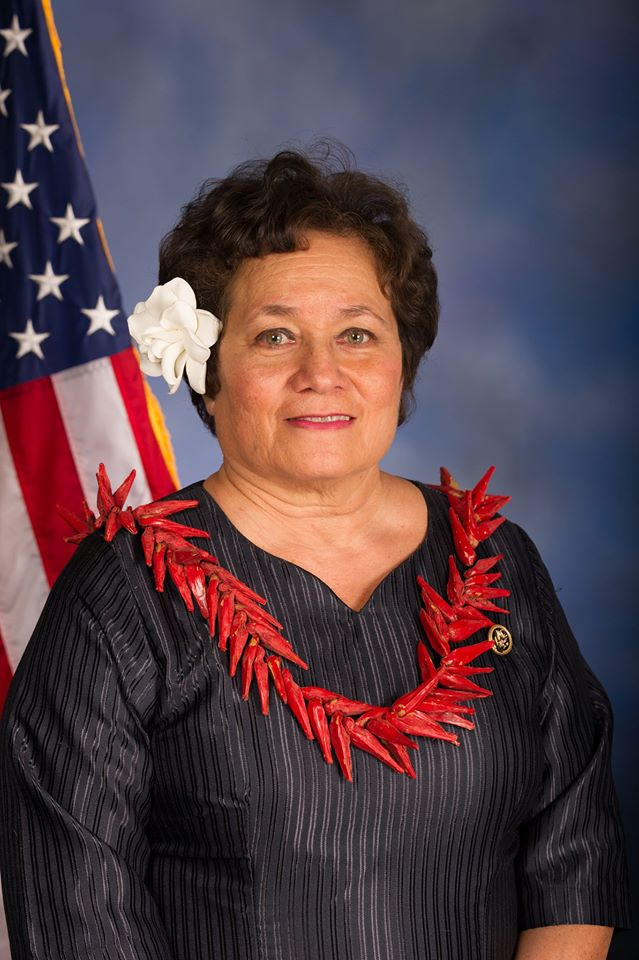
Co-Sponsor
-
TrackBrad Sherman
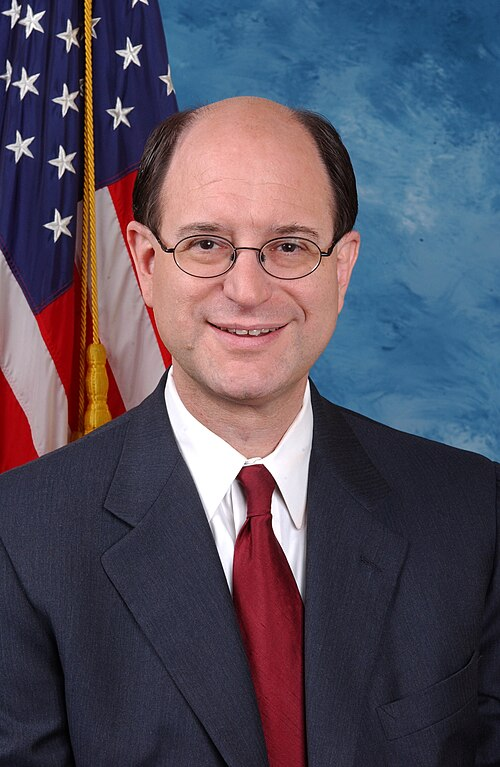
Co-Sponsor
-
TrackThomas R. Suozzi
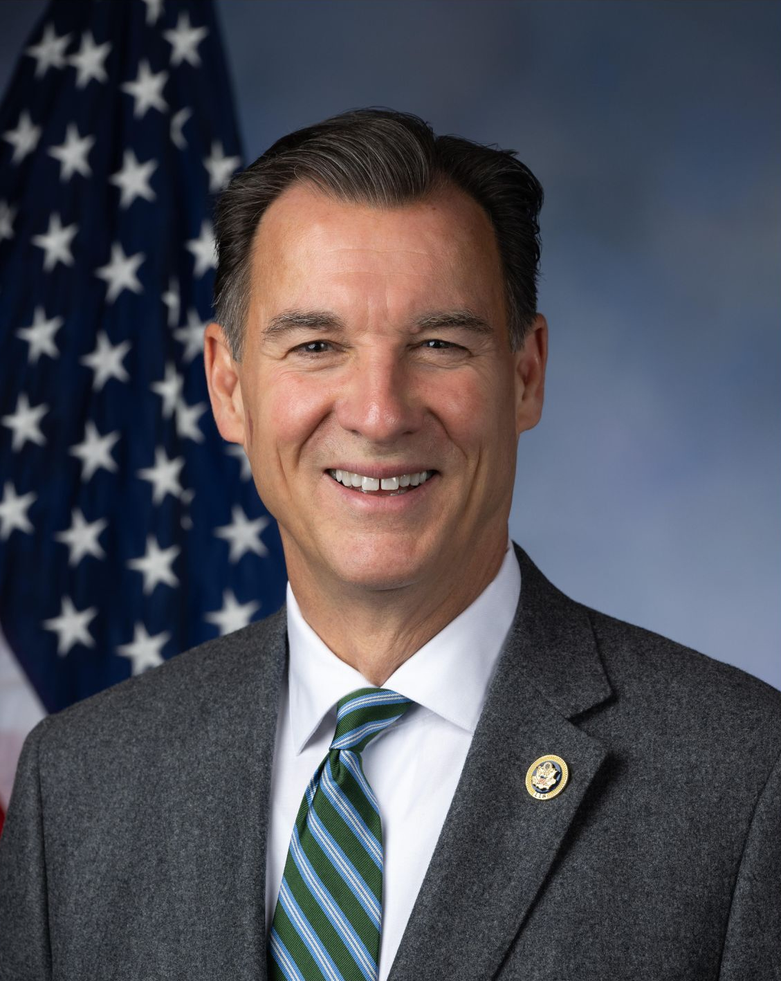
Co-Sponsor
-
TrackJames R. Walkinshaw

Co-Sponsor
Actions
2 actions
| Date | Action |
|---|---|
| Feb. 12, 2025 | Introduced in House |
| Feb. 12, 2025 | Referred to the House Committee on Foreign Affairs. |
Corporate Lobbying
0 companies lobbying
None found.
* Note that there can be significant delays in lobbying disclosures, and our data may be incomplete.
Potentially Relevant Congressional Stock Trades
No relevant congressional stock trades found.