H.R. 1163: Prove It Act of 2025
This bill, known as the Prove It Act of 2025, aims to increase transparency regarding federal regulatory decisions that could impact small businesses. The main components of the bill are outlined below:
1. Amendments to Regulatory Flexibility Analysis
The bill proposes amendments to the current regulatory flexibility analysis, which is a process that assesses the impact of proposed rules on small entities (businesses, organizations, etc.). Key changes include:
- Agencies must consider indirect costs associated with regulatory rules, particularly those affecting entities that engage with regulated entities.
- Small entities can challenge an agency's certification that a proposed rule will not have a significant economic impact by petitioning the Chief Counsel for Advocacy of the Small Business Administration.
2. Review Procedures for Petitions
The bill establishes specific procedures for how petitions to review agency certifications should be handled:
- The Chief Counsel will conduct an initial review of the petitions and determine whether further analysis is needed.
- If the Chief Counsel finds merit in the petition, a more in-depth review will be conducted, including potential meetings with affected parties.
- Results of these reviews must be published publicly, ensuring transparency regarding agency decisions.
3. Guidance Publication Requirements
The bill requires agencies to publish guidance documents for any rules that significantly affect small entities. This includes:
- Updated interpretations of rules, which must be made accessible online.
- Opportunities for comments on these documents to gather feedback from small businesses.
4. Review of Existing Rules
There are provisions for the periodic review of existing rules affecting small entities. If an agency fails to conduct such a review within a specified timeframe, the rule shall cease to be effective.
5. No Additional Funding
The bill specifies that no additional funds will be allocated for implementing these provisions, meaning existing budget resources must be used.
6. Timeline for Review
The Chief Counsel is required to publish results of the review within a certain timeframe, ensuring timely oversight of agency actions.
7. Judicial Review Considerations
Finally, the bill sets forth that a certification made by an agency can be reviewed by courts as final agency action once the Chief Counsel makes a determination regarding the petition.
Relevant Companies
- None found
This is an AI-generated summary of the bill text. There may be mistakes.
Sponsors
30 bill sponsors
-
TrackBrad Finstad
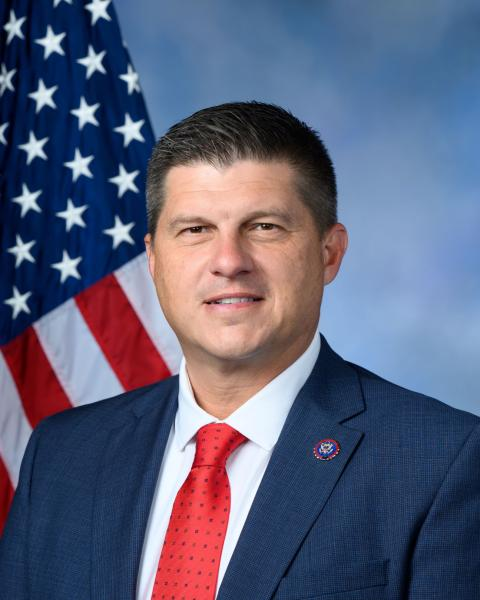
Sponsor
-
TrackDon Bacon
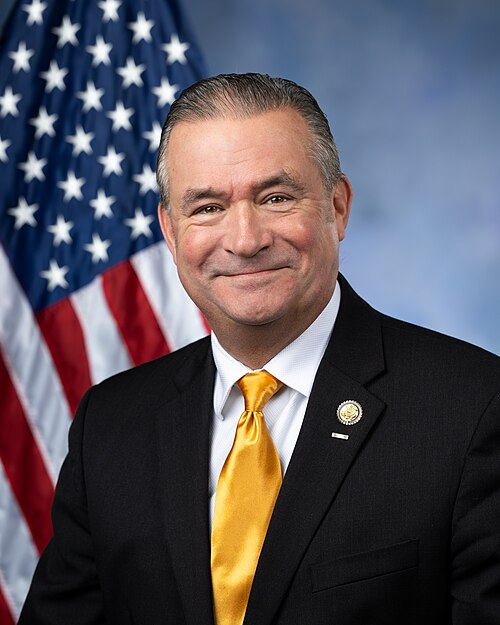
Co-Sponsor
-
TrackTroy Balderson
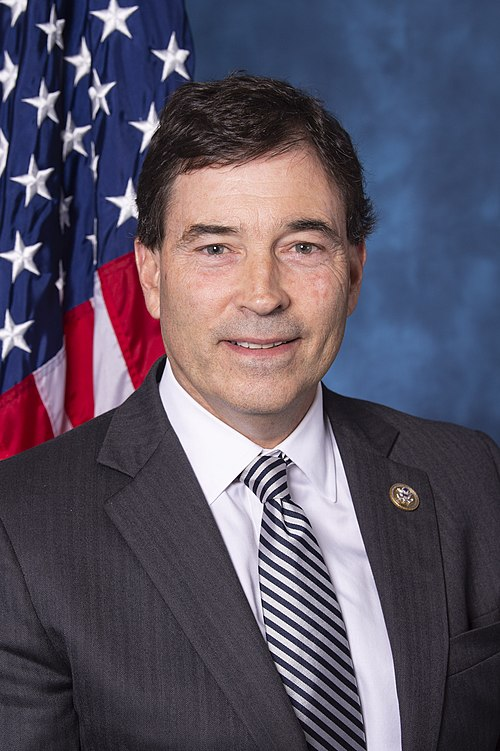
Co-Sponsor
-
TrackAaron Bean
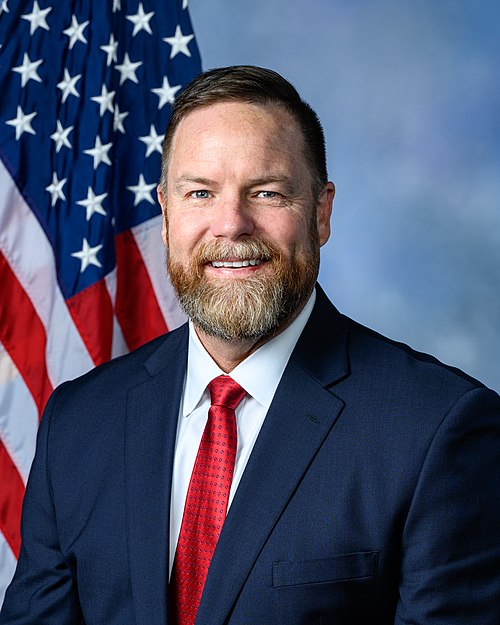
Co-Sponsor
-
TrackKen Calvert
Co-Sponsor
-
TrackMike Carey

Co-Sponsor
-
TrackEarl L. "Buddy" Carter
Co-Sponsor
-
TrackJuan Ciscomani
Co-Sponsor
-
TrackJeff Crank
Co-Sponsor
-
TrackMichelle Fischbach
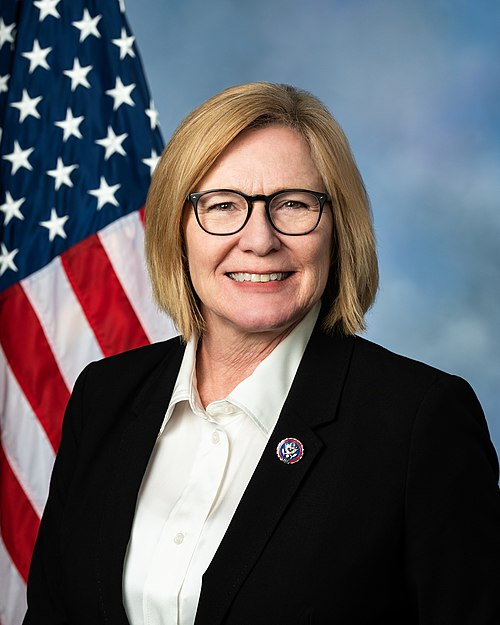
Co-Sponsor
-
TrackMike Flood
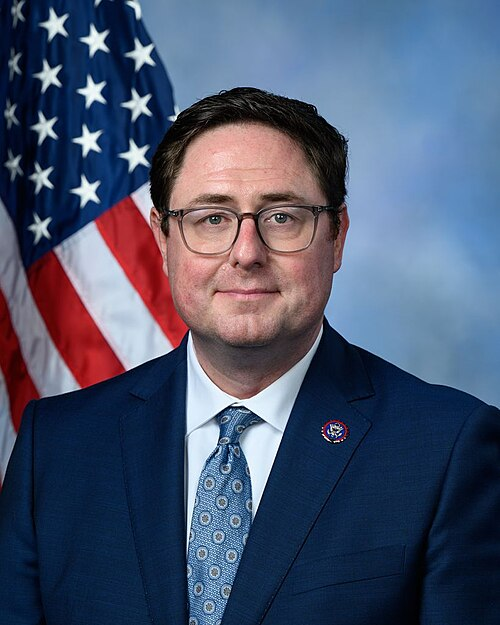
Co-Sponsor
-
TrackHarriet M. Hageman
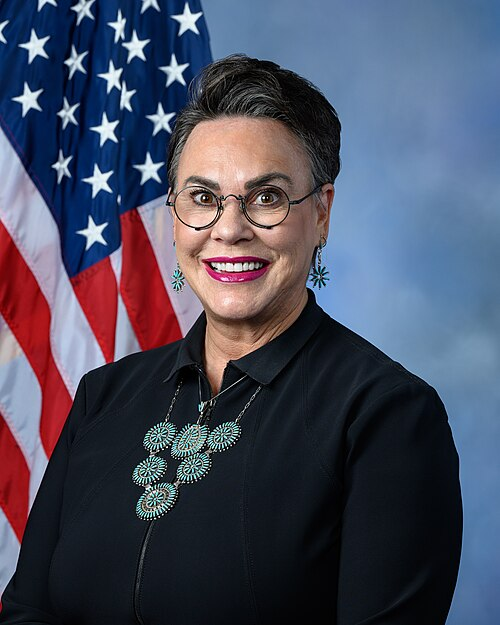
Co-Sponsor
-
TrackAshley Hinson
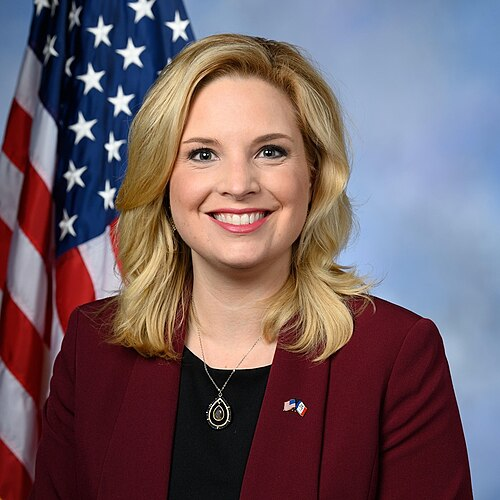
Co-Sponsor
-
TrackMike Kennedy
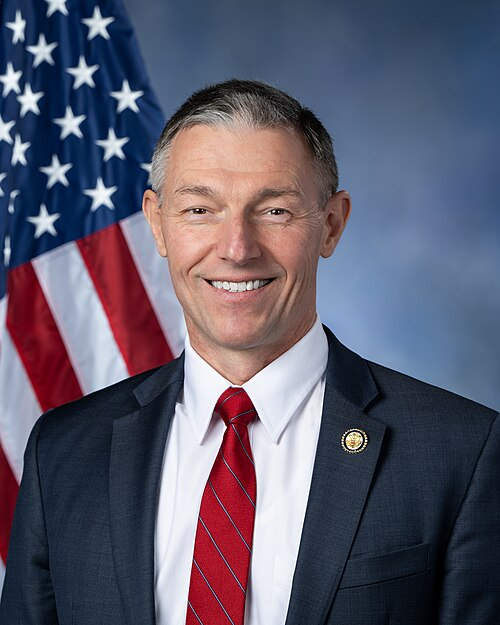
Co-Sponsor
-
TrackMichael Lawler
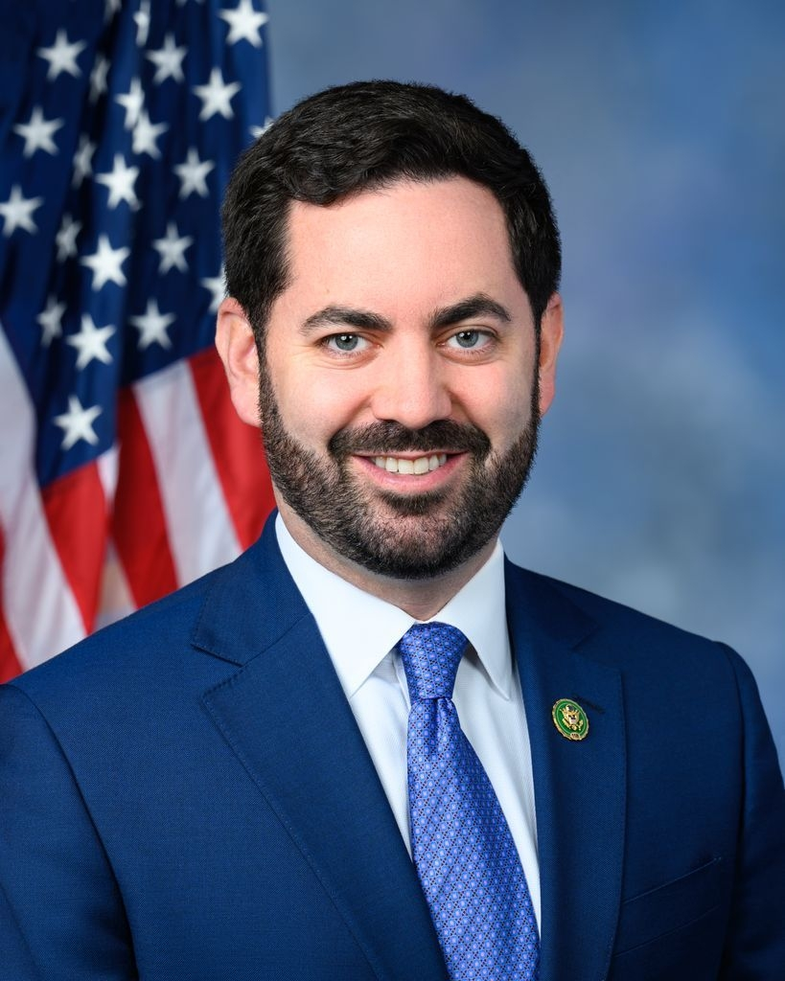
Co-Sponsor
-
TrackTracey Mann
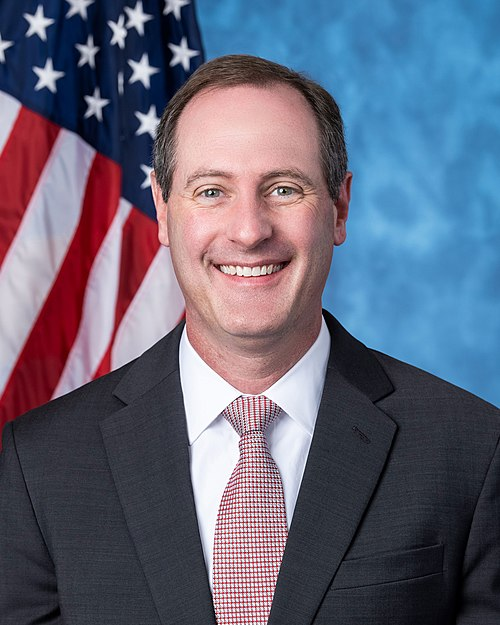
Co-Sponsor
-
TrackDaniel Meuser
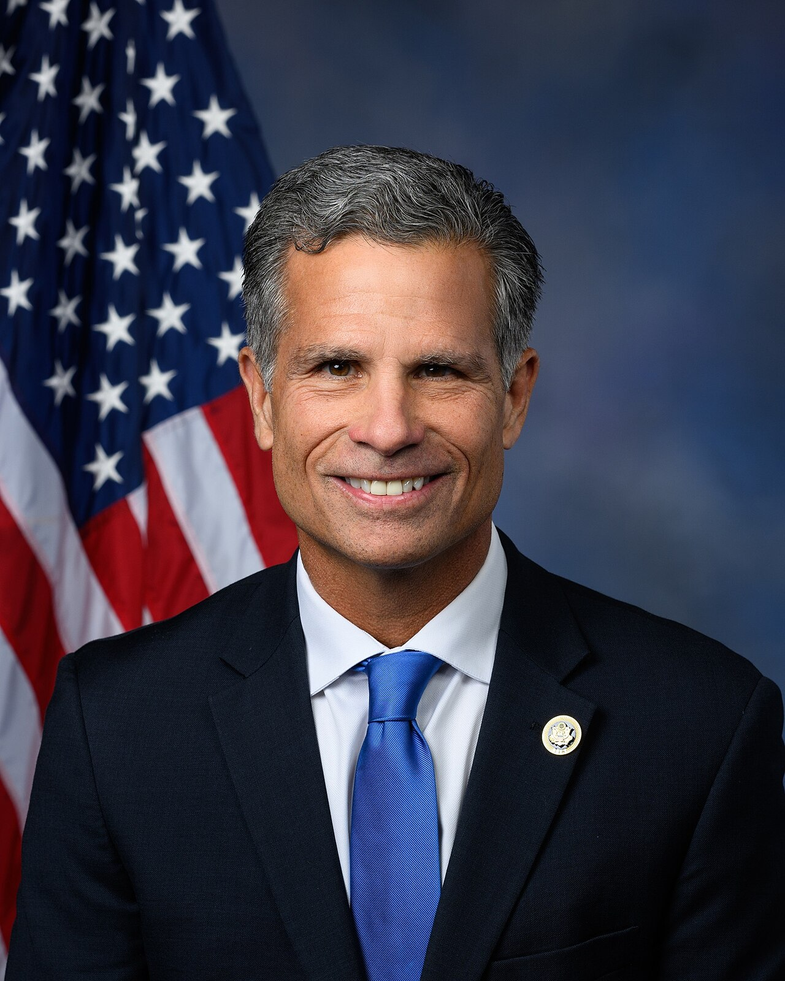
Co-Sponsor
-
TrackCarol D. Miller
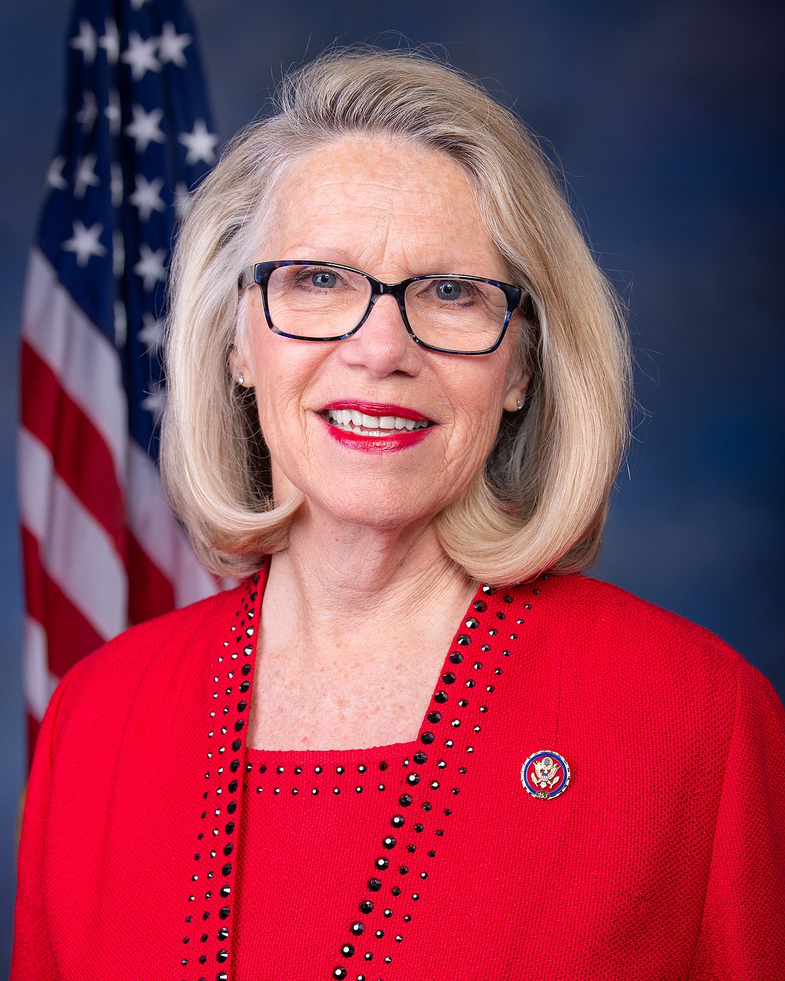
Co-Sponsor
-
TrackNathaniel Moran
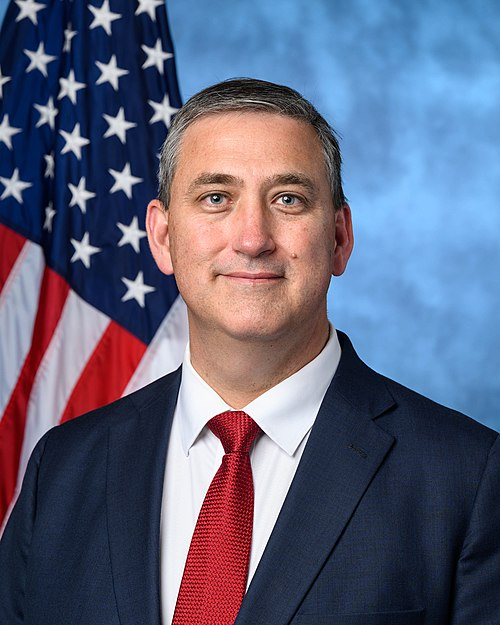
Co-Sponsor
-
TrackZachary Nunn
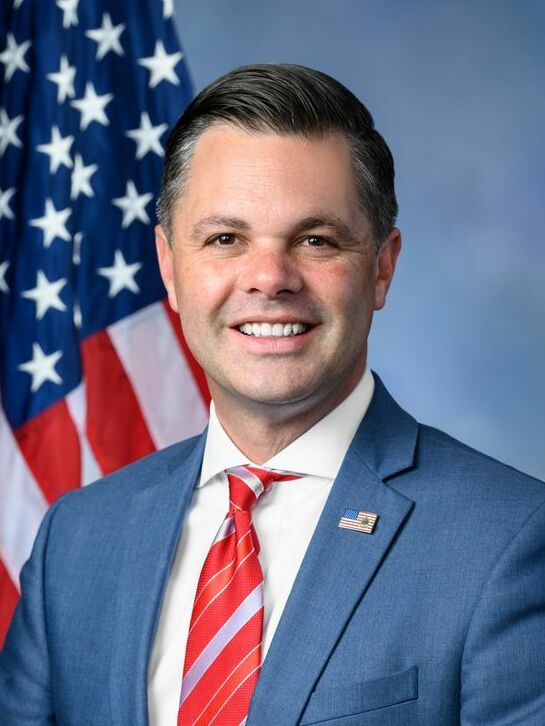
Co-Sponsor
-
TrackMaria Elvira Salazar
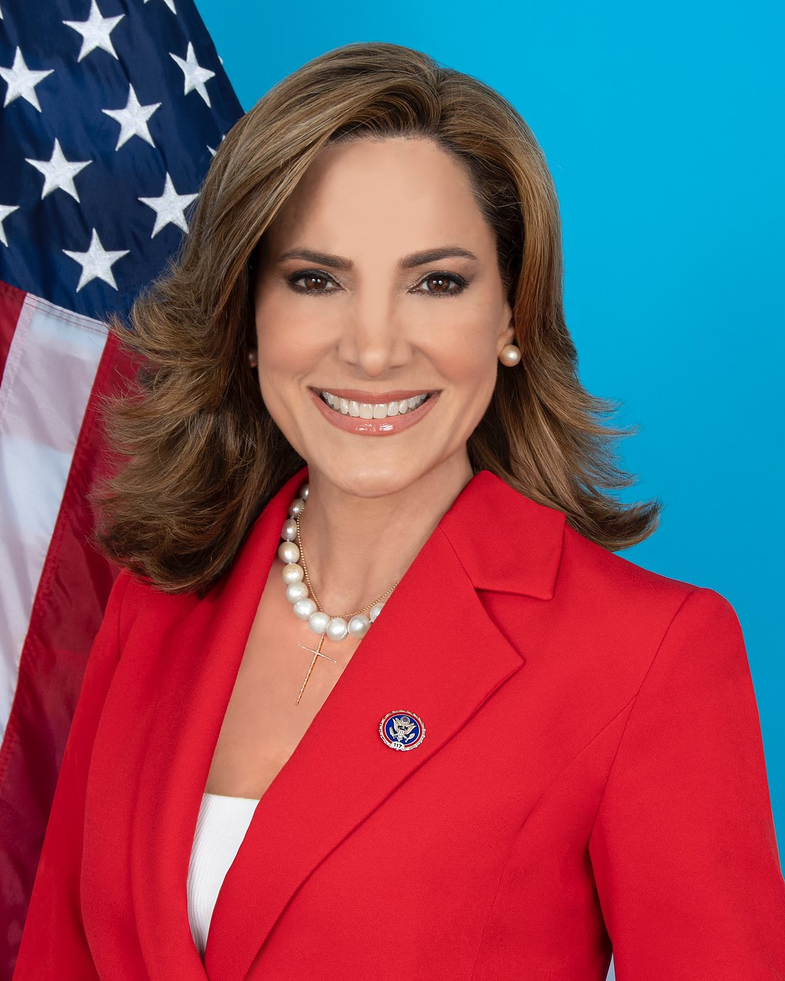
Co-Sponsor
-
TrackDerek Schmidt
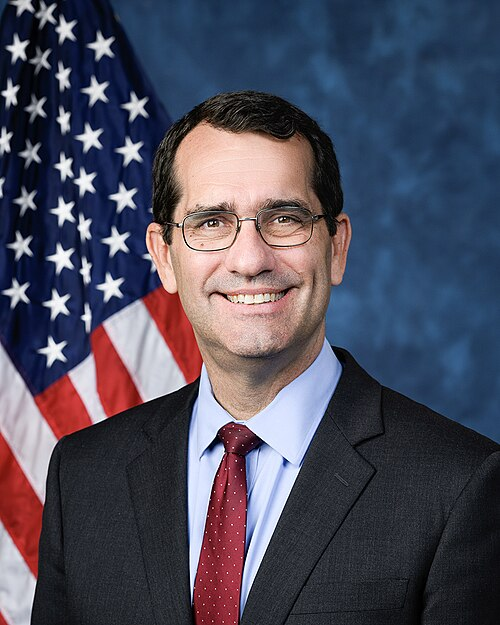
Co-Sponsor
-
TrackPete Stauber
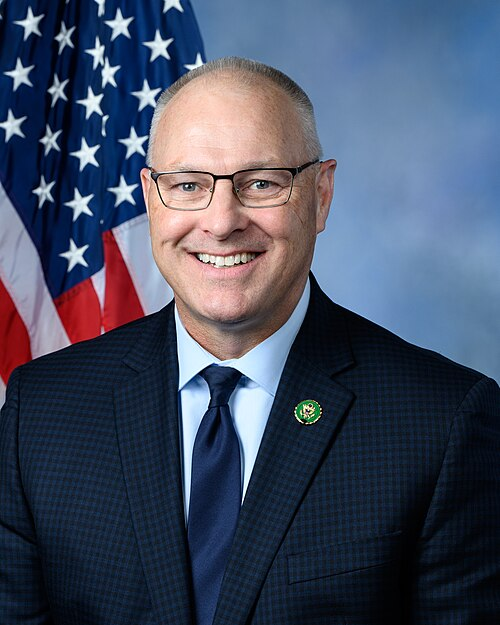
Co-Sponsor
-
TrackBryan Steil
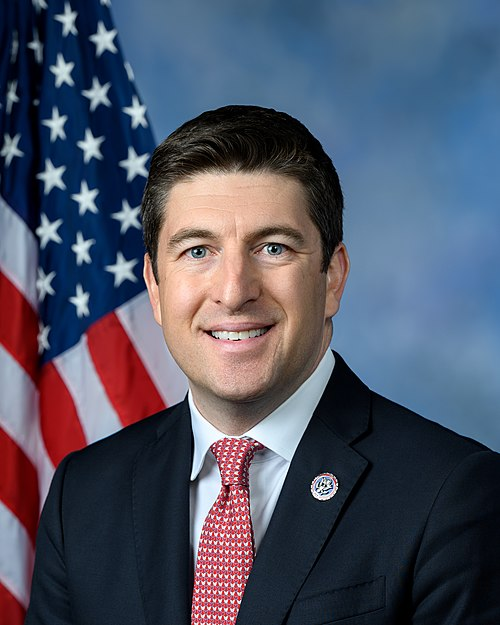
Co-Sponsor
-
TrackDavid Taylor
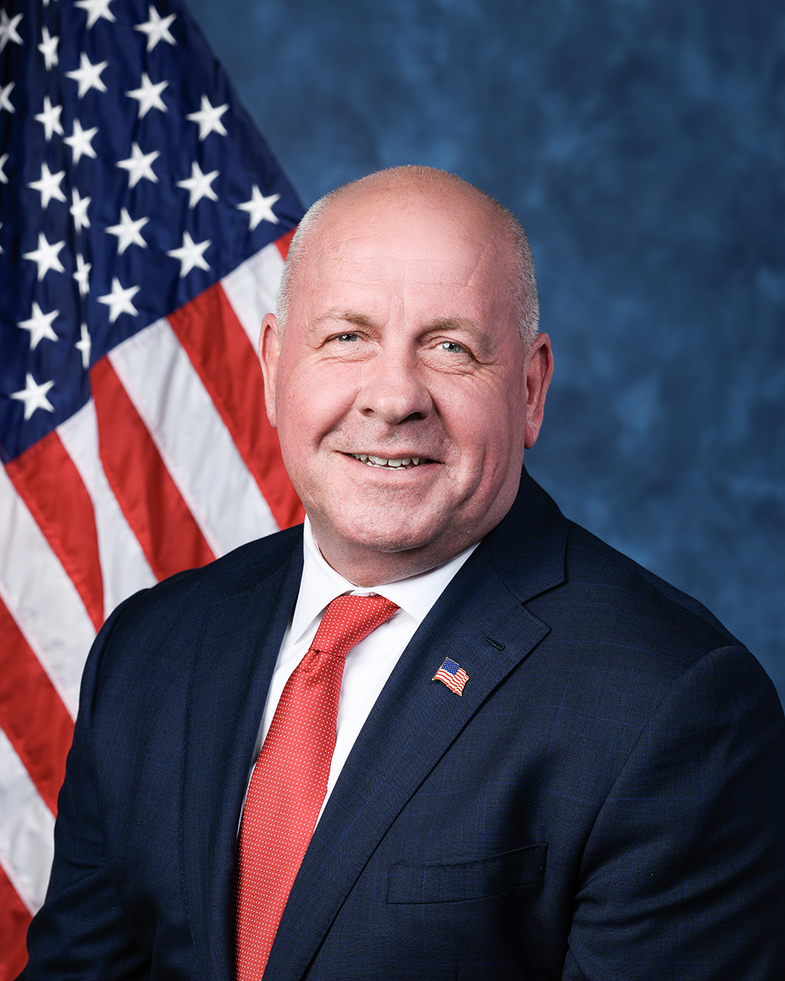
Co-Sponsor
-
TrackGlenn Thompson
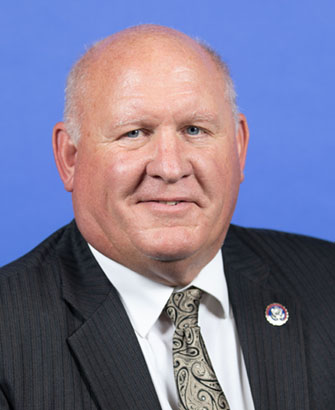
Co-Sponsor
-
TrackDavid G. Valadao
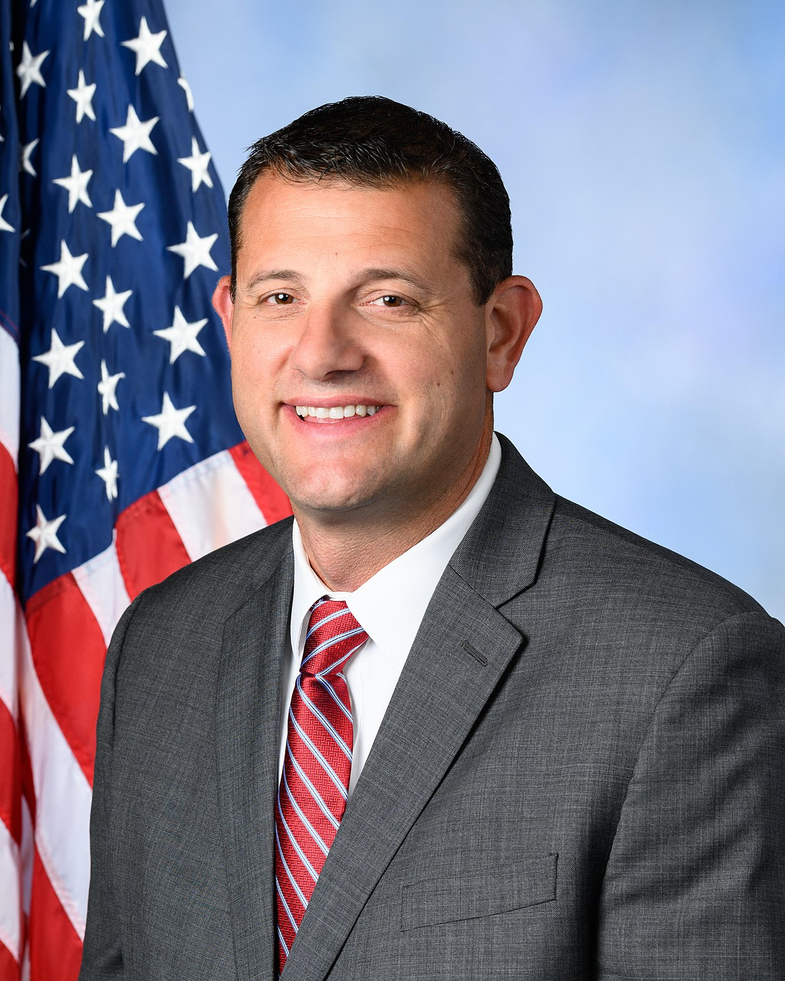
Co-Sponsor
-
TrackJefferson Van Drew
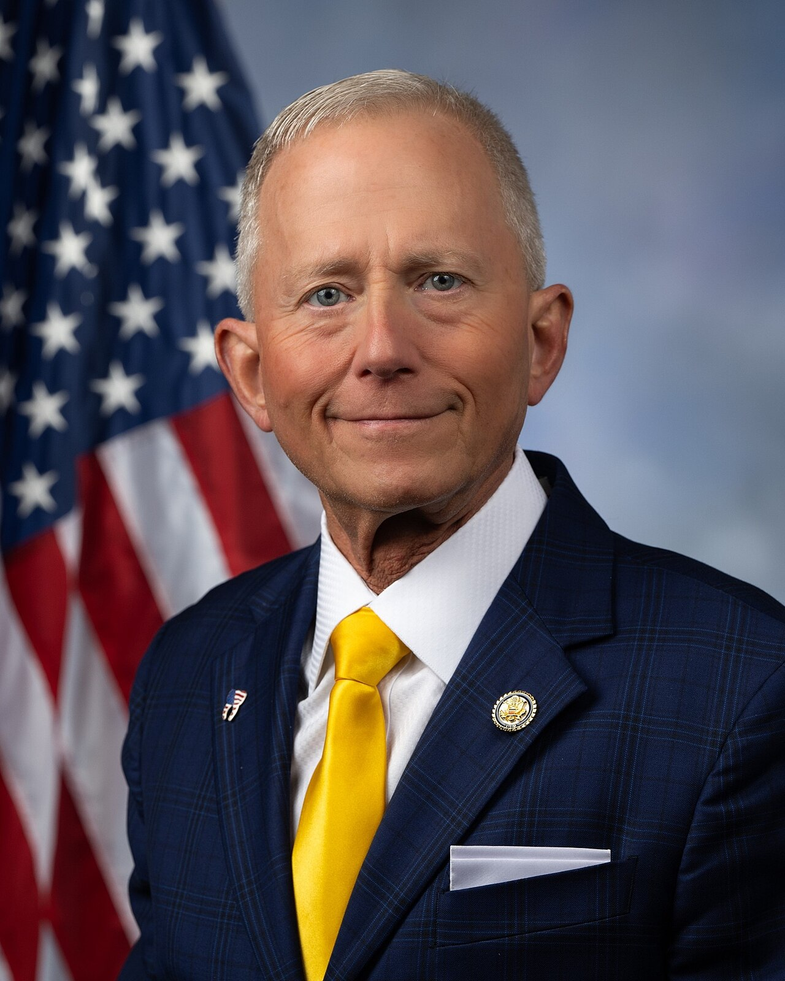
Co-Sponsor
-
TrackBeth Van Duyne
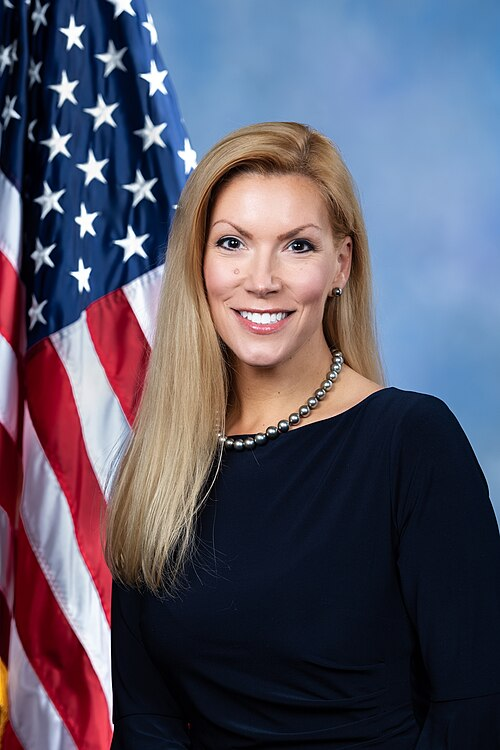
Co-Sponsor
-
TrackRandy K. Weber, Sr.
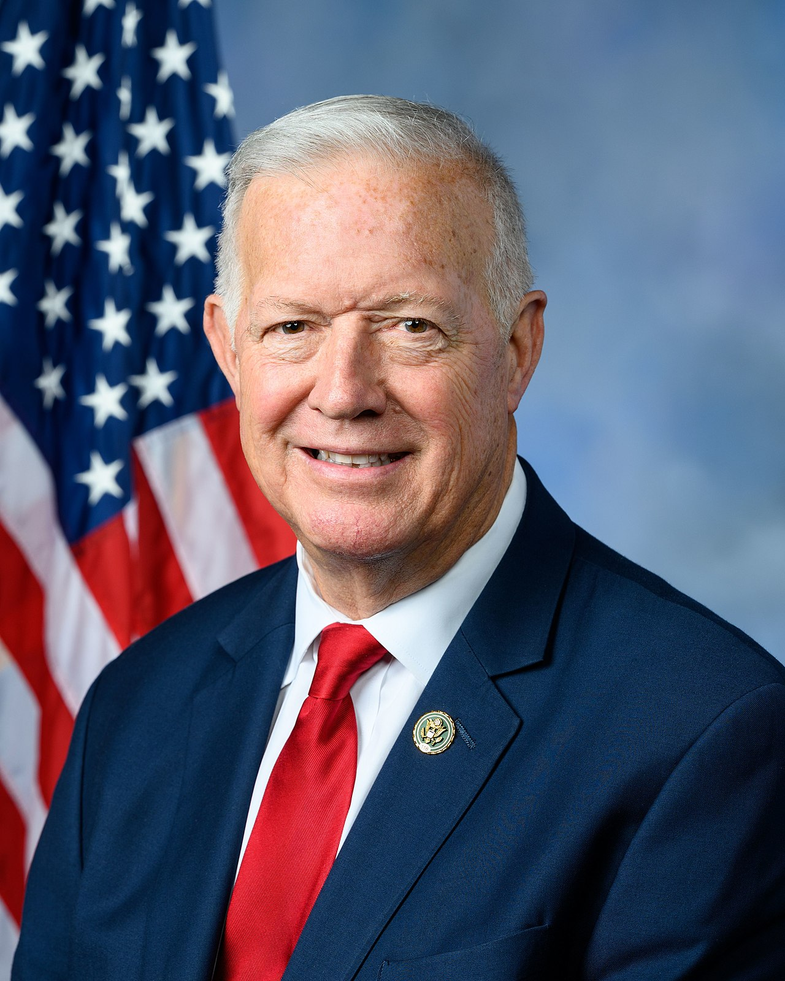
Co-Sponsor
Actions
9 actions
| Date | Action |
|---|---|
| May. 04, 2026 | Placed on the Union Calendar, Calendar No. 552. |
| May. 04, 2026 | Reported (Amended) by the Committee on Judiciary. H. Rept. 119-108, Part II. |
| May. 21, 2025 | Committee Consideration and Mark-up Session Held |
| May. 21, 2025 | Ordered to be Reported in the Nature of a Substitute by the Yeas and Nays: 14 - 12. |
| May. 21, 2025 | Reported (Amended) by the Committee on Small Business. H. Rept. 119-108, Part I. |
| Apr. 30, 2025 | Committee Consideration and Mark-up Session Held |
| Apr. 30, 2025 | Ordered to be Reported (Amended) by the Yeas and Nays: 15 - 11. |
| Feb. 10, 2025 | Introduced in House |
| Feb. 10, 2025 | Referred to the Committee on the Judiciary, and in addition to the Committee on Small Business, for a period to be subsequently determined by the Speaker, in each case for consideration of such provisions as fall within the jurisdiction of the committee concerned. |
Corporate Lobbying
0 companies lobbying
None found.
* Note that there can be significant delays in lobbying disclosures, and our data may be incomplete.
Potentially Relevant Congressional Stock Trades
No relevant congressional stock trades found.