H.R. 116: Stopping Border Surges Act
This bill, known as the Stopping Border Surges Act, seeks to address various aspects of U.S. immigration law, specifically focusing on two main areas: unaccompanied alien children and asylum reform. Below is a summary of the key provisions of the bill.
Title I—Unaccompanied Alien Children
Sec. 101: Repatriation of Unaccompanied Alien Children
This section proposes amendments aimed at expediting the process for repatriating unaccompanied alien children. Changes include redefined eligibility for unaccompanied minors and the responsibilities of officials regarding their detention and release.
Sec. 102: Clarification of Standards for Family Detention
The bill clarifies that the detention of alien children who are not unaccompanied must adhere to specific provisions set out in immigration law. It removes presumptions against the detention of such children and requires that they can only be released to parents or legal guardians legally in the United States.
Sec. 103: Special Immigrant Juvenile Status for Immigrants Unable to Reunite with Either Parent
This provision modifies the eligibility criteria for special immigrant juvenile status, making it clearer that abuse, neglect, or similar issues must prevent reunification for an immigrant to qualify.
Title II—Asylum Reform
Sec. 201: Credible Fear Interviews
Amendments on how credible fear interviews are conducted will enhance assessment conditions for asylum seekers to establish eligibility based on specific criteria.
Sec. 202: Jurisdiction of Asylum Applications
This section alters how jurisdictional issues in asylum applications are handled, streamlining the process and possibly limiting appeals based on specific grounds.
Sec. 203: Recording Expedite Removal and Credible Fear Interviews
It mandates recording protocols for interviews conducted under expedited removal processes, ensuring accurate documentation of proceedings.
Sec. 204: Safe Third Country
The bill redefines criteria for asylum claims, stating that individuals who have traveled through third countries may need to apply for asylum in those countries before coming to the U.S., unless certain exceptions are met.
Sec. 205: Renunciation of Asylum Status
Allows for the termination of asylum status if granted individuals voluntarily return to their home country without changed conditions that justified their asylum status.
Sec. 206: Notice Concerning Frivolous Asylum Applications
This section mandates warnings to individuals applying for asylum regarding the consequences of filing frivolous applications, including the potential for permanent ineligibility for benefits.
Sec. 207: Anti-fraud Investigative Work Product
The bill enhances criteria for evaluating credibility in asylum cases by incorporating investigative reports into the assessments made during hearings.
Sec. 208: Clarification of Asylum Eligibility
Changes clarify who is eligible for asylum and establish stricter criteria regarding the burden of proof on asylum seekers.
Sec. 209: Application Timing
This section reduces the timeframe for filing asylum applications from one year to six months after arriving in the United States.
Sec. 210: Clarification of Burden of Proof
The amendments simplify the standard of proof necessary for establishing eligibility, placing more burden on the applicant to demonstrate their case.
Sec. 211: Additional Exception
This provision introduces an exception based on the reasonable grounds for concluding that an alien could avoid persecution by relocating within their home country.
Sec. 212: Clarification Regarding Employment Eligibility
This clarifies employment eligibility provisions for asylum applicants, extending it to one year while reducing certain processing times.
Sec. 213: Penalties for Asylum Fraud
The bill outlines penalties for anyone who knowingly makes false statements in their asylum applications, increasing the potential for criminal charges.
Sec. 214: Statute of Limitations for Asylum Fraud
A statute of limitations is established for prosecuting asylum fraud, extending the time frame to ten years following the discovery of the fraud.
Sec. 215: Technical Amendments
This final section includes various technical amendments to ensure the laws are up to date with current practices and clarify the roles of immigration officers and the Secretary of Homeland Security.
Relevant Companies
None found.
This is an AI-generated summary of the bill text. There may be mistakes.
Sponsors
33 bill sponsors
-
TrackAndy Biggs
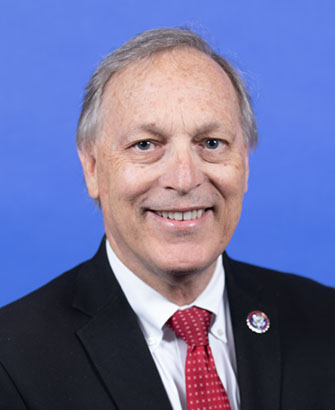
Sponsor
-
TrackBrian Babin
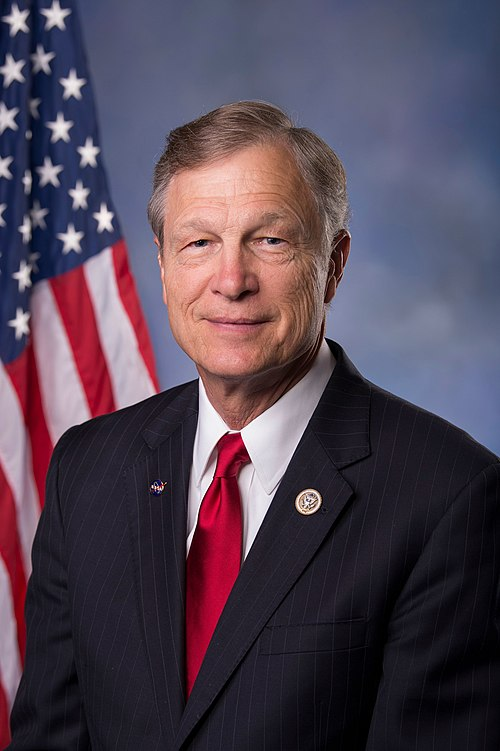
Co-Sponsor
-
TrackAndy Barr
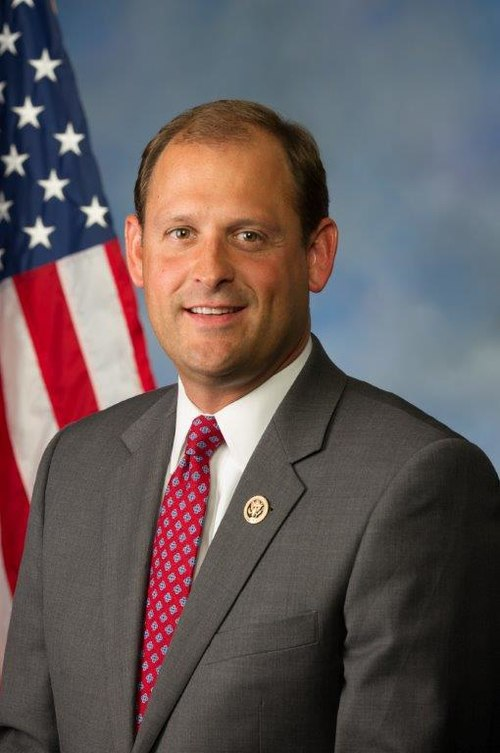
Co-Sponsor
-
TrackSheri Biggs
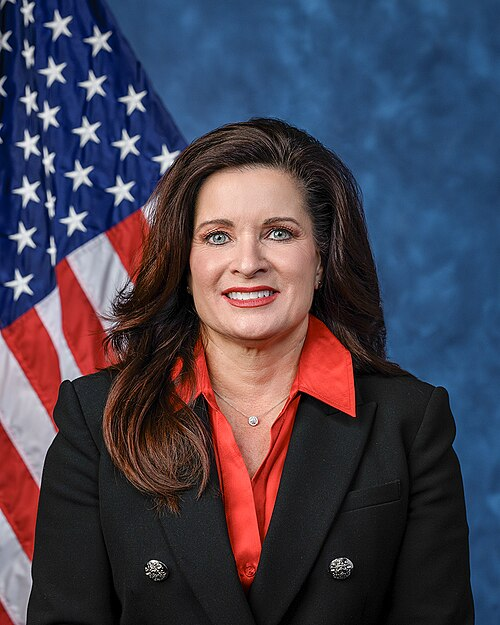
Co-Sponsor
-
TrackLauren Boebert
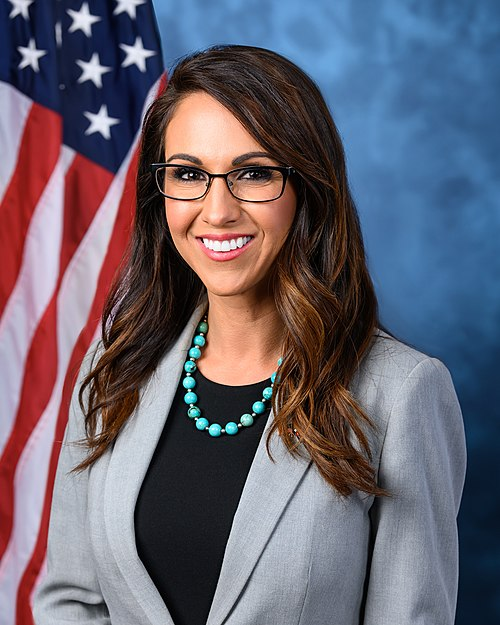
Co-Sponsor
-
TrackBen Cline
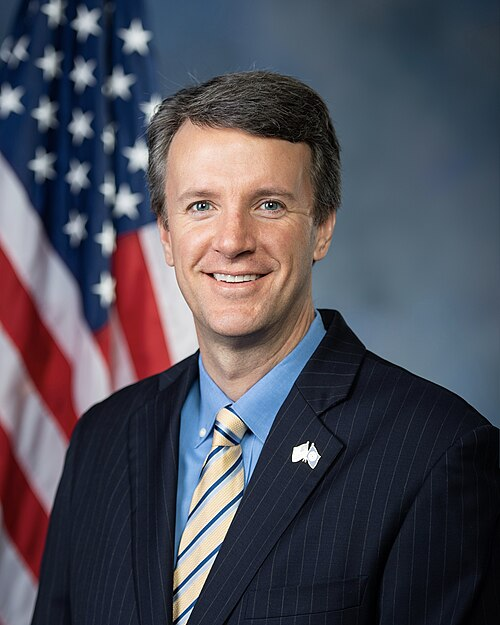
Co-Sponsor
-
TrackMichael Cloud
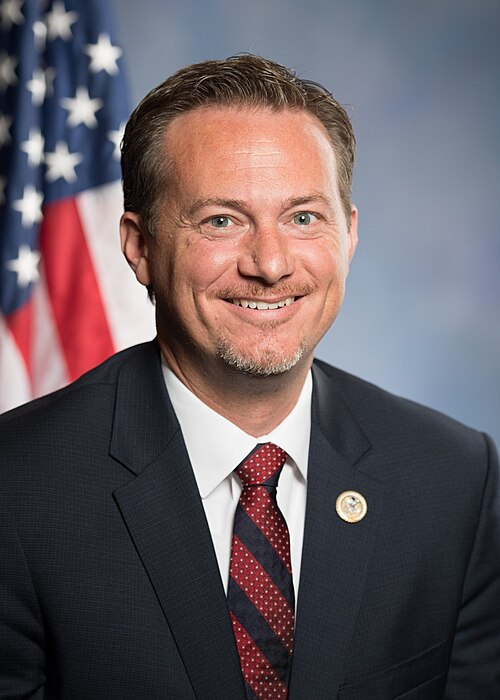
Co-Sponsor
-
TrackMike Collins
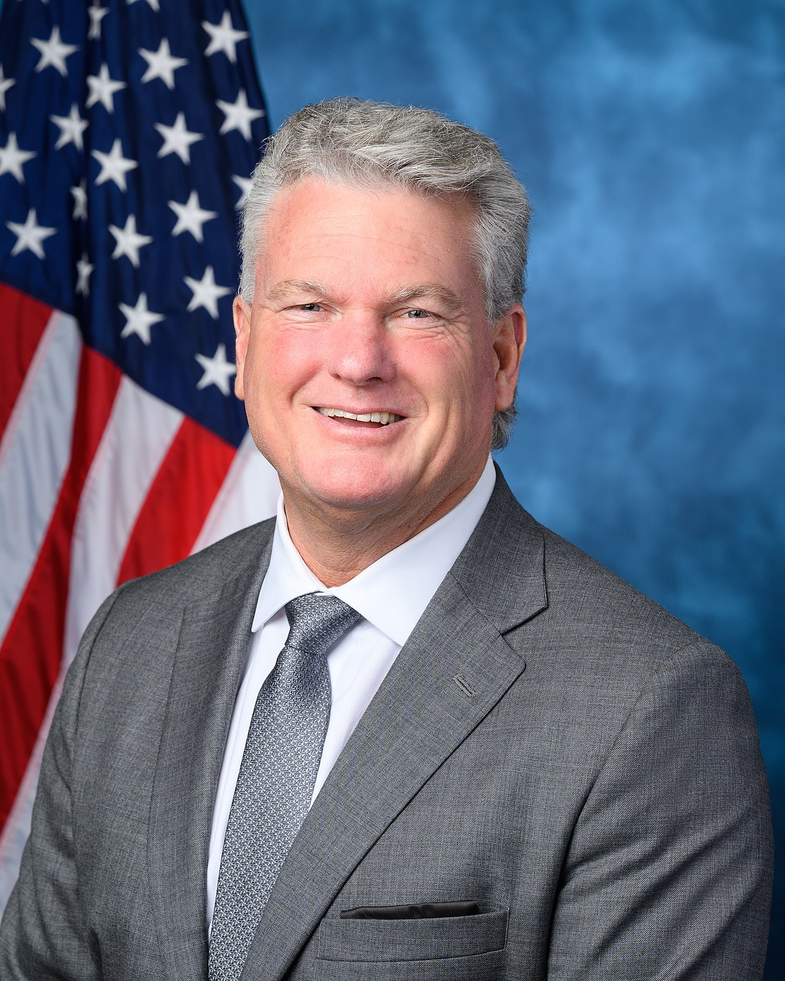
Co-Sponsor
-
TrackWarren Davidson
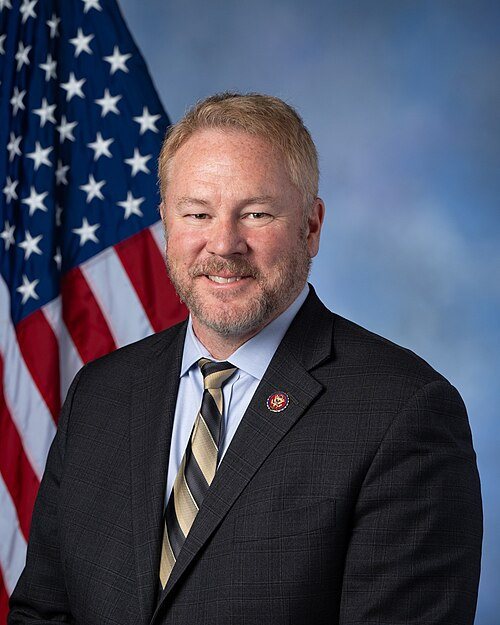
Co-Sponsor
-
TrackByron Donalds
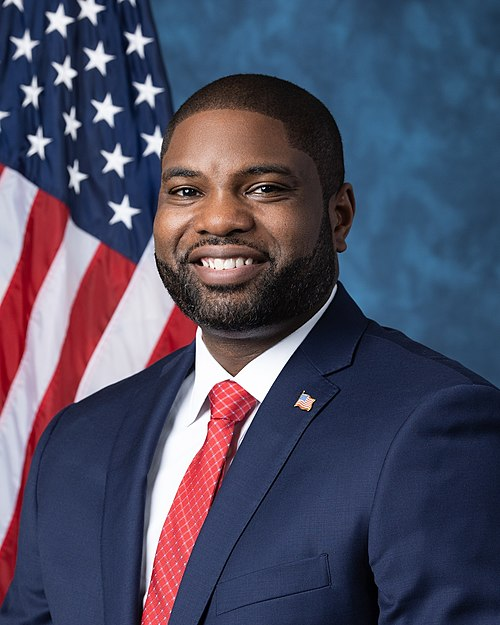
Co-Sponsor
-
TrackTroy Downing
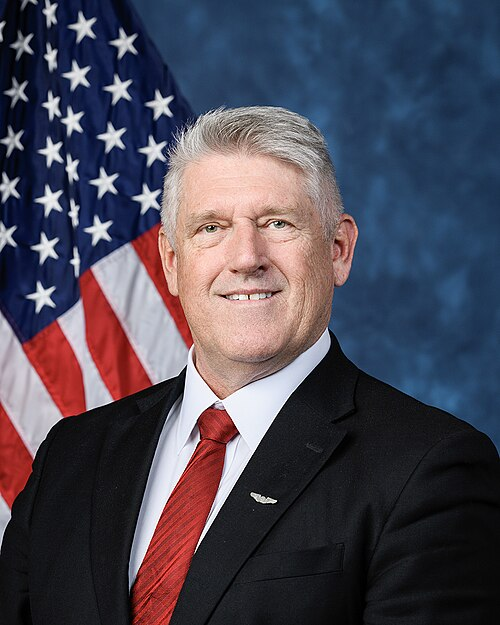
Co-Sponsor
-
TrackRandy Fine

Co-Sponsor
-
TrackRussell Fry
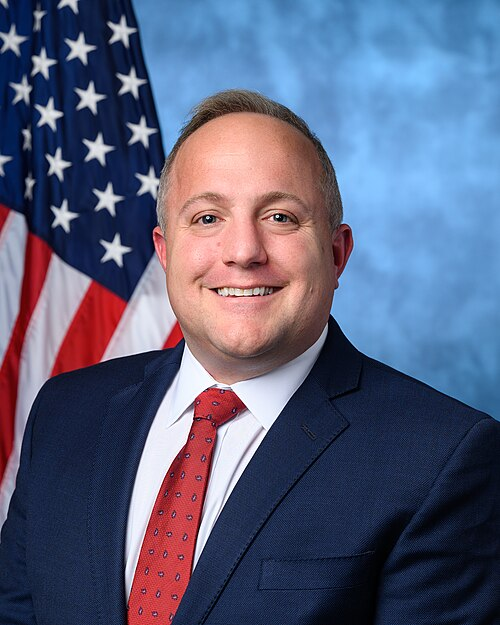
Co-Sponsor
-
TrackBrandon Gill
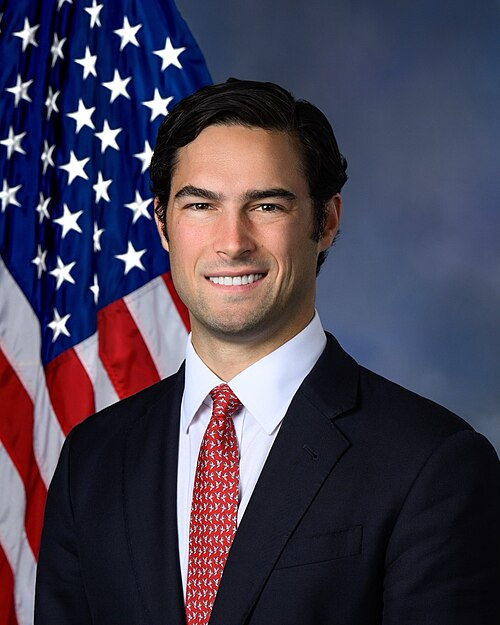
Co-Sponsor
-
TrackPaul A. Gosar

Co-Sponsor
-
TrackGlenn Grothman
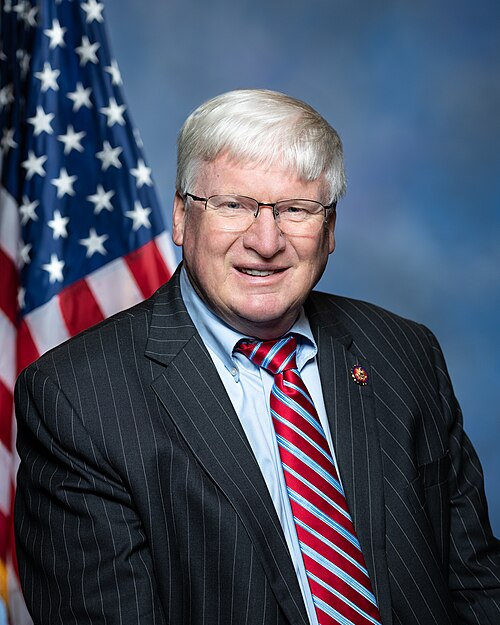
Co-Sponsor
-
TrackWesley Hunt
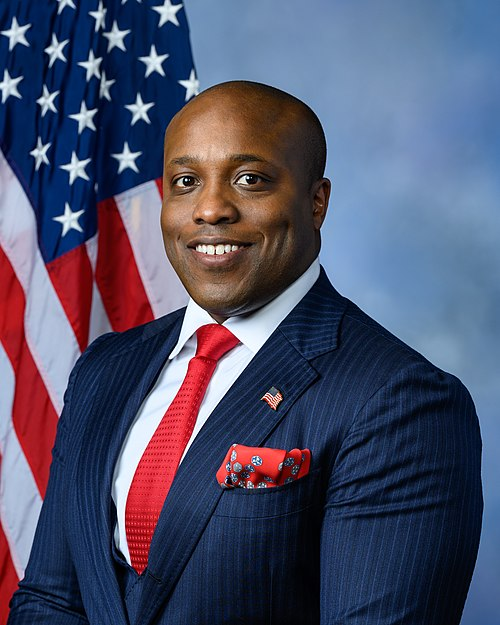
Co-Sponsor
-
TrackBrian Jack
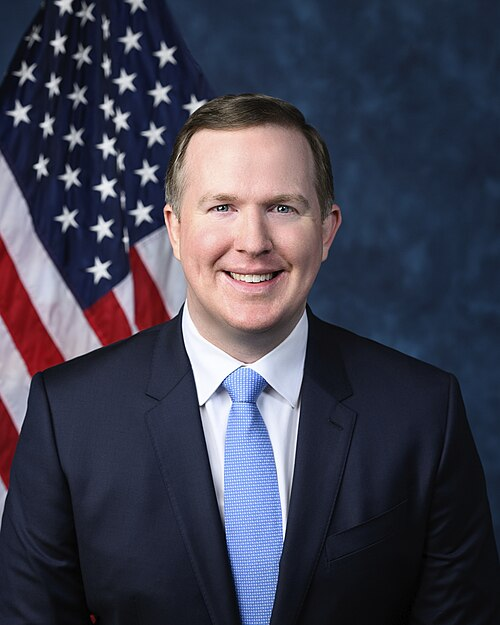
Co-Sponsor
-
TrackNancy Mace
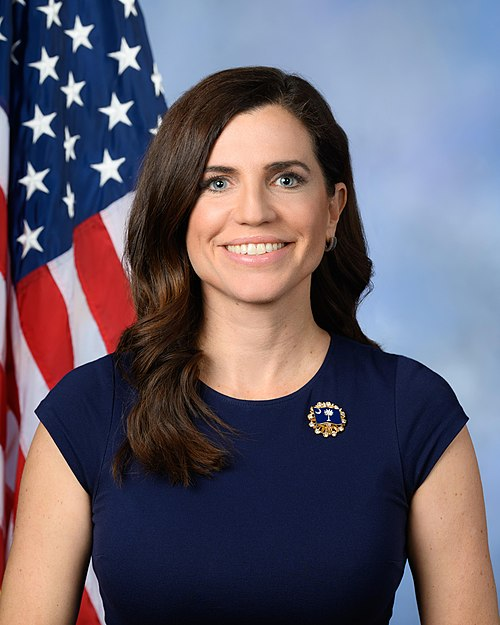
Co-Sponsor
-
TrackTom McClintock
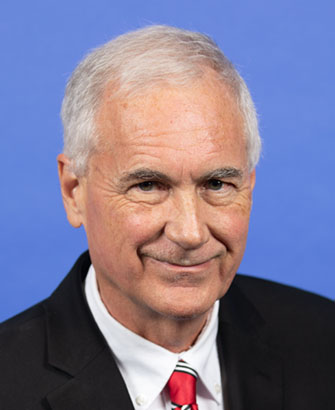
Co-Sponsor
-
TrackMary E. Miller

Co-Sponsor
-
TrackBarry Moore
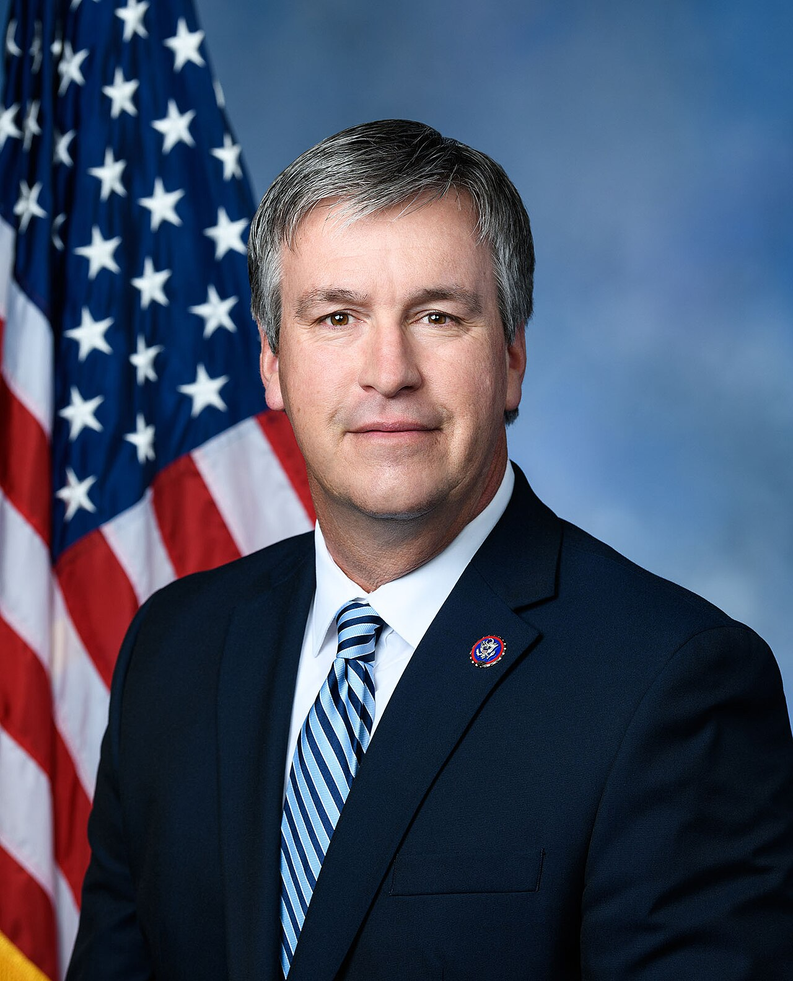
Co-Sponsor
-
TrackRiley Moore

Co-Sponsor
-
TrackTroy E. Nehls
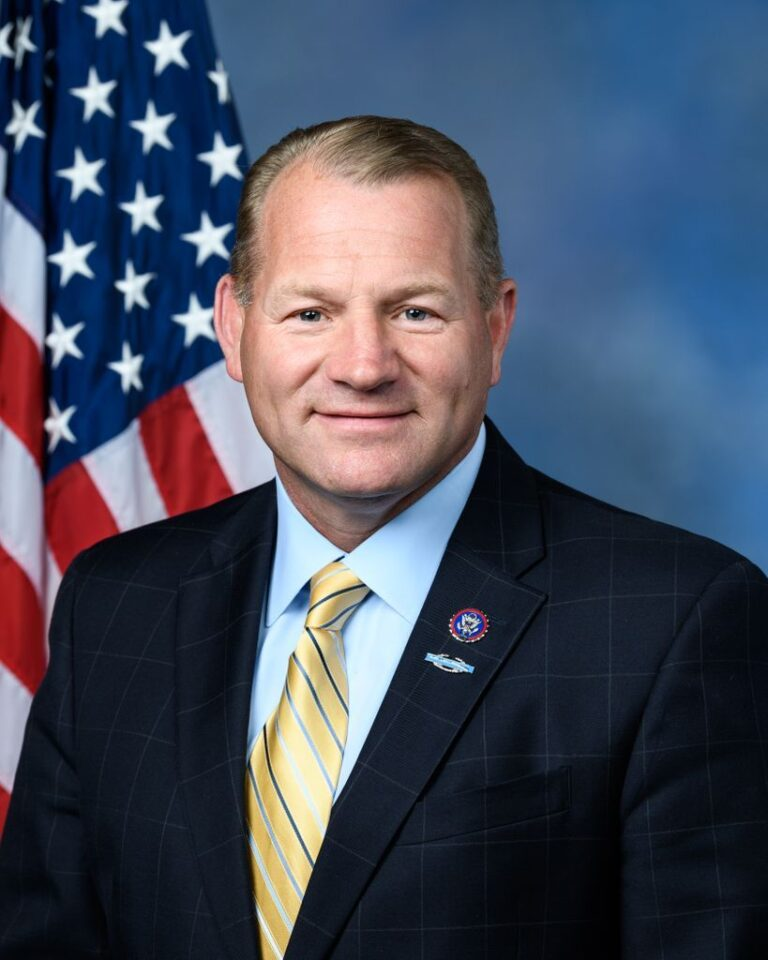
Co-Sponsor
-
TrackRalph Norman
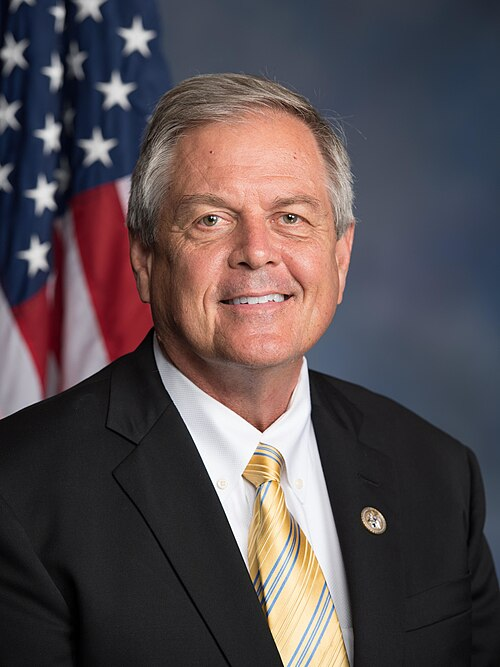
Co-Sponsor
-
TrackAndrew Ogles
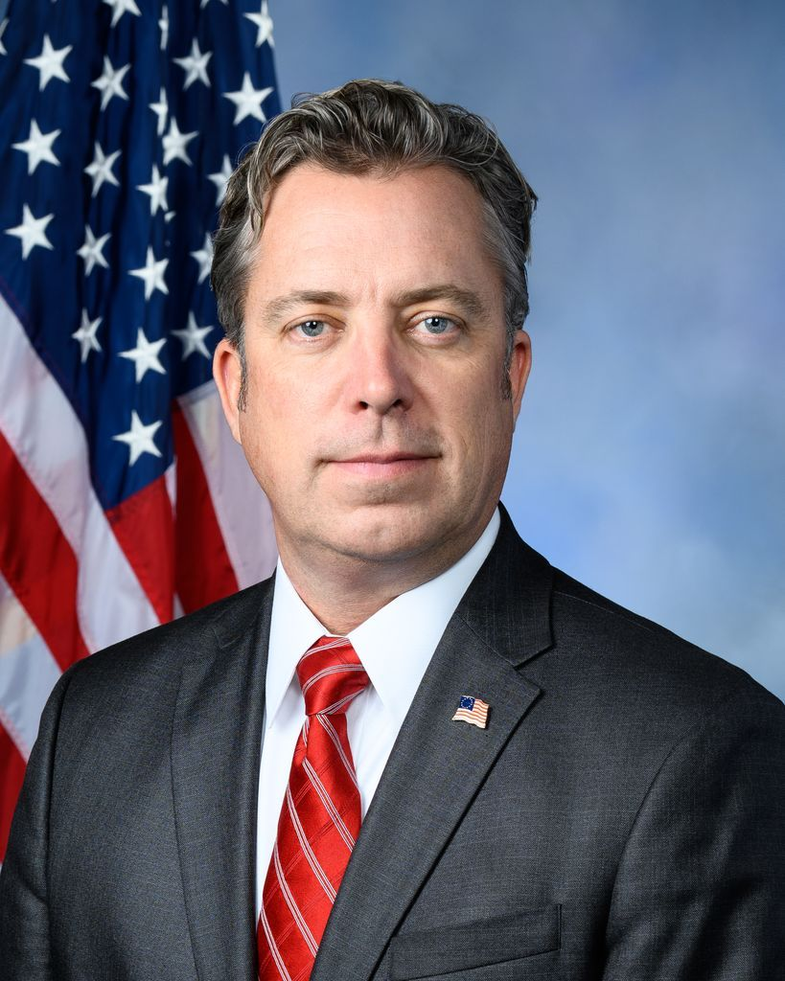
Co-Sponsor
-
TrackScott Perry
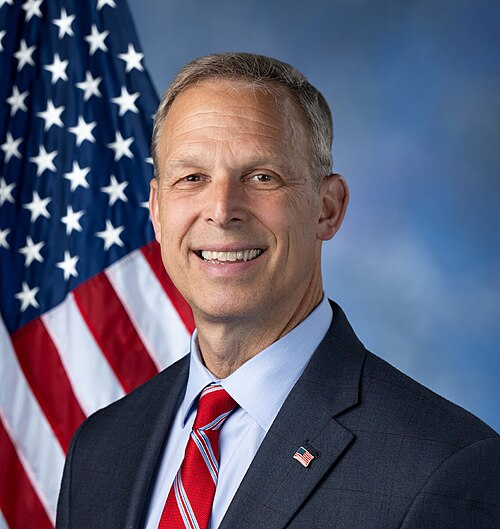
Co-Sponsor
-
TrackAugust Pfluger
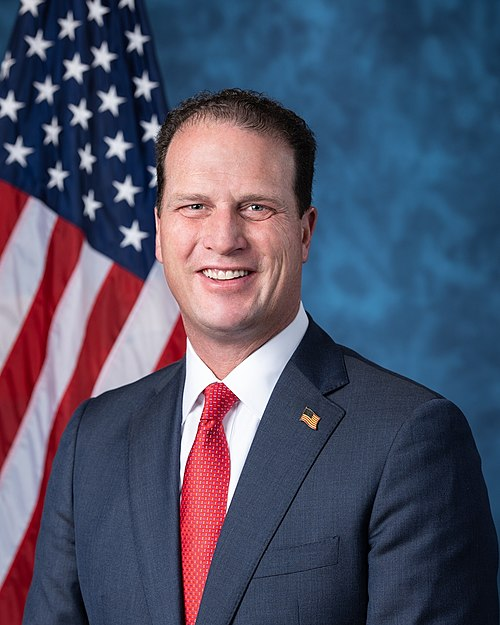
Co-Sponsor
-
TrackChip Roy
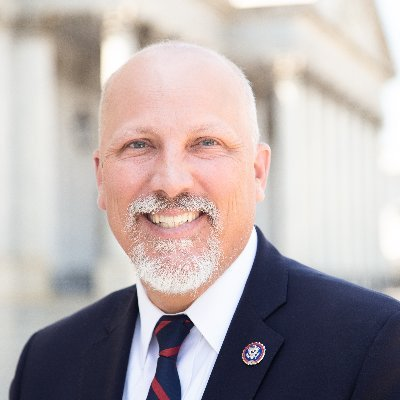
Co-Sponsor
-
TrackKeith Self
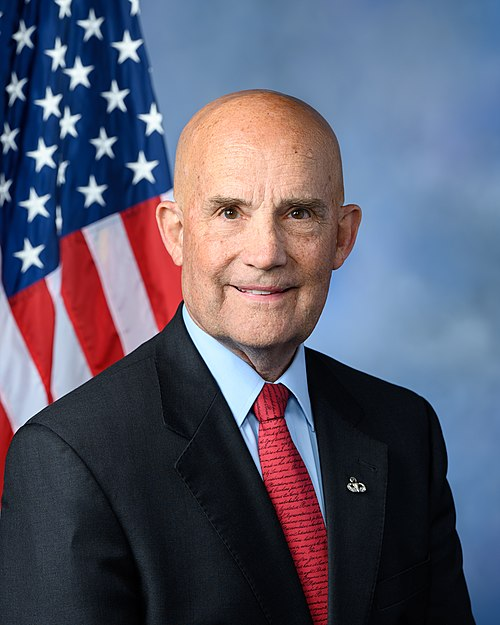
Co-Sponsor
-
TrackW. Gregory Steube
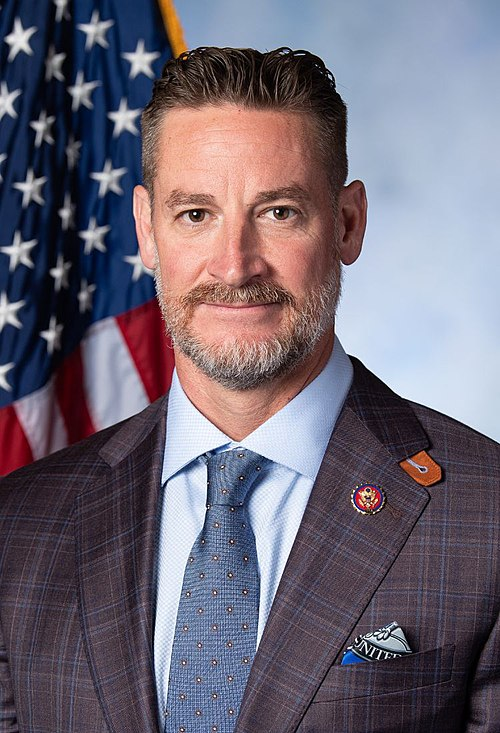
Co-Sponsor
-
TrackAnn Wagner
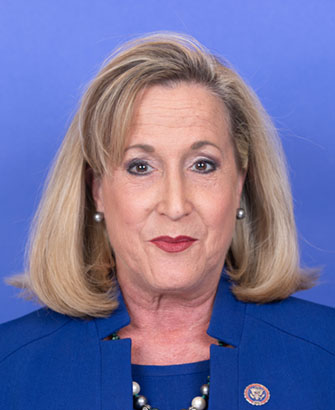
Co-Sponsor
-
Tracknan

Co-Sponsor
Actions
2 actions
| Date | Action |
|---|---|
| Jan. 03, 2025 | Introduced in House |
| Jan. 03, 2025 | Referred to the Committee on the Judiciary, and in addition to the Committee on Foreign Affairs, for a period to be subsequently determined by the Speaker, in each case for consideration of such provisions as fall within the jurisdiction of the committee concerned. |
Corporate Lobbying
0 companies lobbying
None found.
* Note that there can be significant delays in lobbying disclosures, and our data may be incomplete.
Potentially Relevant Congressional Stock Trades
No relevant congressional stock trades found.