H.R. 1148: Stop Misappropriating Ratepayer Tariffs for Excessive Resources Act
This bill, titled the "Stop Misappropriating Ratepayer Tariffs for Excessive Resources Act" or "SMARTER Act," aims to amend the Public Utility Regulatory Policies Act of 1978 regarding the financial framework for electric utilities, particularly concerning smart grid projects. Here’s a breakdown of its main provisions:
1. Repeal of Existing Provision
The bill seeks to repeal a specific section of the Public Utility Regulatory Policies Act that currently outlines how certain costs can be recovered by electric utilities from ratepayers. By doing so, it aims to create a new framework focused on the costs associated with smart grid investments.
2. Prohibition on Cost Recovery for Smart Grid Investments
The key provision of this bill is the prohibition on electric utilities recovering costs related to smart grid systems from their customers. This includes any capital or operational expenditures tied to the deployment of these technologies. Essentially, utilities will not be able to pass the financial burden of implementing smart grid systems directly onto their customers.
3. Obligations for State Regulatory Authorities
The bill lays out new responsibilities for state regulatory authorities:
- Timeline for Consideration: States must begin considering this new prohibition within one year of the bill's enactment and complete their considerations within two years.
- Failure to Comply: States that do not adhere to this new timeline will face specific consequences tied to the implementation of the prohibition.
4. Applicability to Prior State Actions
The new standard will not apply in cases where states have already implemented comparable standards or have taken significant steps toward considering such standards before the bill's enactment date. This ensures that previously established state policies are recognized and not disrupted by the new federal mandate.
5. Prohibition on Recovered Rates in Prior and Pending Cases
It clarifies that in relation to the prohibition regarding smart grid investments, references to the date of enactment will apply to the newly introduced standard rather than previously existing regulations, establishing a clear cutoff for compliance and consideration.
Relevant Companies
- NEE (NextEra Energy, Inc.): As a major player in renewable energy and smart grid technology, this legislation may impact NextEra by preventing them from recouping costs associated with new smart grid investments from customers.
- DUK (Duke Energy Corporation): Duke, similarly involved in upgrading electric grids, may face challenges if it cannot recover costs for its smart grid enhancements through rates charged to customers.
- ED (Consolidated Edison, Inc.): This utility may also be affected by the inability to recover smart grid investment costs, which could impact its financial planning and capital investments.
This is an AI-generated summary of the bill text. There may be mistakes.
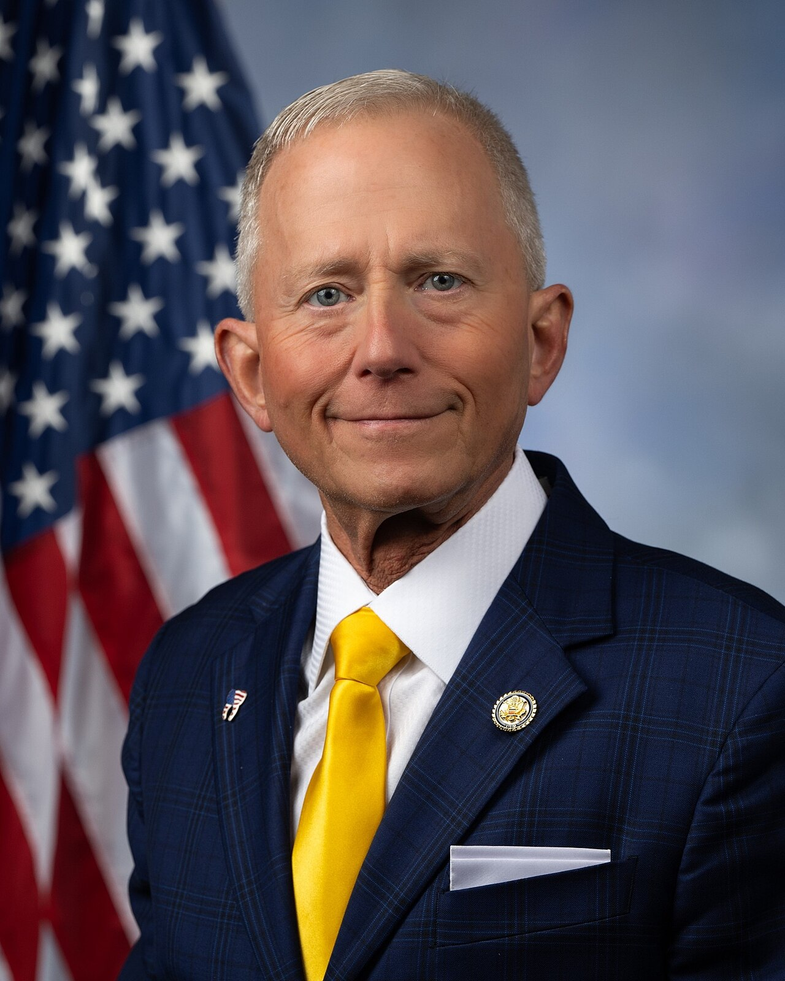
Sponsors
1 sponsor
Actions
2 actions
| Date | Action |
|---|---|
| Feb. 07, 2025 | Introduced in House |
| Feb. 07, 2025 | Referred to the House Committee on Energy and Commerce. |
Corporate Lobbying
0 companies lobbying
None found.
* Note that there can be significant delays in lobbying disclosures, and our data may be incomplete.