
H.R. 10277: Access to School Supplies Act of 2026
This bill would create a temporary federal grant program to help certain public school districts buy school supplies for students and school staff.
What the program would do
The Secretary of Education would run a pilot program that awards competitive grants each year to no more than 10 qualified local educational agencies—in plain terms, school districts or similar local school systems that serve one or more high-poverty public schools.
The goal is to let those districts provide school supplies at no cost to students and instructional staff, improve access to needed materials, and support academic achievement, especially for low-income students.
Who could receive money
To qualify, a district must serve at least one high-poverty school and agree to use the money only for those schools. A high-poverty school is defined as a public school in the top half of schools in a state based on the share of students from low-income families.
The Secretary of Education would give priority to applicants showing the greatest need. The bill also says the program should try, as much as practical, to include districts in urban, suburban, and rural areas.
What the money could be used for
Grant funds could be used to buy school supplies for:
- students participating in classroom activities, and
- instructional staff providing those activities.
The bill defines school supplies broadly to include books, supplies, and supplementary materials used in the classroom, as determined by the Secretary of Education.
Districts could also contract with outside entities to help carry out these activities.
Special set-asides
Before distributing the main grants, the bill would reserve:
- 0.5% of the total funding for the outlying areas: American Samoa, the Northern Mariana Islands, Guam, and the U.S. Virgin Islands; and
- 0.5% for the Bureau of Indian Education to support schools it operates or funds.
Outlying areas and Bureau of Indian Education schools would not have to submit the same application as other applicants in order to receive their reserved funds.
Limits and reporting
Districts receiving grants could use no more than 2% of the grant for administrative costs, including preparing required reports.
Each year, recipients would have to report to the Department of Education details such as:
- which schools received supplies,
- how much money was spent at each school,
- what supplies were provided,
- how many students received supplies directly,
- how many instructional staff received supplies directly, and
- which outside entities were used, if any.
The bill also says the grant money must supplement, not replace, existing non-federal funding.
Duration and funding
No grants could be awarded after September 30, 2031. The bill authorizes $100 million per year for fiscal years 2027 through 2031 to carry out the program.
Relevant Companies
None found
This is an AI-generated summary of the bill text. There may be mistakes.
Sponsors
16 bill sponsors
-
TrackSummer L. Lee
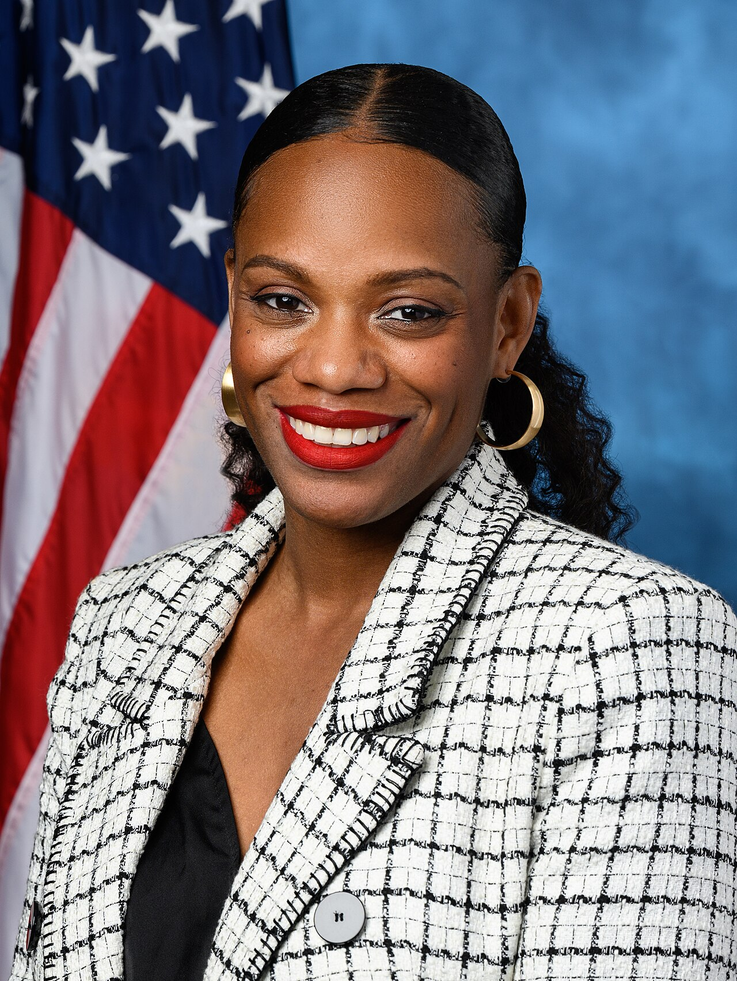
Sponsor
-
TrackAlma S. Adams
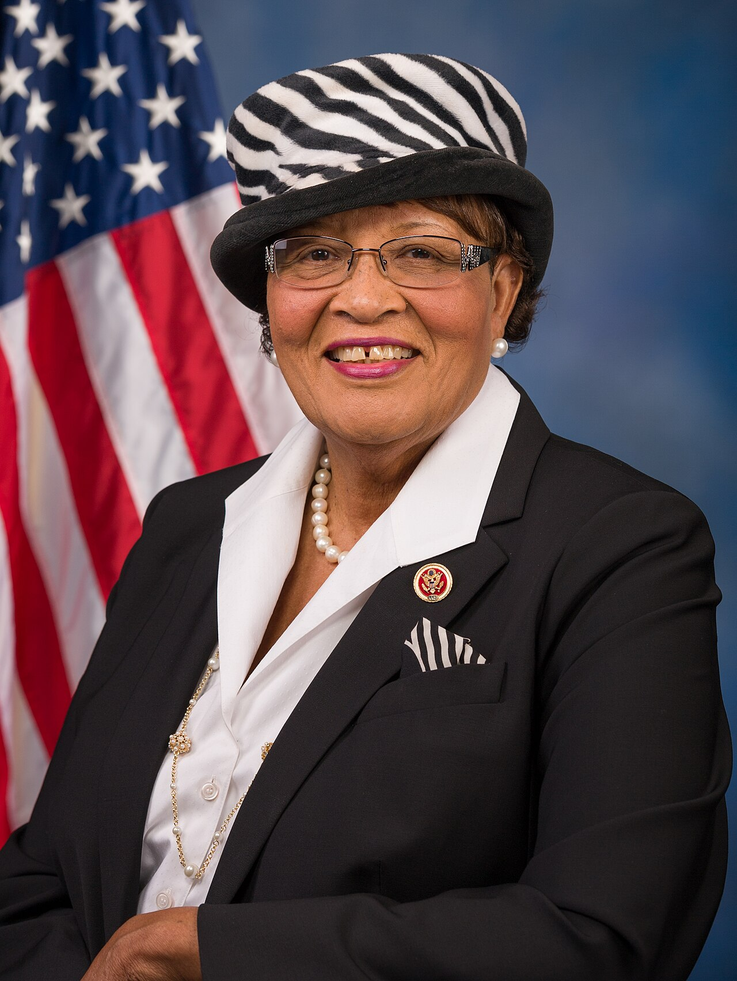
Co-Sponsor
-
TrackWesley Bell
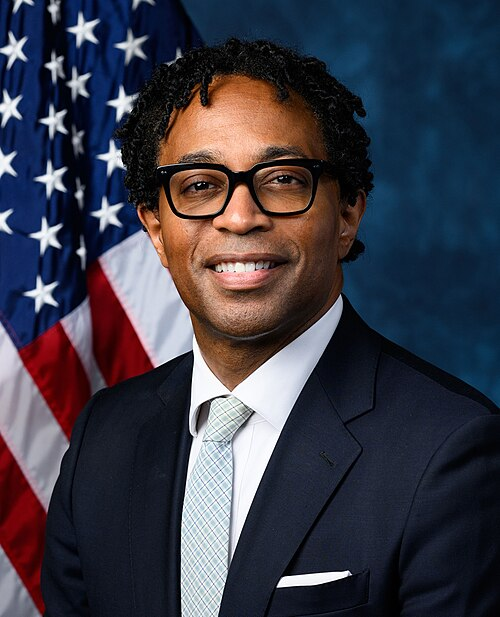
Co-Sponsor
-
TrackSuzanne Bonamici
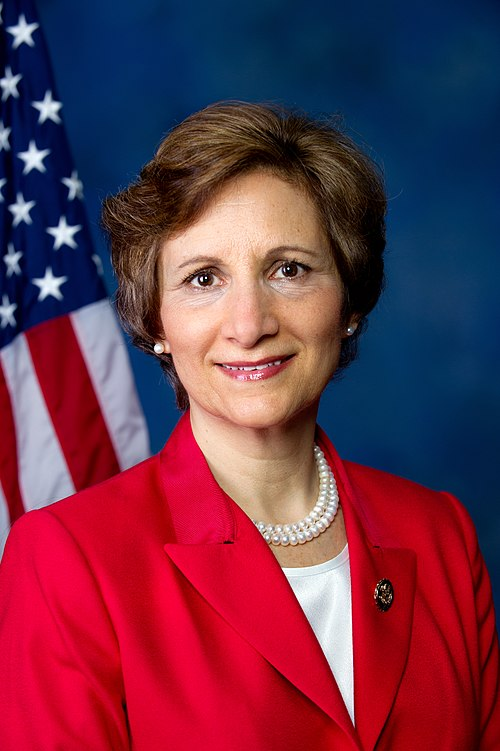
Co-Sponsor
-
TrackShontel M. Brown
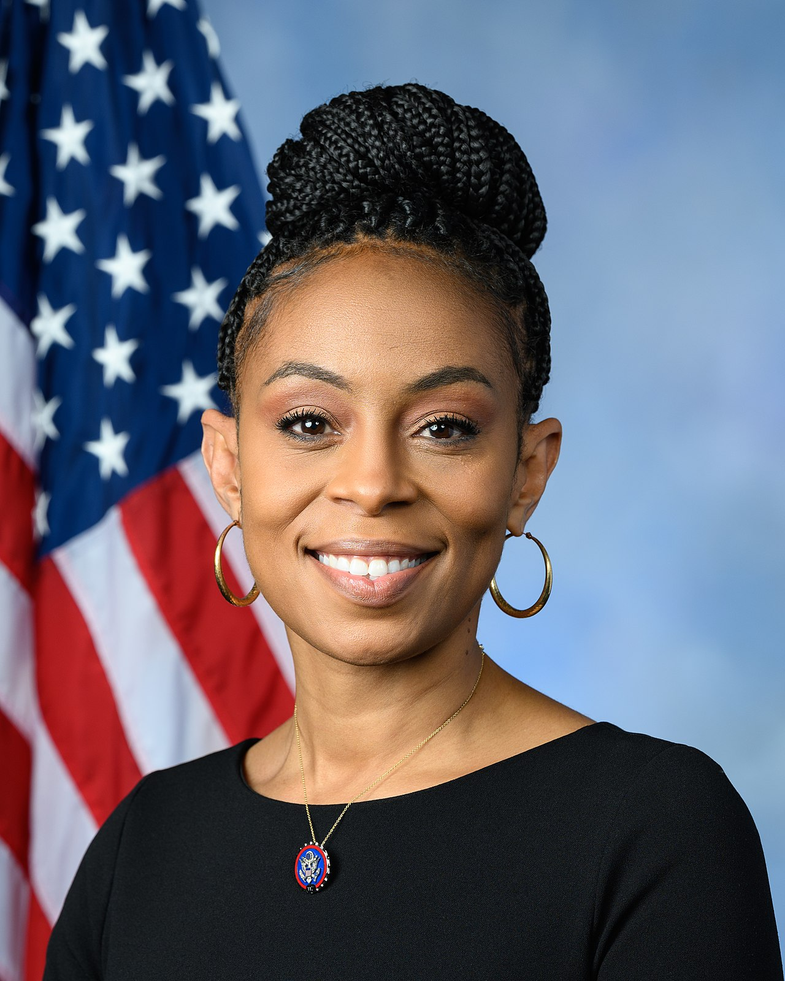
Co-Sponsor
-
TrackTroy A. Carter
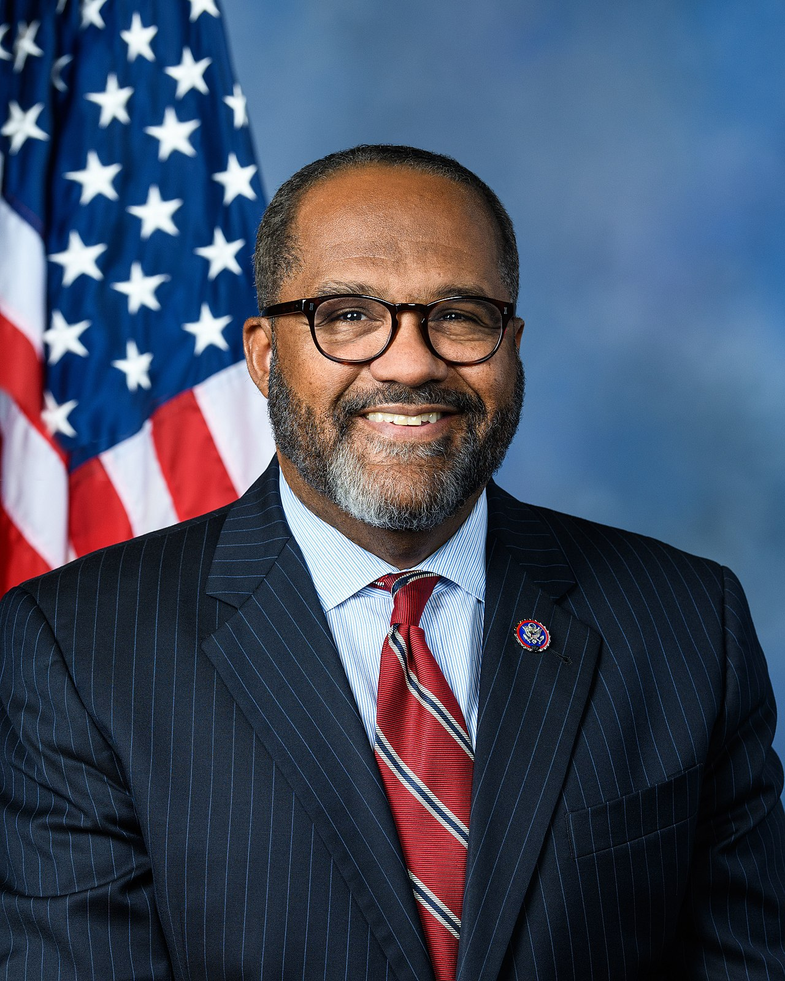
Co-Sponsor
-
TrackGreg Casar

Co-Sponsor
-
TrackYvette D. Clarke
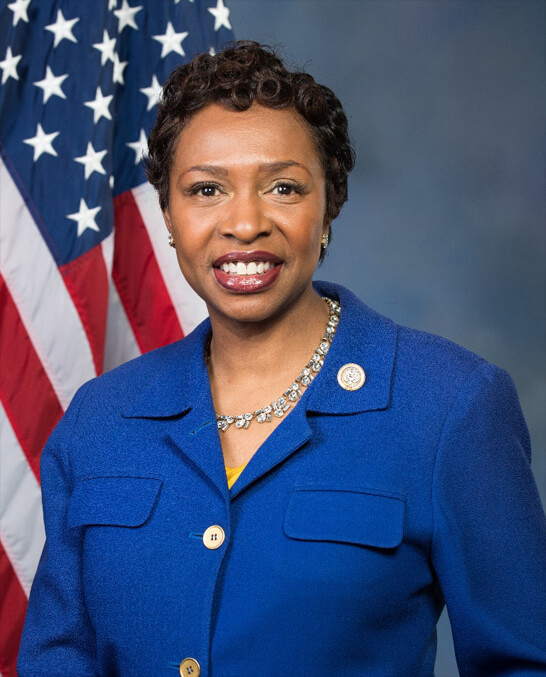
Co-Sponsor
-
TrackJesús G. "Chuy" García
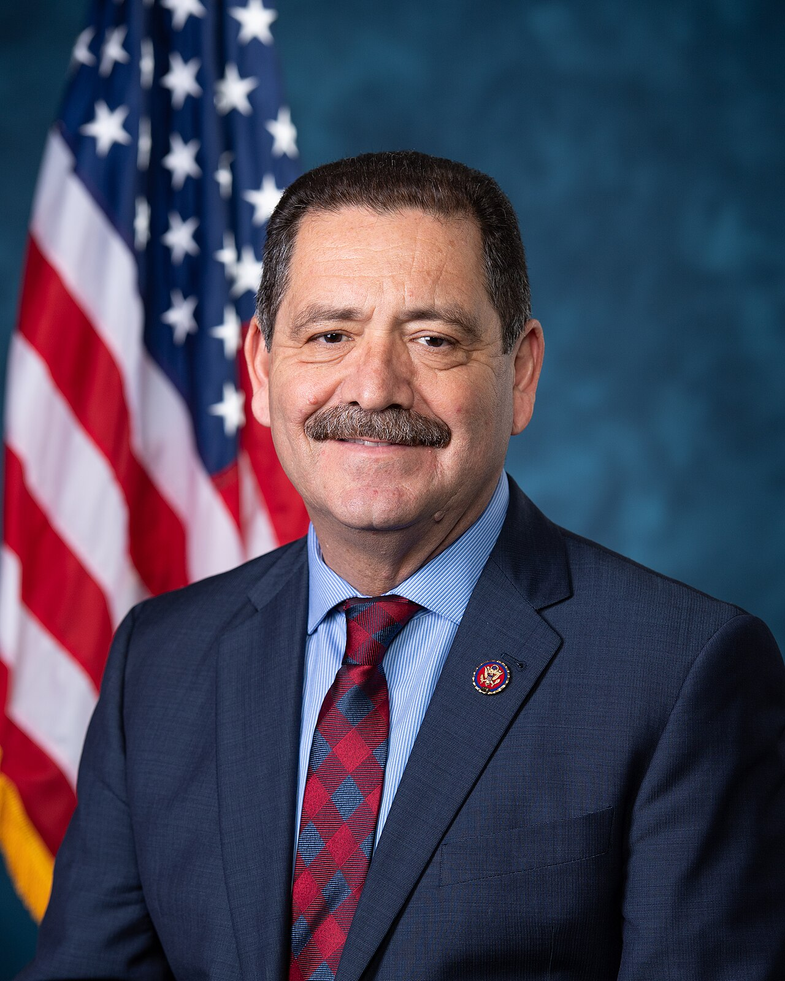
Co-Sponsor
-
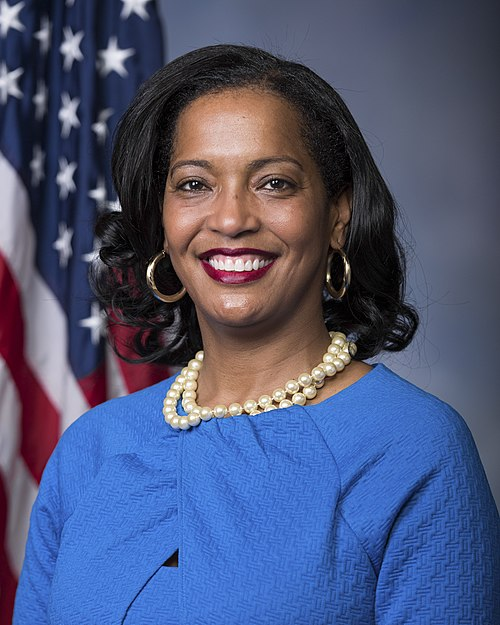
TrackJahana Hayes
Co-Sponsor
-
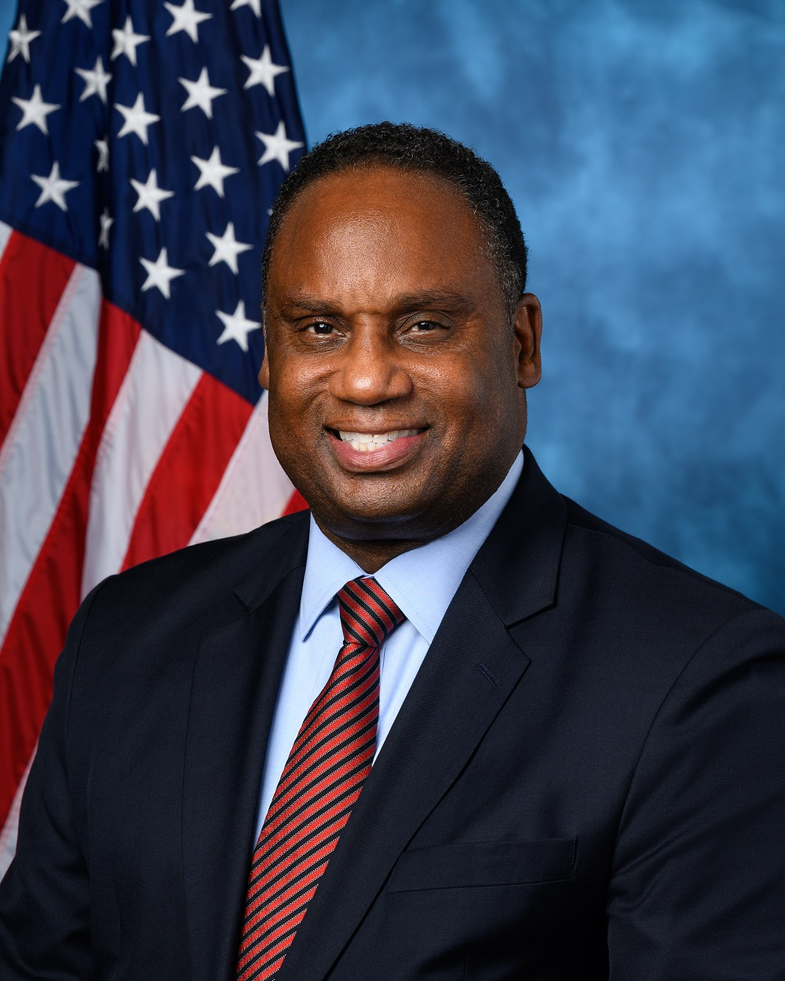
TrackJonathan L. Jackson
Co-Sponsor
-
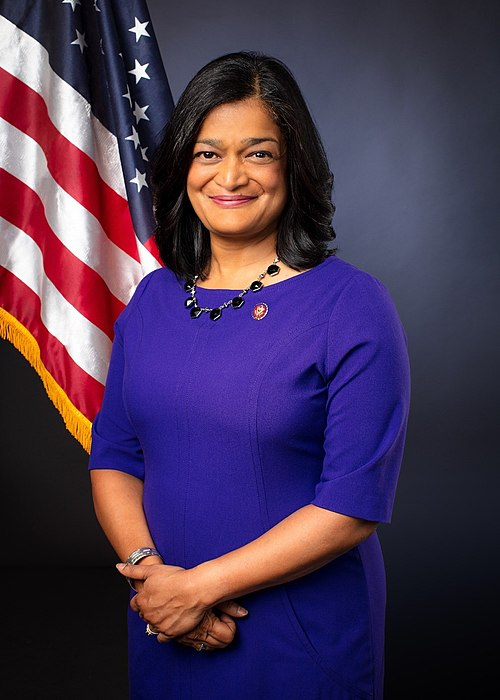
TrackPramila Jayapal
Co-Sponsor
-
TrackEleanor Holmes Norton

Co-Sponsor
-
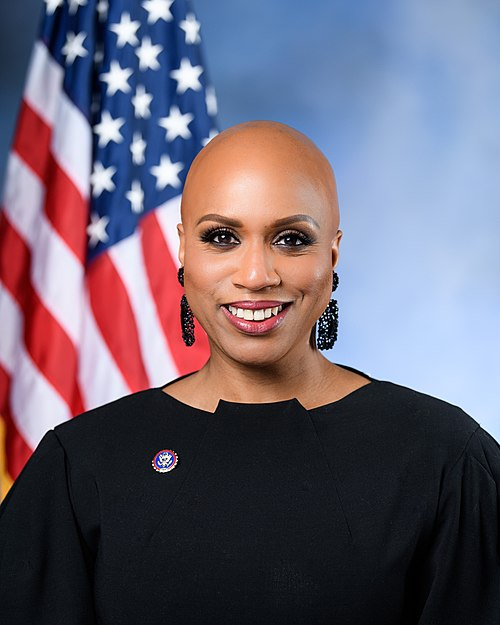
TrackAyanna Pressley
Co-Sponsor
-
TrackRashida Tlaib
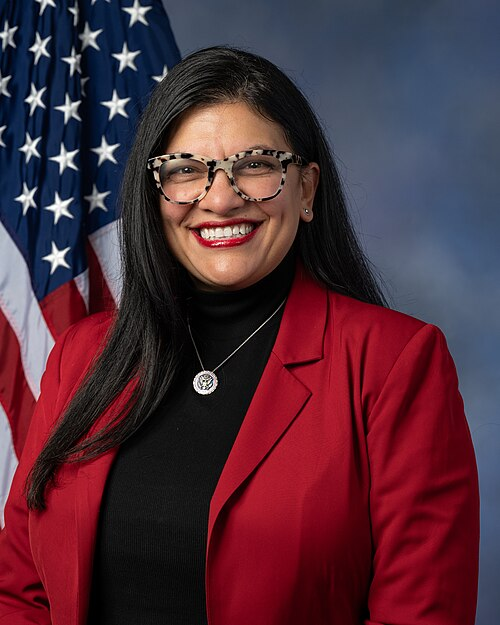
Co-Sponsor
-
TrackFrederica S. Wilson
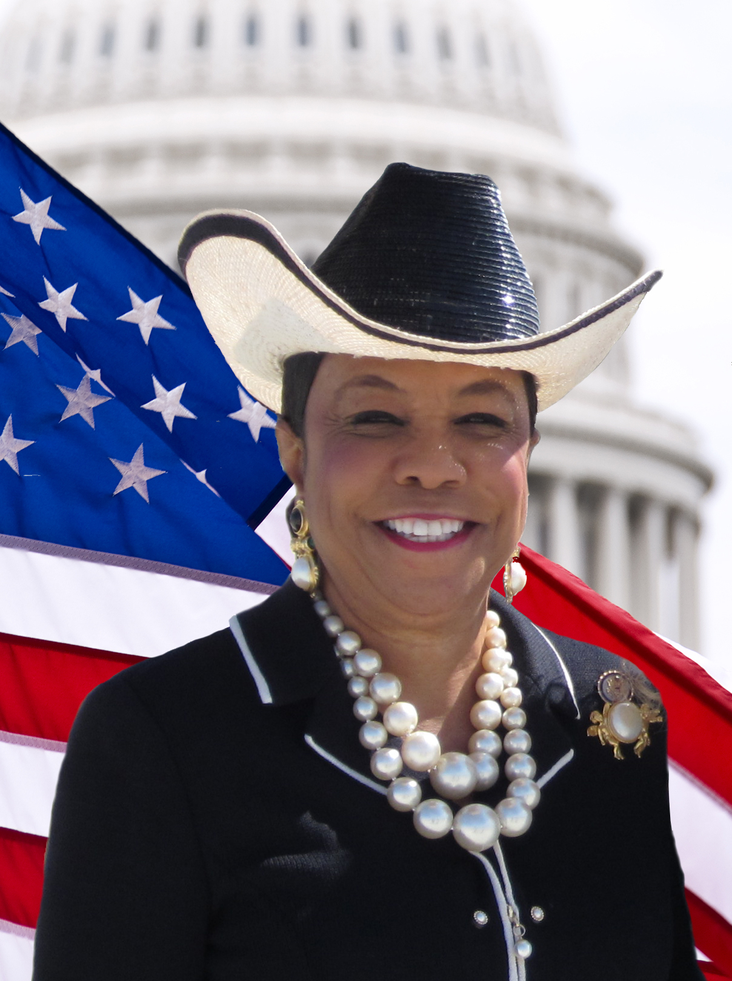
Co-Sponsor
Actions
2 actions
| Date | Action |
|---|---|
| Sep. 03, 2026 | Introduced in House |
| Sep. 03, 2026 | Referred to the House Committee on Education and Workforce. |
Corporate Lobbying
0 companies lobbying
None found.
* Note that there can be significant delays in lobbying disclosures, and our data may be incomplete.
Potentially Relevant Congressional Stock Trades
No relevant congressional stock trades found.