
H.R. 10270: Supporting 9–8–8 Crisis Stabilization Act
This bill would change how Medicaid treats certain mental health and substance use treatment facilities under the law’s “institutions for mental diseases” rule, often called the IMD exclusion. In general, Medicaid has limits on paying for care in facilities that qualify as IMDs, which are usually large institutions that primarily treat mental illness or substance use disorders.
What changes
The bill would say that several types of facilities would not count as IMDs for Medicaid purposes:
- Certified community behavioral health clinics that participate in a federal demonstration program.
- Community mental health centers that meet existing federal standards.
- Crisis receiving and stabilization facilities.
- Mental health and substance use urgent care facilities.
New facility types defined in the bill
The bill defines a crisis receiving and stabilization facility as a facility that:
- is licensed or certified under state law to provide crisis response services;
- is open 24 hours a day, 7 days a week;
- provides at least 23 hours of observation and assessment, followed by up to 48 hours of crisis stabilization services, including withdrawal management and 24-hour medical monitoring;
- does not refuse or limit care based on a person’s ability to pay, residence, criminal justice history, severity of condition, disability, age, or similar factors;
- uses discounts or sliding-scale fees based on ability to pay;
- accepts referrals from law enforcement, emergency medical personnel, and family members; and
- keeps the average stay under 150 hours.
The bill defines a mental health and substance use urgent care facility as a place where someone in crisis can walk in without an appointment to get crisis assessment, crisis intervention, medication, and referrals or connections to other services.
Federal guidance and reporting
The bill would require the Secretary of Health and Human Services to issue guidance to states within 180 days on how to carry out these changes.
It would also require a report to Congress within one year, prepared by the Secretary in collaboration with the Attorney General and other relevant federal officials. The report would cover:
- how often crisis receiving and stabilization facilities are used;
- how many patients they serve;
- what services are provided and for how long;
- how many people are referred to outpatient community care afterward;
- trends in referrals from law enforcement; and
- whether access to these facilities is associated with fewer emergency room admissions, fewer admissions or readmissions to psychiatric hospitals and other IMDs, and fewer incarcerations in state or county facilities.
Overall effect
In practical terms, the bill would make it easier for Medicaid to support certain short-term crisis mental health and substance use treatment settings. It is aimed at expanding access to crisis stabilization options and tracking whether those services reduce pressure on emergency rooms, hospitals, and the justice system.
Relevant Companies
None found
This is an AI-generated summary of the bill text. There may be mistakes.
Sponsors
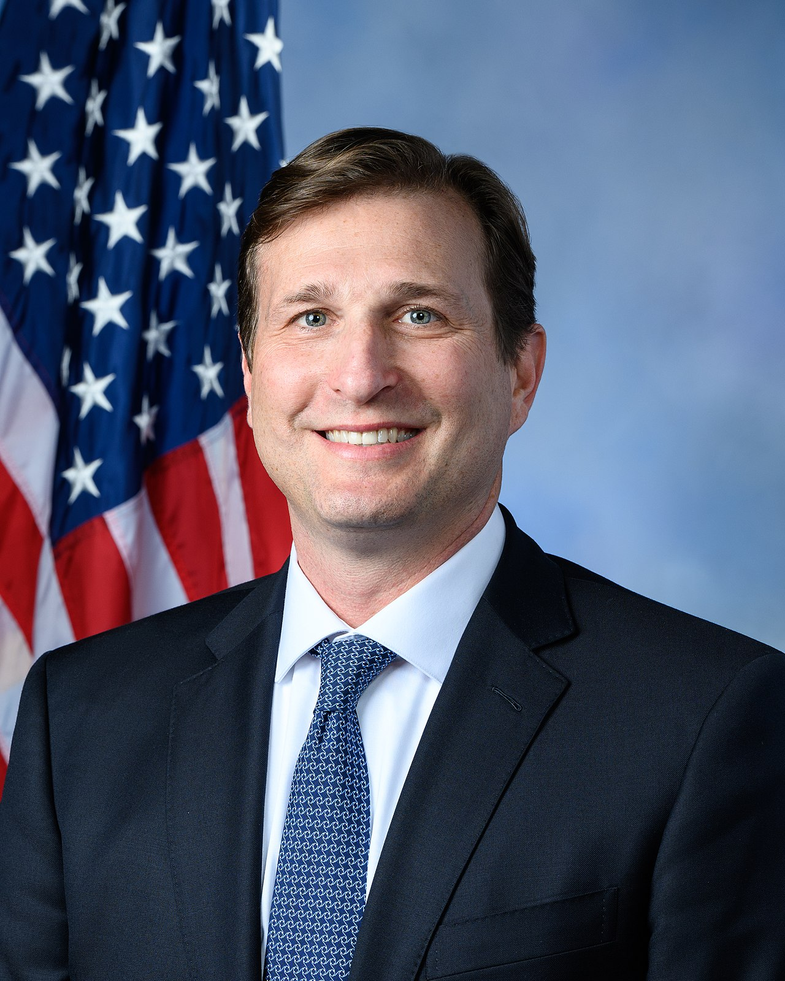
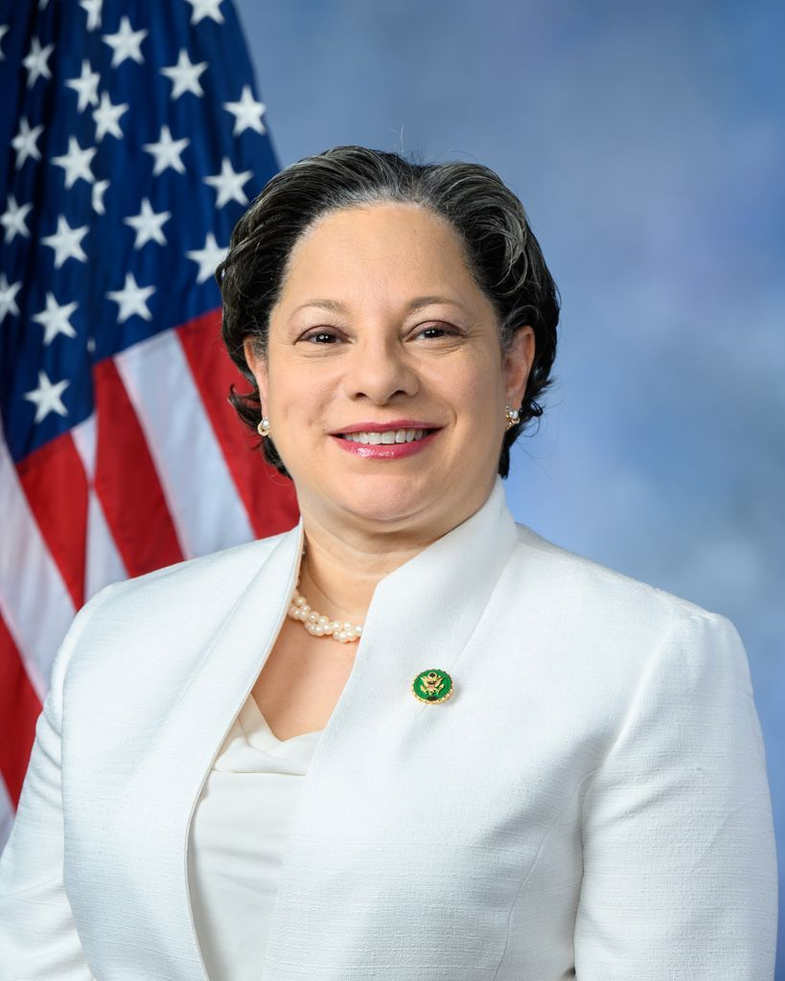
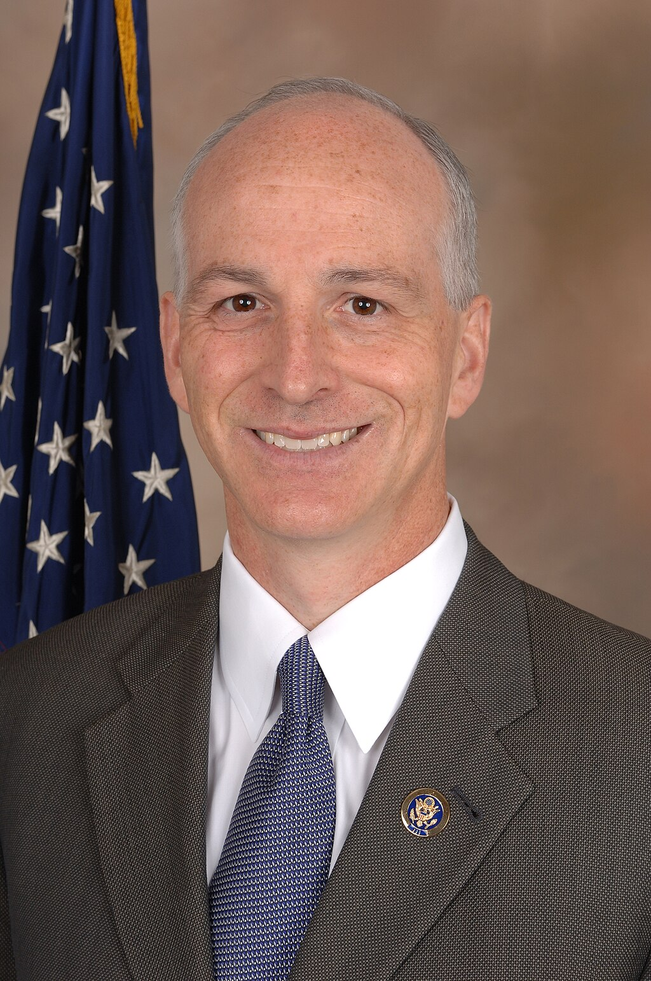
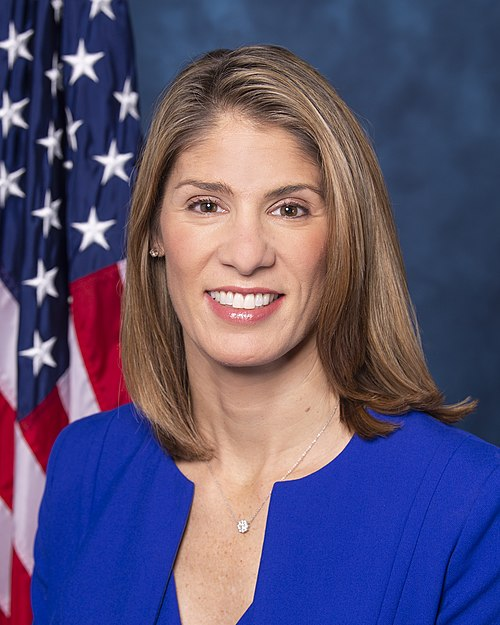
6 bill sponsors


Actions
2 actions
| Date | Action |
|---|---|
| Sep. 03, 2026 | Introduced in House |
| Sep. 03, 2026 | Referred to the House Committee on Energy and Commerce. |
Corporate Lobbying
0 companies lobbying
None found.
* Note that there can be significant delays in lobbying disclosures, and our data may be incomplete.
Potentially Relevant Congressional Stock Trades
No relevant congressional stock trades found.