
H.R. 10215: Workforce Mobility Act of 2026
This bill would generally ban noncompete agreements between employers and workers. In plain terms, it would stop companies from using contracts that bar a worker, after leaving a job, from:
- working for a competitor for a set period of time,
- working in a certain geographic area, or
- doing similar work for another employer.
The bill says these agreements would have no force or effect if they are entered into after the law takes effect, with a few exceptions.
What would still be allowed
The bill preserves some limited noncompete agreements in business-sale and partnership situations:
- Business sales: When someone sells a business, the buyer may require the seller to agree not to start a similar business in a defined area where the business already operated.
- Senior executives in business sales: A buyer or seller may use a limited noncompete for a senior executive official tied to a business sale, but only if certain severance terms are met and the restriction lasts no more than one year.
- Partnership dissolutions: Partners may agree that, if the partnership ends or a partner leaves, that partner will not run a similar business in a defined area where the partnership had done business.
Trade secrets remain protected
The bill makes clear that employers can still use agreements to protect trade secrets. So while they could not broadly block a former worker from competing, they could still require the worker not to disclose confidential trade-secret information.
Notice requirements
Employers would have to post notice of the law in a visible place at the workplace or where employee notices are normally posted, including electronically if that is standard practice.
The Secretary of Labor would also be allowed to run a public awareness campaign about the law.
Enforcement
The bill would be enforced in several ways:
- Federal Trade Commission: Violations would be treated as unfair or deceptive acts or practices under FTC law.
- Department of Labor: The Secretary of Labor would investigate possible violations and could bring court actions on behalf of affected individuals.
- Private lawsuits: A worker harmed by a violation could sue in federal court for actual damages, and potentially recover costs and attorney’s fees if successful.
- State attorneys general: State AGs could bring lawsuits on behalf of residents to stop violations and seek damages or other relief.
The bill also says that predispute arbitration agreements and class-action waivers would not be enforceable for claims under this law.
Rulemaking and reporting
The Department of Labor, working with the FTC, would have to issue regulations to carry out the law. The FTC and Labor Department would also each have to report to Congress on enforcement actions after the regulations are issued.
Relevant Companies
- None found
This is an AI-generated summary of the bill text. There may be mistakes.
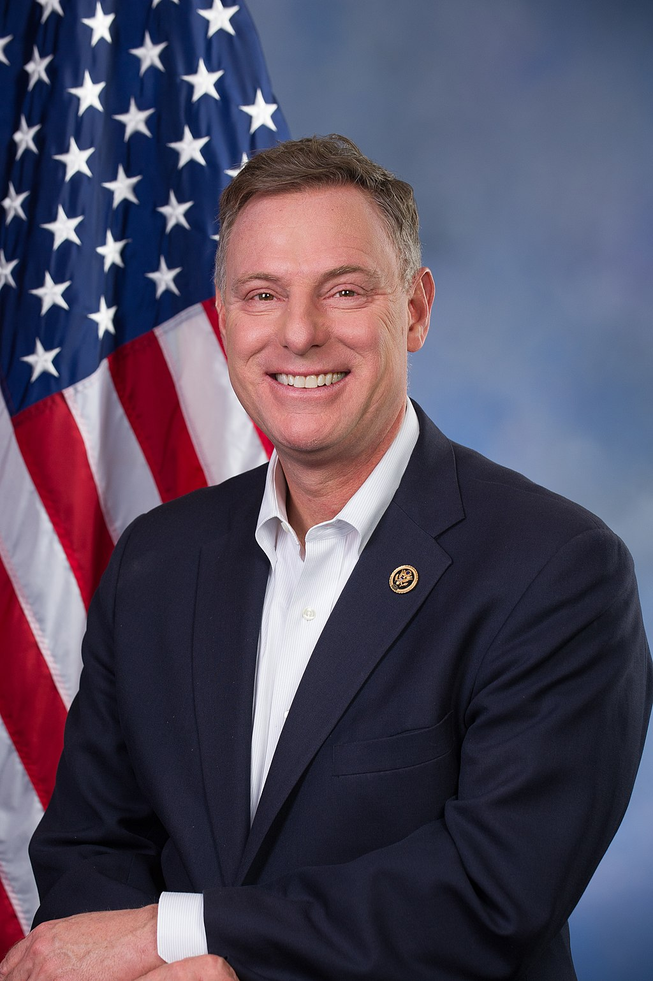
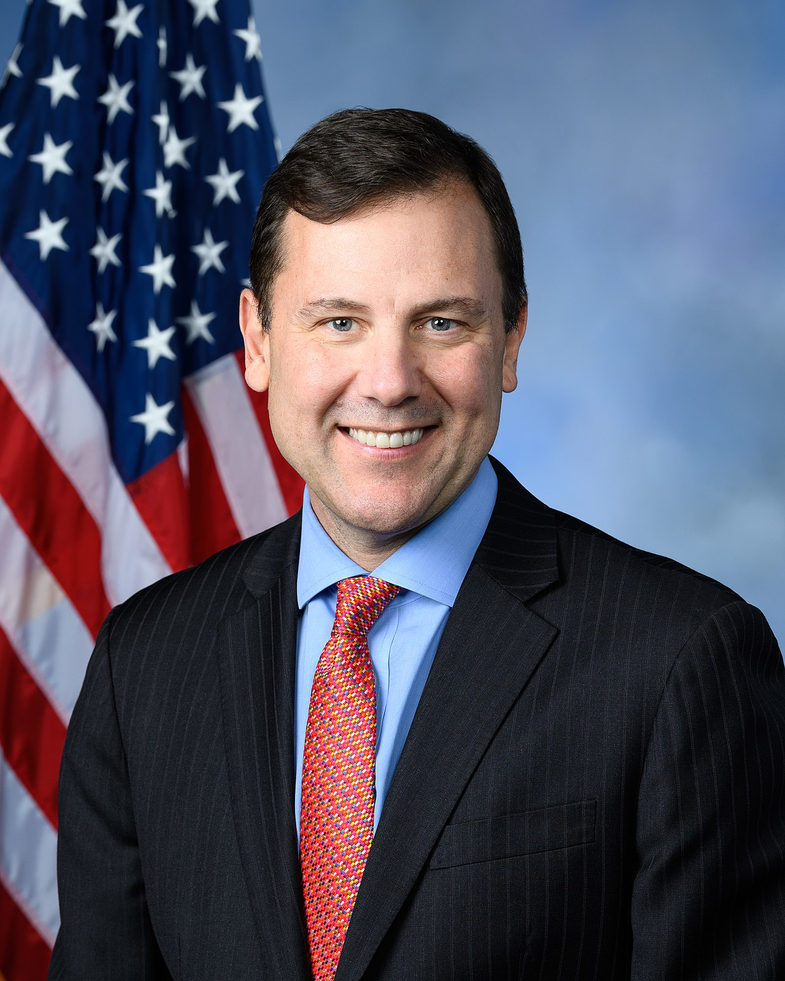
Sponsors
2 bill sponsors
Actions
2 actions
| Date | Action |
|---|---|
| Sep. 01, 2026 | Introduced in House |
| Sep. 01, 2026 | Referred to the Committee on Energy and Commerce, and in addition to the Committee on Education and Workforce, for a period to be subsequently determined by the Speaker, in each case for consideration of such provisions as fall within the jurisdiction of the committee concerned. |
Corporate Lobbying
0 companies lobbying
None found.
* Note that there can be significant delays in lobbying disclosures, and our data may be incomplete.
Potentially Relevant Congressional Stock Trades
No relevant congressional stock trades found.