H.R. 10125: No Preferential Release Of Federal Information for Transactions Act
This bill would make it illegal to use private, early-access information from certain government officials’ social media accounts to make trades or other financial bets before that information is publicly available.
What accounts and people are covered
The bill applies to social media accounts controlled by:
- The President and Vice President
- Members of Congress and congressional staff
- Executive branch employees, including many political appointees and some military and postal workers
- Judges and judicial employees
- Certain family members of those officials
It also covers some people acting on behalf of those officials or agencies. The coverage continues for 180 days after the person leaves office or the covered job.
What information is covered
The bill focuses on material information shared through a covered government official’s social media account. “Material” means information that a reasonable investor would consider important when deciding whether to trade.
The bill also defines “prioritized access” as getting access to that communication earlier than the public, or getting it through a method that gives a meaningful timing or access advantage over ordinary users.
What would be prohibited
If someone knows, or should know, that they are seeing this nonpublic information through prioritized access, they could not:
- Buy or sell securities, security-based swaps, commodities, futures, options, or swaps based on that information
- Cause someone else to make such a trade
- Pass the information to someone else when they know, or should know, that the other person is likely to trade on it before it becomes public
The bill says this would apply even if there was no breach of a fiduciary duty or similar duty of trust.
How it would be enforced
For trades involving securities or security-based swaps, the Securities and Exchange Commission could enforce the rule using the same tools it uses for certain insider-trading cases.
For commodities, futures, options, swaps, and similar markets, the Commodity Futures Trading Commission could enforce it under similar authority. The two agencies would have to issue joint rules within 180 days after enactment.
Limits on social media platforms
The bill would also prohibit social media platforms from knowingly selling, licensing, or otherwise providing prioritized access to communications from covered government accounts.
However, it would not stop platforms from:
- Using ordinary algorithmic feeds or personalized ranking for users
- Giving emergency or public safety agencies special access for health, safety, or disaster communications
- Providing API or data-licensing access on reasonable, non-discriminatory terms, so long as it does not let recipients see the communication earlier than the general public or gain a paid timing advantage
If a platform violates this rule, it could face a civil penalty equal to the revenue it received from the improper prioritized access. The Attorney General could sue to collect that penalty.
Relevant Companies
- META - Could be affected because the bill restricts how social media platforms can provide early or special access to covered government accounts, including through paid or licensed access arrangements.
- GOOGL - Could be affected for the same reason if its social media or platform services provide prioritized access to government account communications.
- X - Could be affected if its platform offers premium, API, or other access arrangements involving covered government accounts and their communications.
- SNAP - Could be affected if it provides platform features that give users early or differentiated access to covered official communications.
- TTD - Could be indirectly affected if ad-tech or data-licensing arrangements involving social media content are used to provide prioritized access prohibited by the bill.
This is an AI-generated summary of the bill text. There may be mistakes.
Sponsors
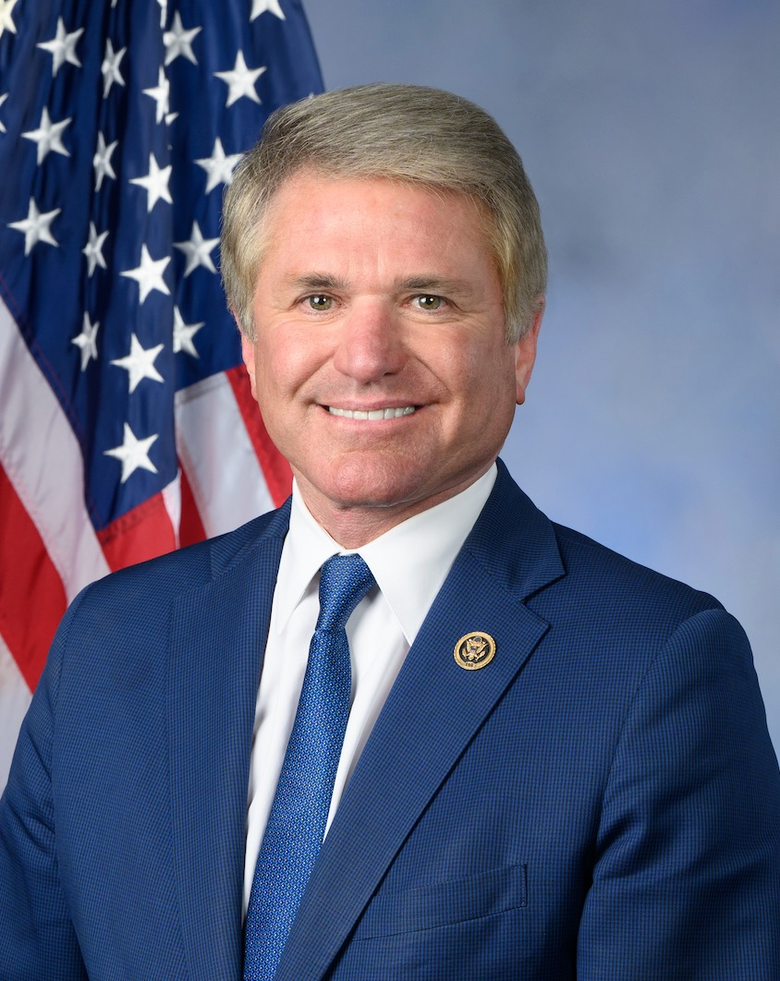
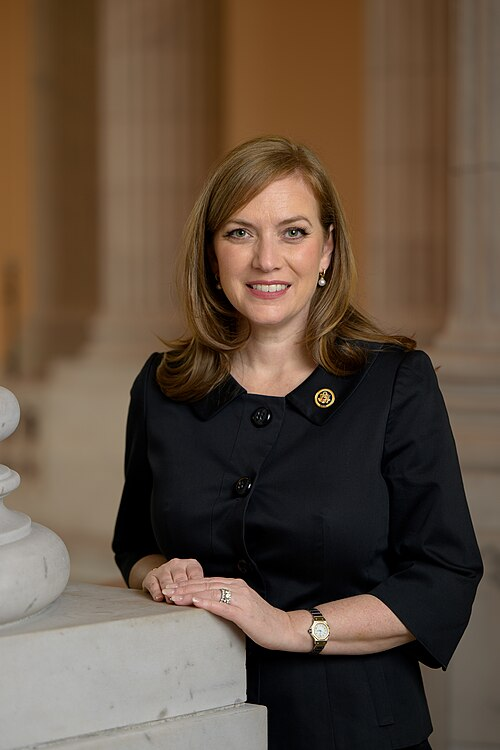
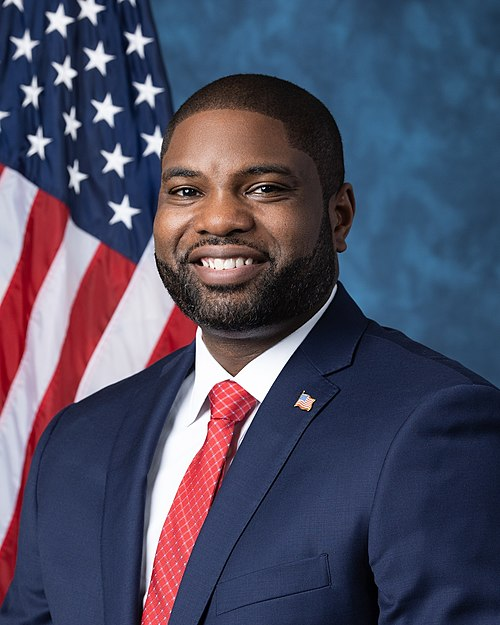
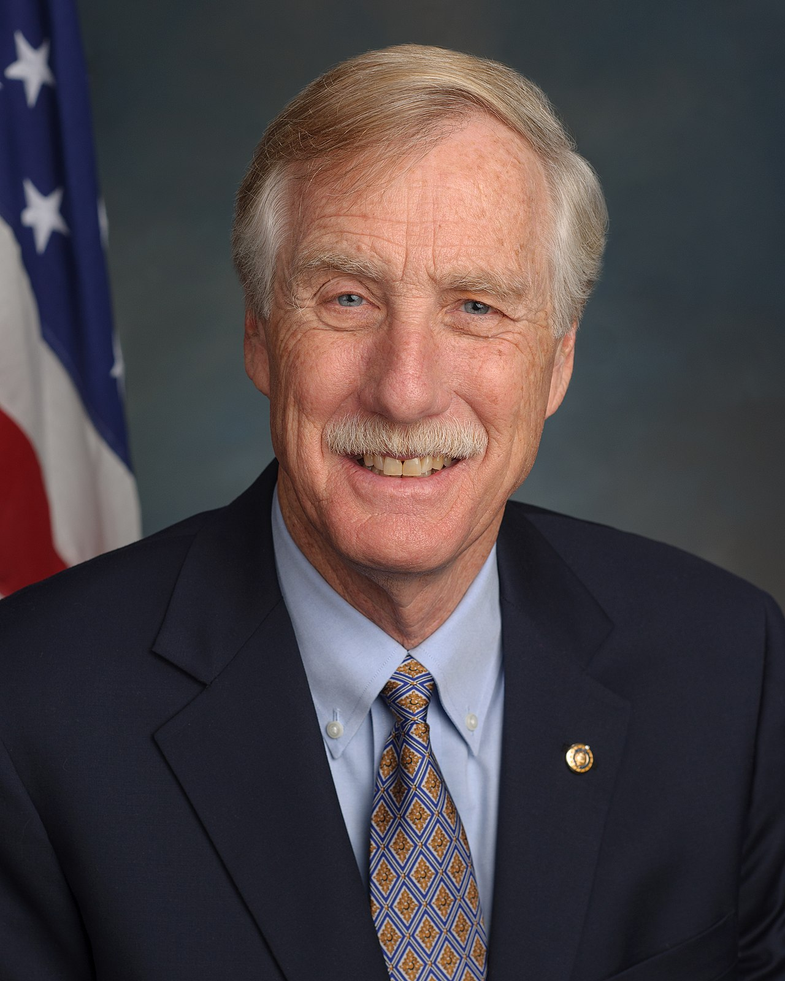
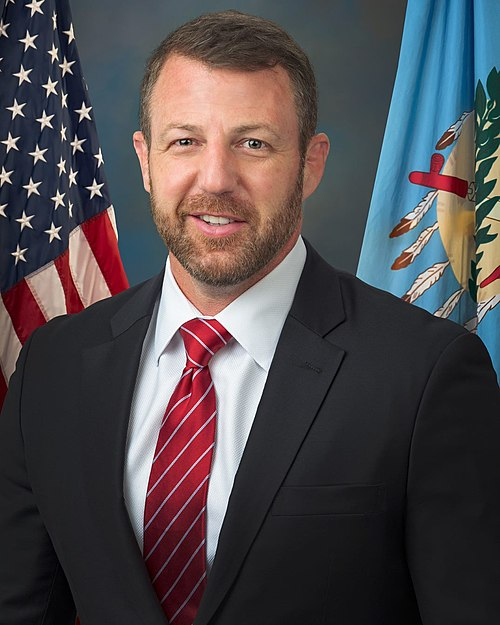
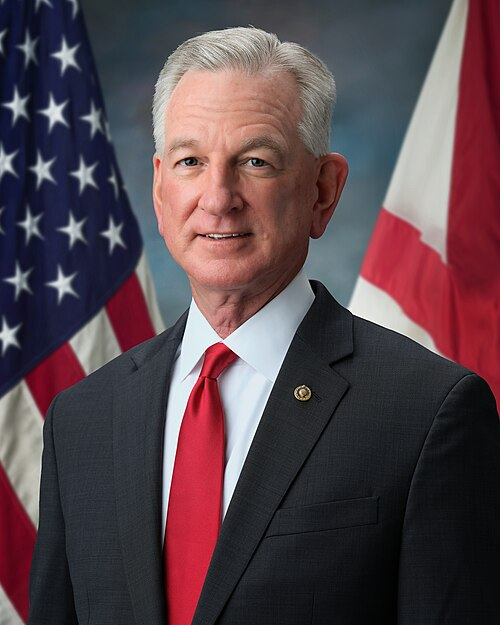
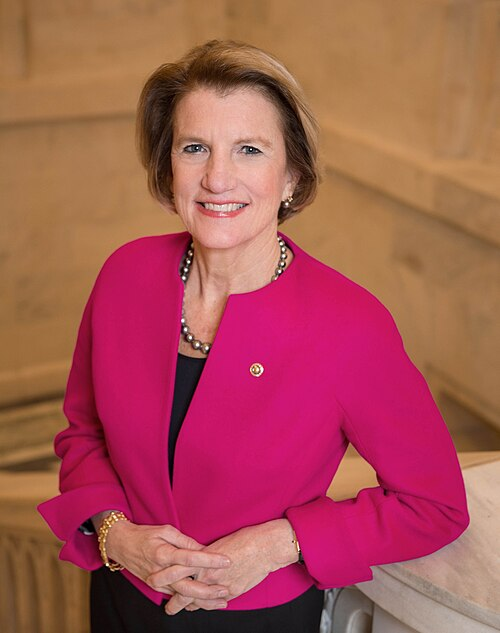
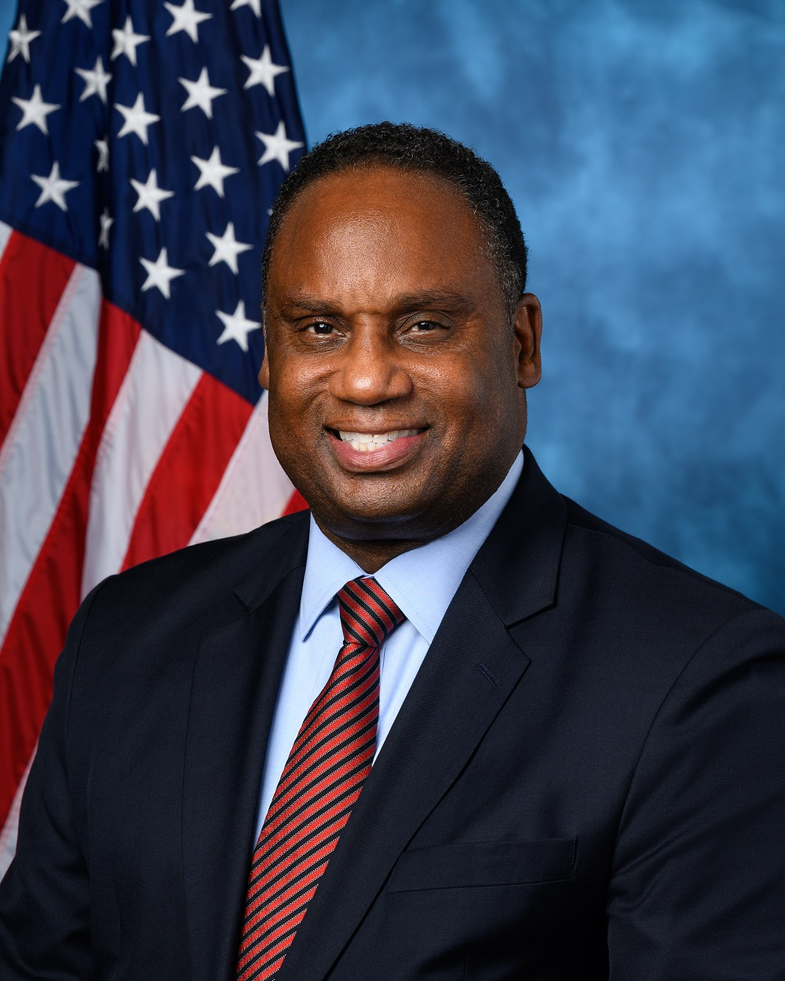
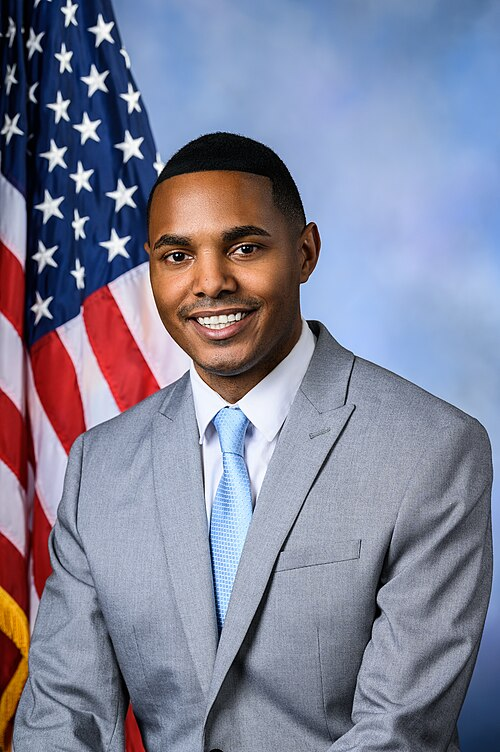
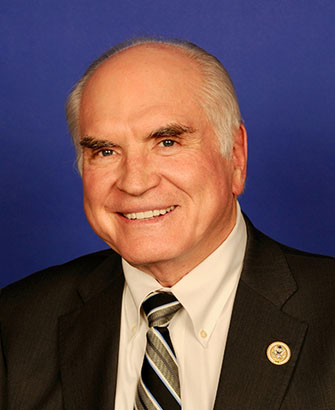
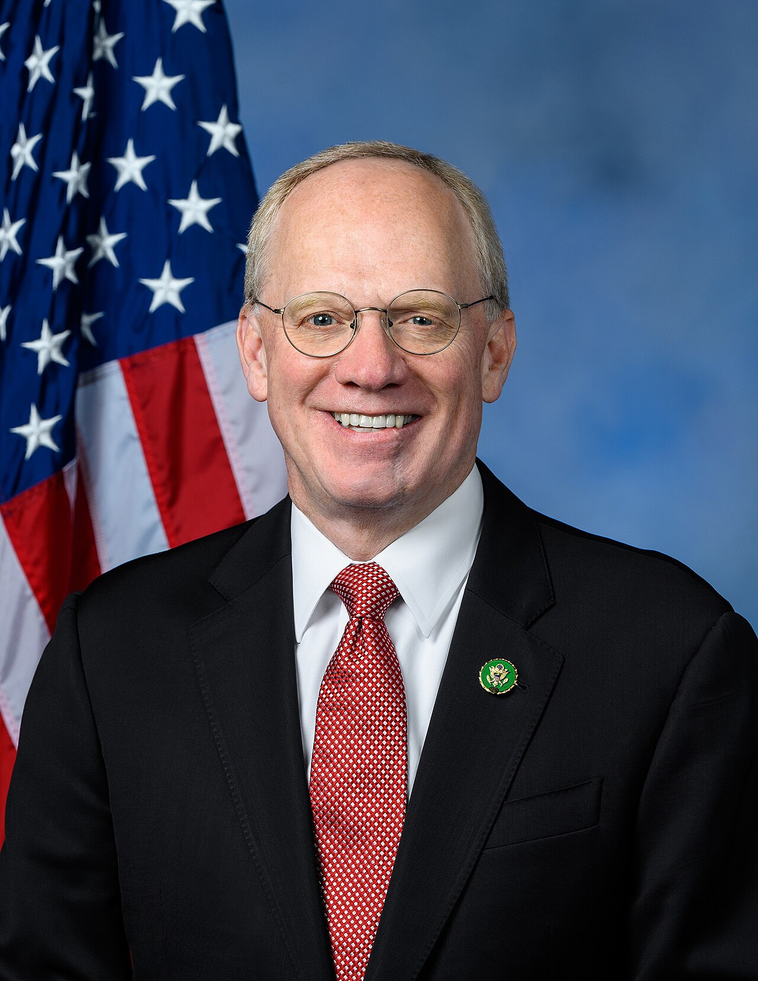
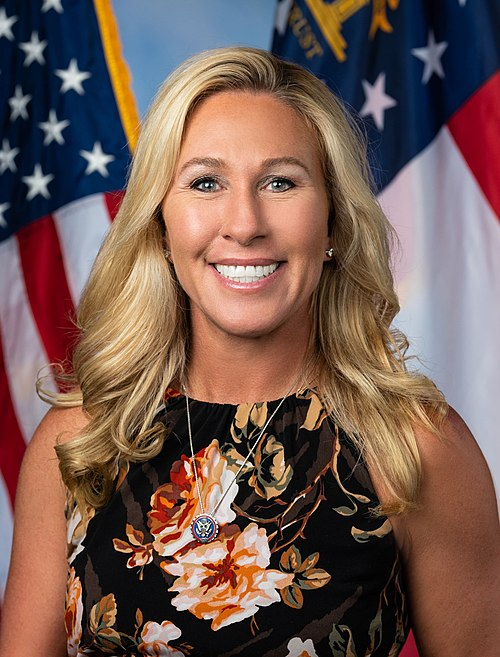
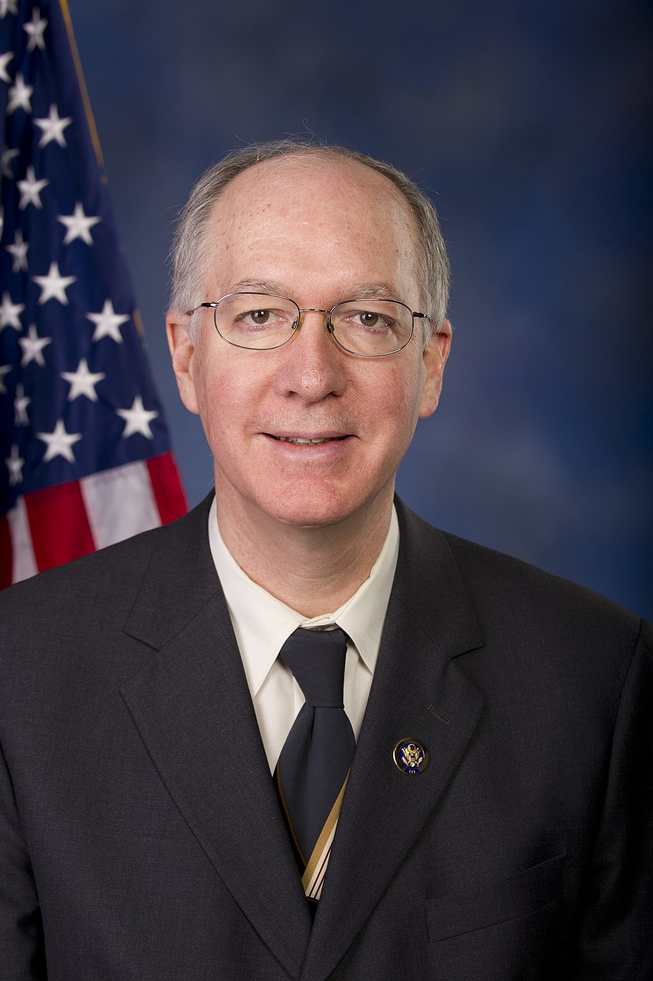
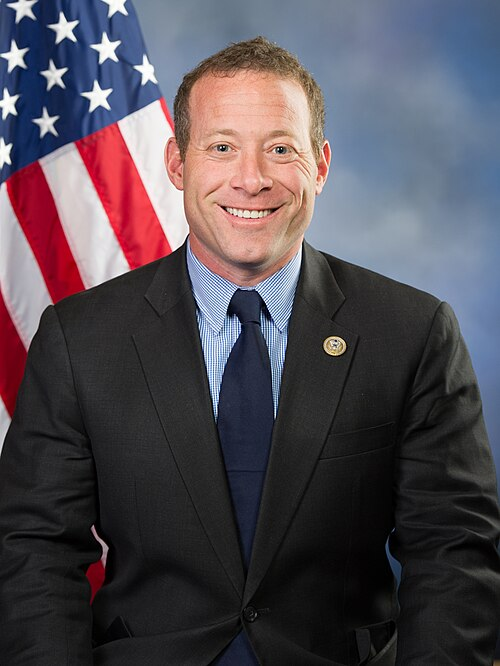
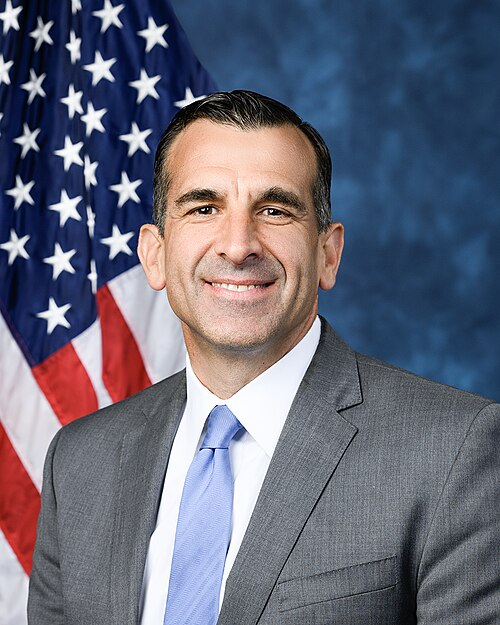
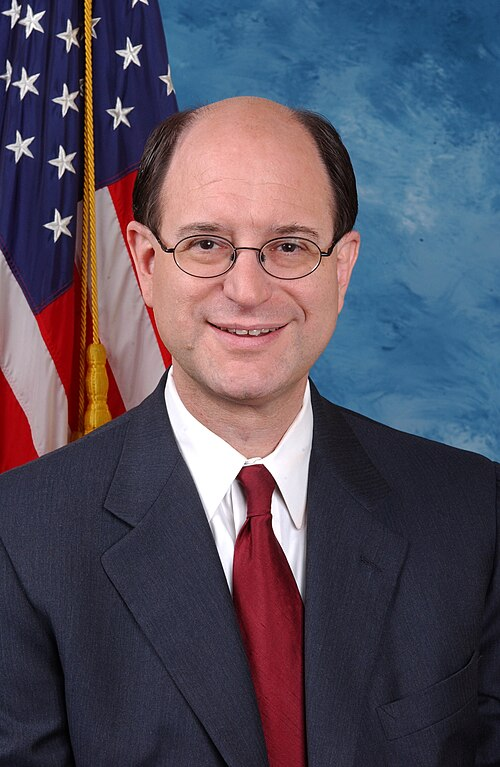
6 bill sponsors
Actions
2 actions
| Date | Action |
|---|---|
| Aug. 20, 2026 | Introduced in House |
| Aug. 20, 2026 | Referred to the Committee on Financial Services, and in addition to the Committees on Agriculture, and Energy and Commerce, for a period to be subsequently determined by the Speaker, in each case for consideration of such provisions as fall within the jurisdiction of the committee concerned. |
Corporate Lobbying
0 companies lobbying
None found.
* Note that there can be significant delays in lobbying disclosures, and our data may be incomplete.