H.R. 10060: Presidential Tax Accountability and Audit Integrity Act
This bill would change how the IRS can handle certain tax agreements, waivers, releases, and similar documents involving the President and people connected to the President.
What it would prohibit
The bill would add a new rule to the tax code saying the Treasury Secretary and IRS could not enter into, approve, or give effect to any “covered instrument” that affects a federal tax matter involving:
- the President,
- certain family members of the President, and
- some related people or businesses connected to the President or those family members.
In simple terms, it would block the IRS from using special agreements or orders to resolve or limit tax claims involving the President or closely related persons while the President is in office.
What counts as a covered instrument
The bill defines “covered instrument” broadly. It would include terms in an agreement, order, waiver, release, addendum, instruction, or similar document if the document is meant to affect a federal tax issue involving the President or certain related persons, and it was made while the President is serving in office.
Who is treated as related
The bill uses existing tax-law relationship rules to define when a person or business is related to the President or a family member. This can include people whose relationship would normally trigger tax-related related-party rules, as well as businesses under common control.
Public reporting
The bill would require the Treasury Secretary to report to Congress and make public information about any covered instrument. These reports would have to identify the taxpayers involved and describe actions taken to comply with the new rule. The first report would be due within 7 days, and then every 30 days after that, until the covered instrument is rescinded or until a set period after the President leaves office.
Disclosure of tax information
Because the reporting requirement would involve taxpayer information, the bill also creates a specific exception allowing the IRS to disclose return information to the public to the extent needed to carry out the reporting rule.
Effect on earlier agreements
The bill would apply not only going forward, but also to covered instruments entered into on or after January 20, 2025, even if they were made before the bill becomes law. For those earlier agreements, the law would also extend the time the IRS has to assess tax or bring certain collection cases, so that deadlines would not expire before the later of the normal deadline or three years after the President leaves office.
Overall impact
In practical terms, the bill is aimed at preventing special tax settlements or release agreements involving the President and related persons during a presidential term, while also requiring public disclosure of any such arrangements and preserving the government’s ability to pursue related tax claims.
Relevant Companies
None found
This is an AI-generated summary of the bill text. There may be mistakes.
Sponsors
19 bill sponsors
-
TrackRichard E. Neal
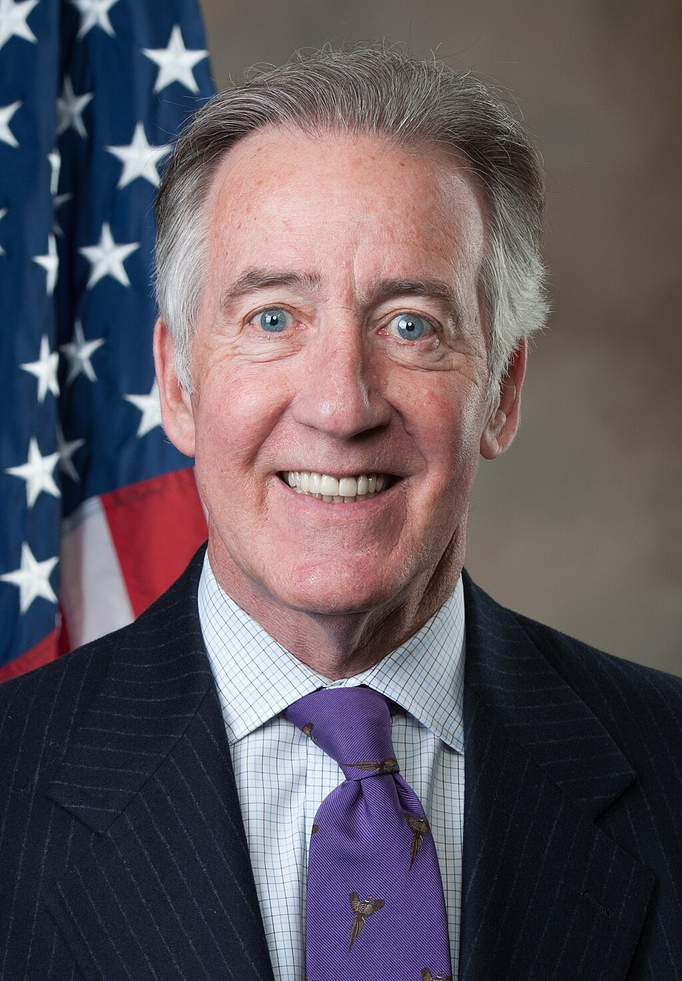
Sponsor
-
TrackDonald S. Beyer, Jr.
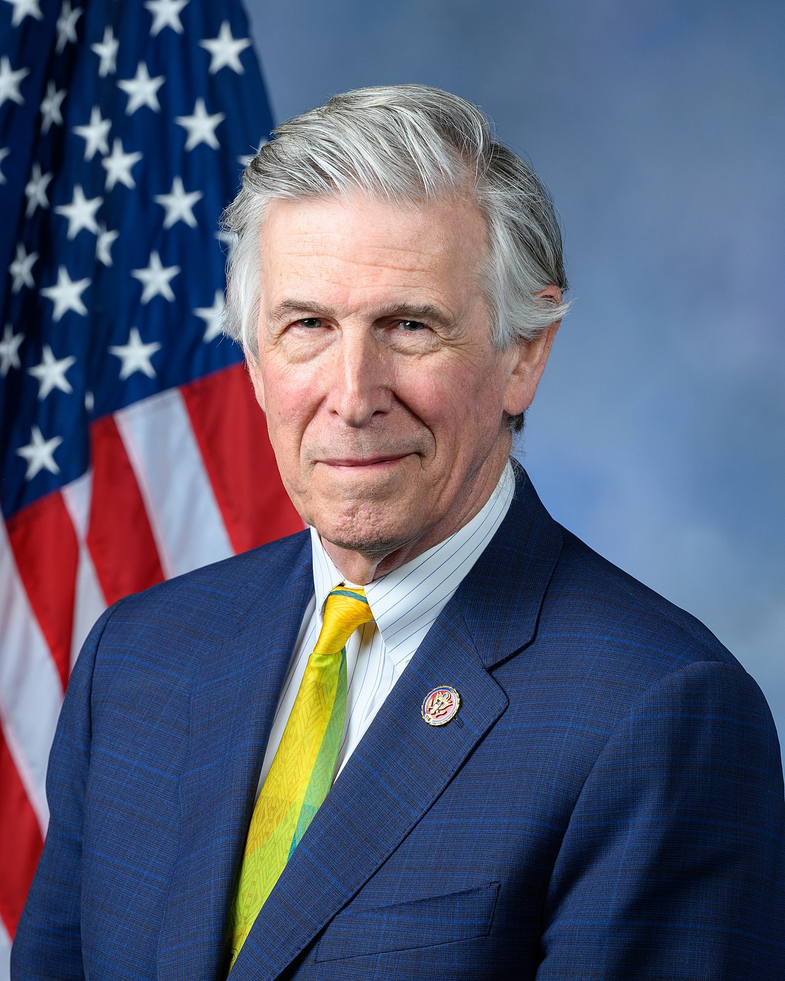
Co-Sponsor
-
TrackBrendan F. Boyle
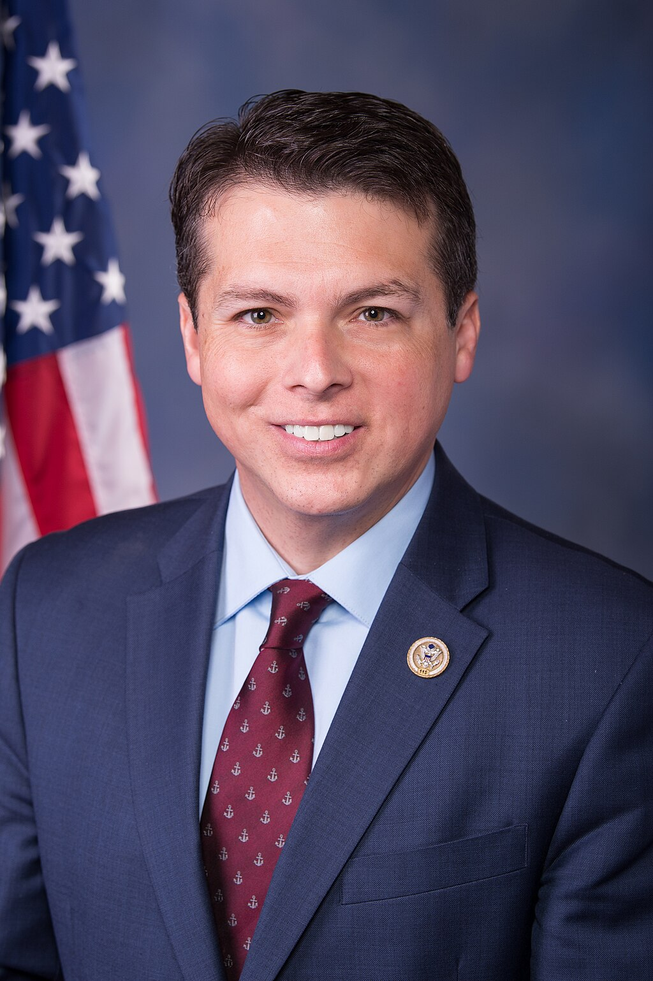
Co-Sponsor
-
TrackJudy Chu

Co-Sponsor
-
TrackDanny K. Davis
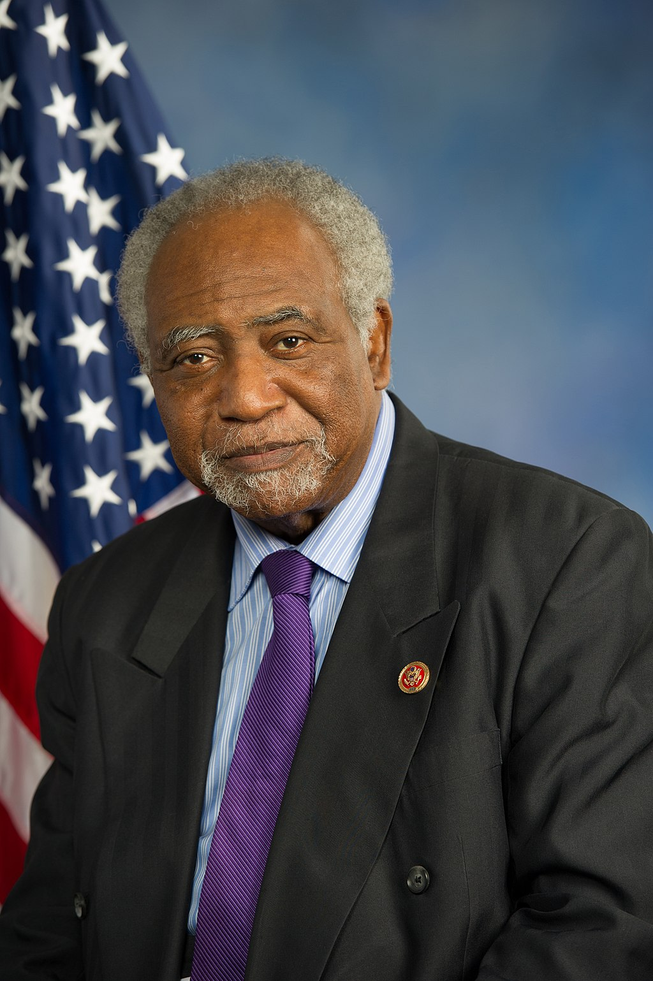
Co-Sponsor
-
TrackSuzan K. DelBene

Co-Sponsor
-
TrackLloyd Doggett

Co-Sponsor
-
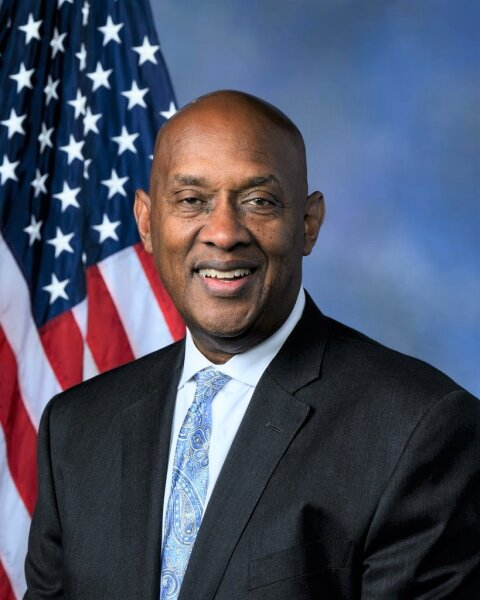
TrackDwight Evans
Co-Sponsor
-
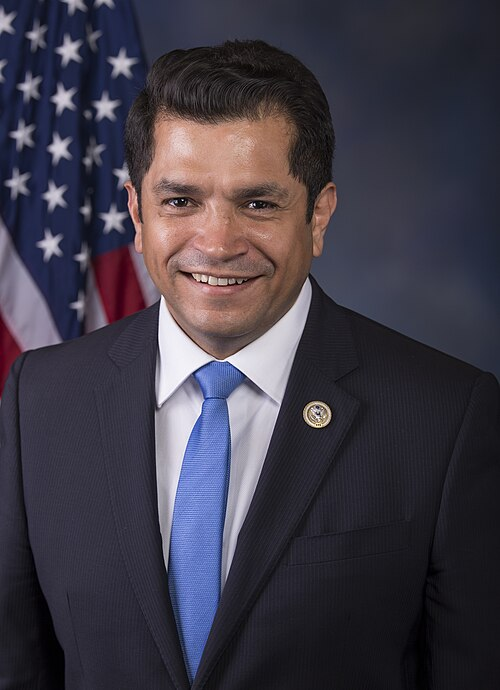
TrackJimmy Gomez
Co-Sponsor
-
TrackSteven Horsford

Co-Sponsor
-
TrackJohn B. Larson

Co-Sponsor
-
TrackGwen Moore

Co-Sponsor
-
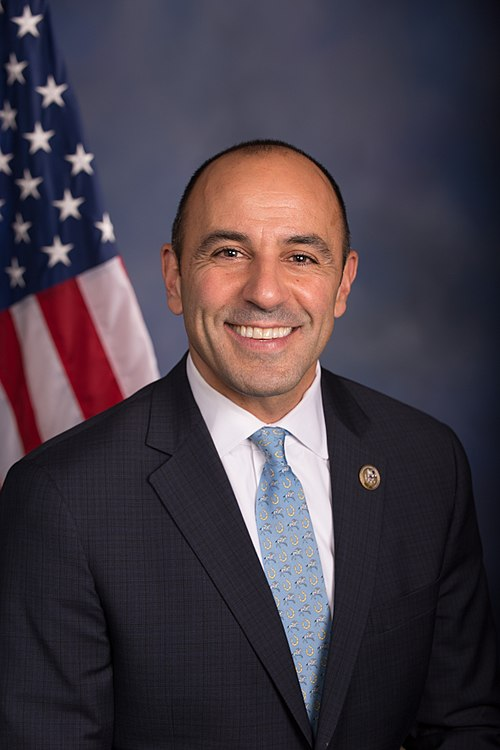
TrackJimmy Panetta
Co-Sponsor
-
TrackStacey E. Plaskett

Co-Sponsor
-
TrackBradley Scott Schneider

Co-Sponsor
-
TrackTerri A. Sewell

Co-Sponsor
-
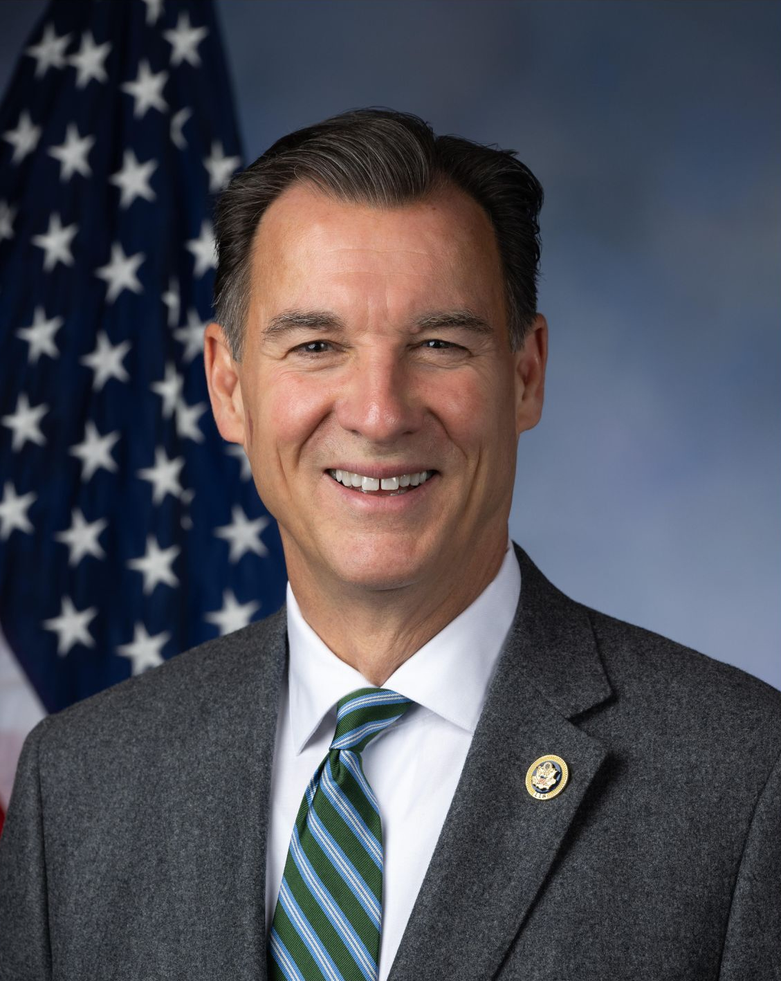
TrackThomas R. Suozzi
Co-Sponsor
-
TrackLinda T. Sánchez

Co-Sponsor
-
TrackMike Thompson
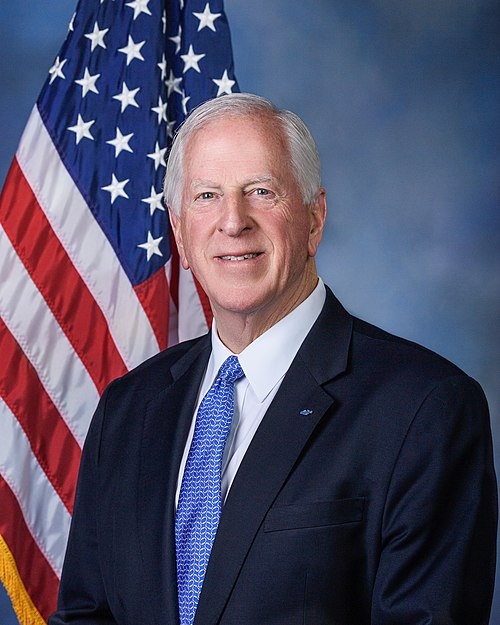
Co-Sponsor
Actions
2 actions
| Date | Action |
|---|---|
| Aug. 06, 2026 | Introduced in House |
| Aug. 06, 2026 | Referred to the House Committee on Ways and Means. |
Corporate Lobbying
0 companies lobbying
None found.
* Note that there can be significant delays in lobbying disclosures, and our data may be incomplete.
Potentially Relevant Congressional Stock Trades
No relevant congressional stock trades found.