
We have received text from S. 4640: 9–8–8 Connect Act. This bill was received on 2026-05-21, and currently has 5 cosponsors.
Here is a short summary of the bill:
This bill, known as the 9–8–8 Connect Act, proposes several key changes aimed at improving suicide prevention and crisis intervention services in the United States. Below are the main points of the bill:
Grants for Crisis Centers
The bill establishes a system for awarding grants to eligible crisis centers to provide follow-up services to individuals who have received suicide prevention and crisis intervention support. Here are the specific provisions:
- Grant Availability: The Secretary of Health will award grants to eligible crisis centers that are part of a coordinated network.
- Eligibility: Only crisis centers that are members of this network can apply for the grants.
- Selection Criteria: Recipients will be chosen based on their needs, capacity, and any service gaps.
- Use of Funds: Grants must be used to provide follow-up services to individuals who contact the 9–8–8 Suicide and Crisis Lifeline.
- Follow-up Services: These services may include well-being check-ins, outreach to encourage service engagement, support collaboration with families, and referrals to appropriate care.
- Informed Consent: Crisis centers must obtain the informed consent of individuals before providing follow-up services, and they must clearly explain the scope, purpose, and privacy assurances of these services.
- Privacy Protections: The bill includes measures to protect the privacy of individuals receiving services, preventing the sharing of personal information without consent.
- Funding: The bill authorizes $30 million for fiscal year 2026 to support these initiatives, available until fully expended.
Improvements to the 9–8–8 System
The bill also seeks to enhance the accessibility and functionality of the 9–8–8 crisis hotline. Key measures include:
- Transmission of Calls and Texts: The Federal Communications Commission (FCC) is required to create regulations mandating that all commercial mobile service providers transmit any calls or texts sent to 9–8–8, including those from non-service-initialized handsets.
- Implementation Timeline: Mobile service providers must comply with these regulations within one year of their enactment.
- Multi-Line Systems: Amendments to existing regulations will allow the direct dialing of 9–8–8 on multi-line telephone systems, similar to how 9–1–1 calls are handled.
The amendments regarding multi-line systems will apply two years after enactment, with exceptions for systems that cannot be easily configured for this purpose.
Conclusion
This bill aims to improve the support available for individuals experiencing mental health crises by enhancing the systems for both crisis intervention and follow-up care. It also seeks to ensure that access to the 9–8–8 hotline is more robust and universally accessible across mobile communications.
Relevant Companies
- TMO : Thermo Fisher Scientific could be indirectly impacted as a provider of healthcare solutions and services, relevant to mental health and crisis intervention resources.
- CAH : Cardinal Health might also see impacts as it supplies healthcare services and could be involved in distributing mental health support resources.
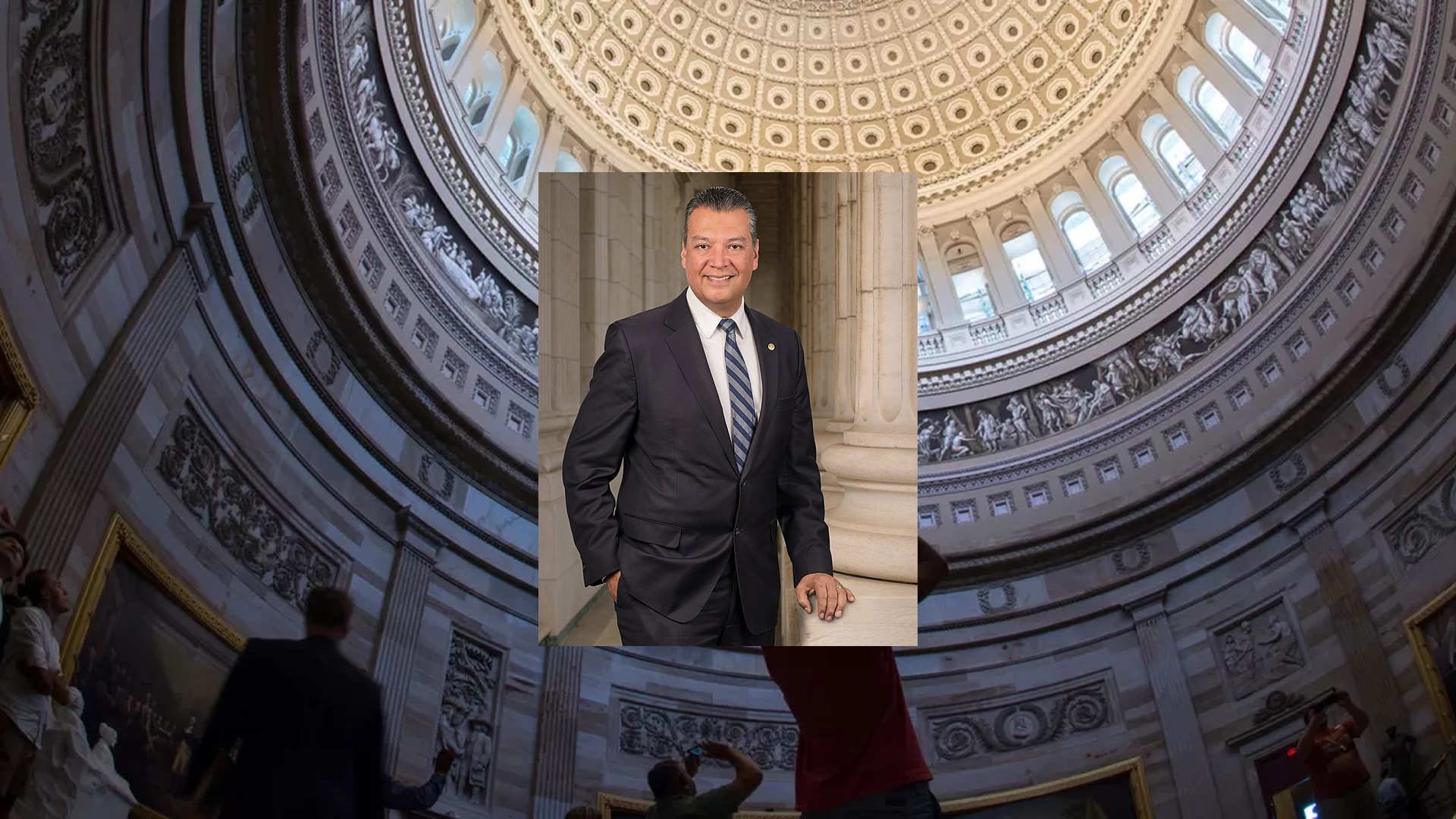
Senator Alex Padilla Bill Proposals
Here are some bills which have recently been proposed by Senator Alex Padilla:
- S.4640: 9–8–8 Connect Act
- S.4417: Pechanga Band of Indians Water Rights Settlement Technical Amendments Act
- S.4369: Absentee and Mail Voter Protection Act
- S.4368: Agua Caliente Band of Cahuilla Indians Water Rights Settlement Act
- S.4271: Support our Firefighters Act
- S.4103: Save Our Sequoias Act
You can track bills proposed by Senator Alex Padilla on Quiver Quantitative's politician page for Padilla.
Senator Alex Padilla Net Worth
Quiver Quantitative estimates that Senator Alex Padilla is worth $85.8K, as of June 9th, 2026. This is the 463rd highest net worth in Congress, per our live estimates.
Padilla has approximately $12.8K invested in publicly traded assets which Quiver is able to track live.
You can track Senator Alex Padilla's net worth on Quiver Quantitative's politician page for Padilla.
2028 California US Senate Election
There has been approximately $24,321,671 of spending in California US Senate elections over the last two years, per our estimates.
Approximately $696,979 of this has been from outside spending by PACs and Super PACs. Some of the groups who are spending money in this race include:
- STANDING STRONG PAC ($345,000)
- REFORM LEADERS PAC ($330,746)
- PLANNED PARENTHOOD AFFILIATES OF CALIFORNIA VOTES PAC ($5,552)
- SAN FRANCISCO DEMOCRATIC COUNTY CENTRAL COMMITTEE ($3,880)
- DEMOCRATIC CLUB OF THE CONEJO VALLEY - FEDERAL ($1,865)
You can track this election on our matchup page for the 2028 California US Senate election.
This article is not financial advice. See Quiver Quantitative's disclaimers for more information.